
EPFO to NPS-Lite: How postmen are helping Indians access pensions, NPS-Lite, financial services
India Post is rapidly evolving beyond traditional mail delivery, emerging as a key facilitator of pension, retirement, and financial services. From helping EPFO pensioners submit Life Certificates at home to spreading awareness about NPS-Lite withdrawal benefits, postmen are playing an increasingly important role in India's financial inclusion journey.
- Jun 6, 2026,
- Updated Jun 6, 2026 7:25 AM IST
India's postal network is increasingly becoming a critical link between citizens and financial services. From helping pensioners submit Life Certificates from their homes to supporting retirement-savings initiatives such as NPS-Lite, postmen are playing a growing role in improving access to pensions and personal finance services, particularly for senior citizens and people living in remote areas.
EPFO's Life Certificate Service
The Employees' Provident Fund Organisation (EPFO) has introduced a doorstep facility that allows Employees' Pension Scheme (EPS-95) beneficiaries to submit their Digital Life Certificates without visiting a bank branch or EPFO office.
The initiative is aimed at pensioners who may be elderly, bedridden, physically challenged, or unable to use digital platforms independently. Such pensioners can call 033-22029000 to request assistance.
Following the request, a postal employee equipped with a biometric device visits the pensioner's residence and completes the verification process through fingerprint authentication or facial recognition technology. Once verified, the Life Certificate is submitted digitally, ensuring continuity of pension payments.
Importantly, the service is being provided free of cost.
Why life certificates are important
Pensioners must submit a Life Certificate within 12 months of their previous submission date to continue receiving pension payments. Failure to update the certificate on time can result in pension payments being temporarily halted.
While pensioners can also use digital platforms such as the UMANG App and Aadhaar Face RD App, many senior citizens still face challenges with technology or mobility. The postal department's doorstep service addresses this gap by bringing the process directly to beneficiaries.
The Life Certificate initiative is part of a broader transformation in the role of India Post. With one of the world's largest postal networks, the Department of Posts is increasingly serving as a last-mile financial services provider, helping citizens access pensions, savings products, insurance, banking services, and government welfare schemes.
Its latest involvement in communicating changes to the National Pension System (NPS)-Lite framework further highlights this expanding role.
NPS-Lite withdrawal changes
In a recent communication sent to Chief Postmaster Generals, the Department of Posts informed field offices about enhanced withdrawal flexibility available to NPS-Lite subscribers following clarifications issued by the Pension Fund Regulatory and Development Authority (PFRDA).
The communication noted that PFRDA has clarified that subscribers whose accumulated pension wealth is ₹2 lakh or less can opt to withdraw the entire corpus as a lump sum amount.
The revised framework has been integrated by Central Recordkeeping Agency (CRA) Protean and has been communicated to postal officials, including Gramin Dak Sevaks (GDS), who often serve as the first point of contact for citizens in rural areas.
What the New NPS-Lite rules mean
According to the amended PFRDA (Exit and Withdrawals under NPS) Regulations, 2015, if the accumulated pension wealth of a subscriber is equal to or below ₹2 lakh, the subscriber can withdraw the entire amount instead of being required to purchase an annuity.
This is a significant change because annuitisation—converting retirement savings into regular pension payments—was often seen as less practical for subscribers with relatively small retirement savings.
The updated Standard Operating Procedure, effective June 1, 2026, allows eligible NPS-Lite subscribers to receive the entire pension wealth without annuitisation, subject to applicable conditions relating to government co-contributions under the Swavalamban scheme.
What is NPS-Lite?
NPS-Lite was designed as a low-cost pension scheme for workers in the unorganised sector and was supported by the government's Swavalamban co-contribution programme.
Although fresh enrolments largely ceased following the launch of the Atal Pension Yojana (APY) in 2015, the scheme remains relevant for existing subscribers, including many Gramin Dak Sevaks associated with the Department of Posts.
Postmen becoming financial facilitators
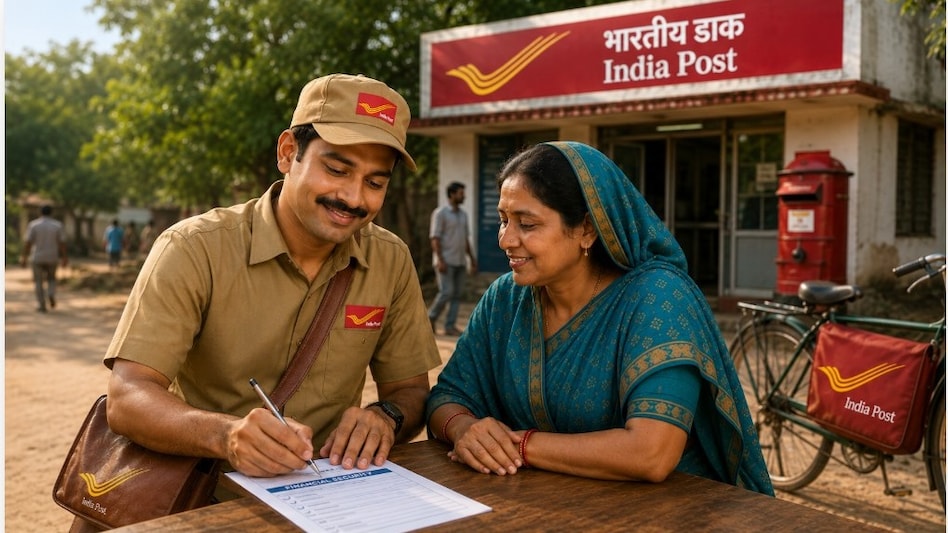
Whether it is helping an elderly pensioner submit a Life Certificate from home, facilitating digital authentication, communicating pension rule changes, or supporting NPS-Lite subscribers, postmen are increasingly serving as financial facilitators rather than merely mail carriers.
As India pushes deeper financial inclusion, the Department of Posts is leveraging its vast reach and trusted workforce to bridge the last-mile gap. From EPFO pension services to NPS-Lite awareness and retirement-related assistance, postmen are emerging as an important channel connecting citizens with essential financial services.
India's postal network is increasingly becoming a critical link between citizens and financial services. From helping pensioners submit Life Certificates from their homes to supporting retirement-savings initiatives such as NPS-Lite, postmen are playing a growing role in improving access to pensions and personal finance services, particularly for senior citizens and people living in remote areas.
EPFO's Life Certificate Service
The Employees' Provident Fund Organisation (EPFO) has introduced a doorstep facility that allows Employees' Pension Scheme (EPS-95) beneficiaries to submit their Digital Life Certificates without visiting a bank branch or EPFO office.
The initiative is aimed at pensioners who may be elderly, bedridden, physically challenged, or unable to use digital platforms independently. Such pensioners can call 033-22029000 to request assistance.
Following the request, a postal employee equipped with a biometric device visits the pensioner's residence and completes the verification process through fingerprint authentication or facial recognition technology. Once verified, the Life Certificate is submitted digitally, ensuring continuity of pension payments.
Importantly, the service is being provided free of cost.
Why life certificates are important
Pensioners must submit a Life Certificate within 12 months of their previous submission date to continue receiving pension payments. Failure to update the certificate on time can result in pension payments being temporarily halted.
While pensioners can also use digital platforms such as the UMANG App and Aadhaar Face RD App, many senior citizens still face challenges with technology or mobility. The postal department's doorstep service addresses this gap by bringing the process directly to beneficiaries.
The Life Certificate initiative is part of a broader transformation in the role of India Post. With one of the world's largest postal networks, the Department of Posts is increasingly serving as a last-mile financial services provider, helping citizens access pensions, savings products, insurance, banking services, and government welfare schemes.
Its latest involvement in communicating changes to the National Pension System (NPS)-Lite framework further highlights this expanding role.
NPS-Lite withdrawal changes
In a recent communication sent to Chief Postmaster Generals, the Department of Posts informed field offices about enhanced withdrawal flexibility available to NPS-Lite subscribers following clarifications issued by the Pension Fund Regulatory and Development Authority (PFRDA).
The communication noted that PFRDA has clarified that subscribers whose accumulated pension wealth is ₹2 lakh or less can opt to withdraw the entire corpus as a lump sum amount.
The revised framework has been integrated by Central Recordkeeping Agency (CRA) Protean and has been communicated to postal officials, including Gramin Dak Sevaks (GDS), who often serve as the first point of contact for citizens in rural areas.
What the New NPS-Lite rules mean
According to the amended PFRDA (Exit and Withdrawals under NPS) Regulations, 2015, if the accumulated pension wealth of a subscriber is equal to or below ₹2 lakh, the subscriber can withdraw the entire amount instead of being required to purchase an annuity.
This is a significant change because annuitisation—converting retirement savings into regular pension payments—was often seen as less practical for subscribers with relatively small retirement savings.
The updated Standard Operating Procedure, effective June 1, 2026, allows eligible NPS-Lite subscribers to receive the entire pension wealth without annuitisation, subject to applicable conditions relating to government co-contributions under the Swavalamban scheme.
What is NPS-Lite?
NPS-Lite was designed as a low-cost pension scheme for workers in the unorganised sector and was supported by the government's Swavalamban co-contribution programme.
Although fresh enrolments largely ceased following the launch of the Atal Pension Yojana (APY) in 2015, the scheme remains relevant for existing subscribers, including many Gramin Dak Sevaks associated with the Department of Posts.
Postmen becoming financial facilitators
Whether it is helping an elderly pensioner submit a Life Certificate from home, facilitating digital authentication, communicating pension rule changes, or supporting NPS-Lite subscribers, postmen are increasingly serving as financial facilitators rather than merely mail carriers.
As India pushes deeper financial inclusion, the Department of Posts is leveraging its vast reach and trusted workforce to bridge the last-mile gap. From EPFO pension services to NPS-Lite awareness and retirement-related assistance, postmen are emerging as an important channel connecting citizens with essential financial services.