
Retiring in a dollar world with falling rupee? Expert explains why you should worry
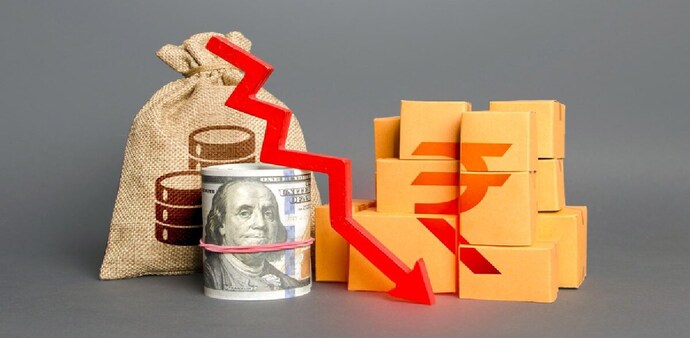
The ongoing rupee vs dollar battle is more than just a currency headline — it could quietly drain your retirement savings. As the INR weakens, planning for a secure future becomes more urgent than ever, experts suggest.
- Aug 7, 2025,
- Updated Aug 7, 2025 1:56 PM IST
A day after US President Donald Trump announced steep tariff hikes on Indian exports as retaliation for India's continued imports of Russian crude oil, the Indian rupee opened stronger, rising 3 paise to 87.69 per U.S. dollar in early trade. However, the overall pressure on the rupee remains, especially after it hit an all-time low of 87.88 on August 5.
While currency fluctuations often sound like macroeconomic issues best left to policymakers and traders, they have direct and lasting implications for the common citizen — especially for retirement planning.
According to financial educator Akshat Shrivastava, the steady depreciation of the Indian rupee over the last decade is a ticking time bomb for those not preparing their retirement portfolios accordingly. “If you don’t understand how INR fall impacts your retirement, you’re in for a major surprise when your earning days are over,” he warned.
Over the past decade, the rupee has weakened significantly against the U.S. dollar:
10 years ago: Rs 60 per USD
5 years ago: Rs 75 per USD
Today: Rs 87.68 per USD
This reflects an average annual depreciation of about 3.9%. The rupee's consistent decline means that the purchasing power of your savings — especially for goods and services linked to global prices — is shrinking.
The Rupee has shown a steady weakening trend, with the exchange rate reaching highs of around 87.89 INR per USD in early August 2025. This translates to a −4.24% fall in the INR/USD rate over the last year.
How does this impact your retirement?
Earnings: If your income isn't growing at least 5% annually (post-tax), you're effectively losing money. Inflation and currency depreciation silently erode your savings.
Returns: Suppose your portfolio earns a 12% return annually. After adjusting for taxes and currency depreciation, the real return could be closer to 8% — or even lower if the rupee weakens further.
Global exposure: Many Indians argue that the rupee could strengthen. But global currency strength depends on demand. India's rupee-trade deal with Russia was scrapped due to insufficient rupee demand. If countries receiving INR can’t use it effectively, its value remains under pressure.
What investors should note: Shrivastava suggests that individuals take a proactive stance in their retirement planning by hedging against INR depreciation:
Invest in Hard Assets: Gold, silver, and Bitcoin are historically seen as stores of value.
Diversify Globally: Foreign stocks and ETFs offer exposure to stronger currencies and global markets.
Consider Real Estate: Tangible assets often provide protection against inflation and currency erosion.
Final takeaway: While political tensions and tariffs may dominate headlines, the real danger lies in the slow, silent erosion of your money’s value. Whether or not the rupee strengthens in the future, building a globally diversified and inflation-adjusted retirement portfolio is no longer optional — it’s a necessity.
A day after US President Donald Trump announced steep tariff hikes on Indian exports as retaliation for India's continued imports of Russian crude oil, the Indian rupee opened stronger, rising 3 paise to 87.69 per U.S. dollar in early trade. However, the overall pressure on the rupee remains, especially after it hit an all-time low of 87.88 on August 5.
While currency fluctuations often sound like macroeconomic issues best left to policymakers and traders, they have direct and lasting implications for the common citizen — especially for retirement planning.
According to financial educator Akshat Shrivastava, the steady depreciation of the Indian rupee over the last decade is a ticking time bomb for those not preparing their retirement portfolios accordingly. “If you don’t understand how INR fall impacts your retirement, you’re in for a major surprise when your earning days are over,” he warned.
Over the past decade, the rupee has weakened significantly against the U.S. dollar:
10 years ago: Rs 60 per USD
5 years ago: Rs 75 per USD
Today: Rs 87.68 per USD
This reflects an average annual depreciation of about 3.9%. The rupee's consistent decline means that the purchasing power of your savings — especially for goods and services linked to global prices — is shrinking.
The Rupee has shown a steady weakening trend, with the exchange rate reaching highs of around 87.89 INR per USD in early August 2025. This translates to a −4.24% fall in the INR/USD rate over the last year.
How does this impact your retirement?
Earnings: If your income isn't growing at least 5% annually (post-tax), you're effectively losing money. Inflation and currency depreciation silently erode your savings.
Returns: Suppose your portfolio earns a 12% return annually. After adjusting for taxes and currency depreciation, the real return could be closer to 8% — or even lower if the rupee weakens further.
Global exposure: Many Indians argue that the rupee could strengthen. But global currency strength depends on demand. India's rupee-trade deal with Russia was scrapped due to insufficient rupee demand. If countries receiving INR can’t use it effectively, its value remains under pressure.
What investors should note: Shrivastava suggests that individuals take a proactive stance in their retirement planning by hedging against INR depreciation:
Invest in Hard Assets: Gold, silver, and Bitcoin are historically seen as stores of value.
Diversify Globally: Foreign stocks and ETFs offer exposure to stronger currencies and global markets.
Consider Real Estate: Tangible assets often provide protection against inflation and currency erosion.
Final takeaway: While political tensions and tariffs may dominate headlines, the real danger lies in the slow, silent erosion of your money’s value. Whether or not the rupee strengthens in the future, building a globally diversified and inflation-adjusted retirement portfolio is no longer optional — it’s a necessity.