
UPI accounts for nearly half of global real-time payments: How India became the world leader
UPI now accounts for nearly 49% of global real-time payment transaction volume, marking a decade of rapid growth that has transformed how India pays and does business. From 1.78 crore transactions in FY2016-17 to over 24,162 crore in FY2025-26, UPI’s scale has turned India’s digital payments infrastructure into a global benchmark.
- Aug 26, 2026,
- Updated Aug 26, 2026 4:10 AM IST
The Unified Payments Interface (UPI) has evolved from a domestic digital payments initiative into a global benchmark, accounting for nearly 49% of the world’s real-time payment transaction volume in 2025. As UPI completes 10 years, its scale, interoperability and growing international footprint have cemented India’s position as a leader in instant digital payments.
Launched on August 25, 2016 by the National Payments Corporation of India (NPCI) under the regulatory oversight of the Reserve Bank of India (RBI), UPI has become the backbone of India’s digital payments ecosystem. Its interoperable, real-time architecture enables both person-to-person (P2P) and person-to-merchant (P2M) transactions through a single platform.
The scale of adoption over the past decade has been striking. Annual UPI transaction volume increased from 1.78 crore in FY2016-17 to more than 24,162 crore in FY2025-26, representing an almost 13,000-fold increase. Transaction value rose from ₹0.07 lakh crore to around ₹314 lakh crore over the same period.
UPI processed an average of 66 crore transactions every day in 2026. In July, monthly transaction volume reached a record 2,366 crore, while transaction value touched ₹29.88 lakh crore. UPI accounted for 84% of India’s digital payments in FY2025-26.
How UPI changed Indian commerce
According to Akash Sinha, Co-founder & CEO, Cashfree Payments, the significance of UPI goes beyond transaction volumes and payment values.
“The last 10 years of UPI have been remarkable. An almost 13,000-fold surge in transaction volume and a nearly 4,000-fold increase in transaction value over the decade. But the more interesting part of that story is what it unlocked for Indian commerce.
“Ten years ago, starting an online business in India meant working around a real payments gap. Digital payment options were limited, so a typical D2C brand, for example, ran heavily on cash on delivery, with high return rates and working-capital strain built into every order. Similar problems were faced by other industries as well. Payments either limited a business’s market or created extra costs for them. This alone kept many potential founders from starting an online business at all.
MUST READ: 10 years of UPI: Transaction value surges 4,000-fold to reach ₹314 lakh crore
“Digital payment is now second nature for Indian consumers, and cash-on-delivery dependence for online-first merchants has come down sharply as a result. The addressable market for a startup has expanded because of the growing adoption of UPI. And, more importantly, this adoption has given founders the confidence to start. That is what a decade of UPI has really done. It lowered the barrier to starting a business in this country as much as it digitised the transactions that already existed.
“With UPI's international expansion and growing adoption of products like UPI Lite and credit on UPI, that effect should compound further with more categories of spend, and a payments layer founders can increasingly build on without a second thought.”
Why UPI scaled so rapidly
A major factor behind UPI’s expansion has been its broad institutional participation. The number of banks live on the platform rose from 21 at launch to 741 as of July 2026. The ecosystem includes public sector banks, private banks, small finance banks, payment banks and cooperative banks.
MUST READ: 741 banks on UPI: How India built the world’s biggest real-time payments ecosystem
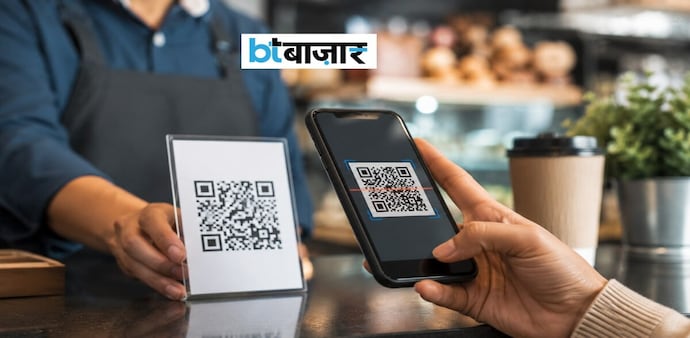
The platform’s everyday utility is also reflected in the size of transactions. P2M payments account for 63% of transaction volume, while 86% of P2M transactions were below ₹500 in FY2026. This highlights how UPI has become embedded in routine retail payments, from small purchases to larger transfers.
UPI’s global footprint
UPI’s international expansion is another marker of its growing influence. The platform is currently operational in 11 countries, including the UAE, France, Singapore, Sri Lanka, Nepal, Mauritius, Qatar, Cambodia, Greece and the Maldives.
The government release said the International Monetary Fund has recognised UPI as the world’s largest real-time payment system by transaction volume. Its combination of interoperability, scale and accessibility has helped turn UPI from an Indian payments platform into a model of digital public infrastructure with global relevance.
ALSO READ: UPI should remain free: Expert on why MDR could push merchants and consumers back to cash
UPI’s next decade
The next phase of UPI could extend its impact beyond payments into broader financial services and commerce. Siddharth Mehta, Co-founder & COO, Kiwi, said the simplicity that drove UPI’s everyday adoption could also make financial products easier to use.
“What is interesting is that the same simplicity that made UPI a part of everyday life can now make financial products easier to use too. At Kiwi, we are building on this behaviour by bringing the benefits of a credit card access to credit, rewards, and flexibility into the UPI experience people already know and use every day.
“The first decade of UPI was about making digital payments simple and accessible. The next could be about doing the same for financial products. Credit on UPI is one step in that direction, making credit more relevant to everyday spending without adding complexity to how people pay.”
ALSO READ: Did you know India’s cash demand is strong despite the digital payment boom?
The Unified Payments Interface (UPI) has evolved from a domestic digital payments initiative into a global benchmark, accounting for nearly 49% of the world’s real-time payment transaction volume in 2025. As UPI completes 10 years, its scale, interoperability and growing international footprint have cemented India’s position as a leader in instant digital payments.
Launched on August 25, 2016 by the National Payments Corporation of India (NPCI) under the regulatory oversight of the Reserve Bank of India (RBI), UPI has become the backbone of India’s digital payments ecosystem. Its interoperable, real-time architecture enables both person-to-person (P2P) and person-to-merchant (P2M) transactions through a single platform.
The scale of adoption over the past decade has been striking. Annual UPI transaction volume increased from 1.78 crore in FY2016-17 to more than 24,162 crore in FY2025-26, representing an almost 13,000-fold increase. Transaction value rose from ₹0.07 lakh crore to around ₹314 lakh crore over the same period.
UPI processed an average of 66 crore transactions every day in 2026. In July, monthly transaction volume reached a record 2,366 crore, while transaction value touched ₹29.88 lakh crore. UPI accounted for 84% of India’s digital payments in FY2025-26.
How UPI changed Indian commerce
According to Akash Sinha, Co-founder & CEO, Cashfree Payments, the significance of UPI goes beyond transaction volumes and payment values.
“The last 10 years of UPI have been remarkable. An almost 13,000-fold surge in transaction volume and a nearly 4,000-fold increase in transaction value over the decade. But the more interesting part of that story is what it unlocked for Indian commerce.
“Ten years ago, starting an online business in India meant working around a real payments gap. Digital payment options were limited, so a typical D2C brand, for example, ran heavily on cash on delivery, with high return rates and working-capital strain built into every order. Similar problems were faced by other industries as well. Payments either limited a business’s market or created extra costs for them. This alone kept many potential founders from starting an online business at all.
MUST READ: 10 years of UPI: Transaction value surges 4,000-fold to reach ₹314 lakh crore
“Digital payment is now second nature for Indian consumers, and cash-on-delivery dependence for online-first merchants has come down sharply as a result. The addressable market for a startup has expanded because of the growing adoption of UPI. And, more importantly, this adoption has given founders the confidence to start. That is what a decade of UPI has really done. It lowered the barrier to starting a business in this country as much as it digitised the transactions that already existed.
“With UPI's international expansion and growing adoption of products like UPI Lite and credit on UPI, that effect should compound further with more categories of spend, and a payments layer founders can increasingly build on without a second thought.”
Why UPI scaled so rapidly
A major factor behind UPI’s expansion has been its broad institutional participation. The number of banks live on the platform rose from 21 at launch to 741 as of July 2026. The ecosystem includes public sector banks, private banks, small finance banks, payment banks and cooperative banks.
MUST READ: 741 banks on UPI: How India built the world’s biggest real-time payments ecosystem
The platform’s everyday utility is also reflected in the size of transactions. P2M payments account for 63% of transaction volume, while 86% of P2M transactions were below ₹500 in FY2026. This highlights how UPI has become embedded in routine retail payments, from small purchases to larger transfers.
UPI’s global footprint
UPI’s international expansion is another marker of its growing influence. The platform is currently operational in 11 countries, including the UAE, France, Singapore, Sri Lanka, Nepal, Mauritius, Qatar, Cambodia, Greece and the Maldives.
The government release said the International Monetary Fund has recognised UPI as the world’s largest real-time payment system by transaction volume. Its combination of interoperability, scale and accessibility has helped turn UPI from an Indian payments platform into a model of digital public infrastructure with global relevance.
ALSO READ: UPI should remain free: Expert on why MDR could push merchants and consumers back to cash
UPI’s next decade
The next phase of UPI could extend its impact beyond payments into broader financial services and commerce. Siddharth Mehta, Co-founder & COO, Kiwi, said the simplicity that drove UPI’s everyday adoption could also make financial products easier to use.
“What is interesting is that the same simplicity that made UPI a part of everyday life can now make financial products easier to use too. At Kiwi, we are building on this behaviour by bringing the benefits of a credit card access to credit, rewards, and flexibility into the UPI experience people already know and use every day.
“The first decade of UPI was about making digital payments simple and accessible. The next could be about doing the same for financial products. Credit on UPI is one step in that direction, making credit more relevant to everyday spending without adding complexity to how people pay.”
ALSO READ: Did you know India’s cash demand is strong despite the digital payment boom?