
Hidden tax hack: See how seniors can pocket a Rs 50,000 tax break without having a health cover
Skyrocketing healthcare costs often leave senior citizens without health insurance, but tax laws throw them a lifeline. Even if they can’t secure a policy, seniors can still claim deductions under Section 80D for medical expenses up to Rs 50,000 a year.
- Jul 12, 2025,
- Updated Jul 12, 2025 4:37 PM IST

- 1/8
Senior citizens struggling to afford health insurance needn’t miss out on tax savings. Under Section 80D, those over 60 can claim up to ₹50,000 yearly for medical costs—even without any health policy. So, if doctor visits or hospital bills are eating into your savings, remember the taxman offers relief. But act fast—claim it before the ITR deadline under the old regime!

- 2/8
With healthcare inflation running at a scorching 14%, many seniors can’t buy expensive health insurance. Thankfully, tax laws come to the rescue. Section 80D lets those above 60 deduct medical expenses up to Rs 50,000 annually, even if they don’t own a health policy. It’s one way the tax code cushions ageing citizens from skyrocketing hospital bills.

- 3/8
Children footing medical bills for parents over 60 shouldn’t skip checking Section 80D. Even if the parents lack insurance, the kids can claim a deduction up to Rs 50,000 for the costs they pay. It’s a smart way to ease tax burdens while caring for ageing parents. But remember, this benefit stays off-limits in the new tax regime.

- 4/8
If you’re over 60 and pay health insurance for yourself plus your elderly parents, Section 80D grants a whopping Rs 1 lakh deduction. Rs 50,000 covers your policy, and another ₹50,000 applies to your parents’ health plan. The catch? You’ll need to opt for the old tax regime—and make non-cash payments for everything except preventive health checks.

- 5/8
While preventive health check-ups (up to Rs 5,000) can be paid in cash, other health payments—like insurance premiums or hospital bills—must be done digitally to count under Section 80D. So, seniors aiming to claim medical expense deductions without a policy should steer clear of cash for major payments if they want the tax benefits to stick.

- 6/8
Section 80DD opens powerful deductions for those supporting disabled family members. Taxpayers can claim up to Rs 75,000 for dependents with at least 40% disability—or Rs 1.25 lakh for severe disability. Expenses covered include medical care and insurance premiums. Just remember: you’ll need a medical certificate proving the disability to secure these valuable tax breaks.

- 7/8
Battling diseases like cancer or Parkinson’s? Section 80DDB helps. Taxpayers can claim up to Rs 40,000 for medical costs—soaring to Rs 1 lakh if the patient is a senior citizen. A specialist’s certificate is a must, and any insurance payouts reduce the deductible amount. It’s a vital lifeline for those facing sky-high bills for specified illnesses.
- 8/8
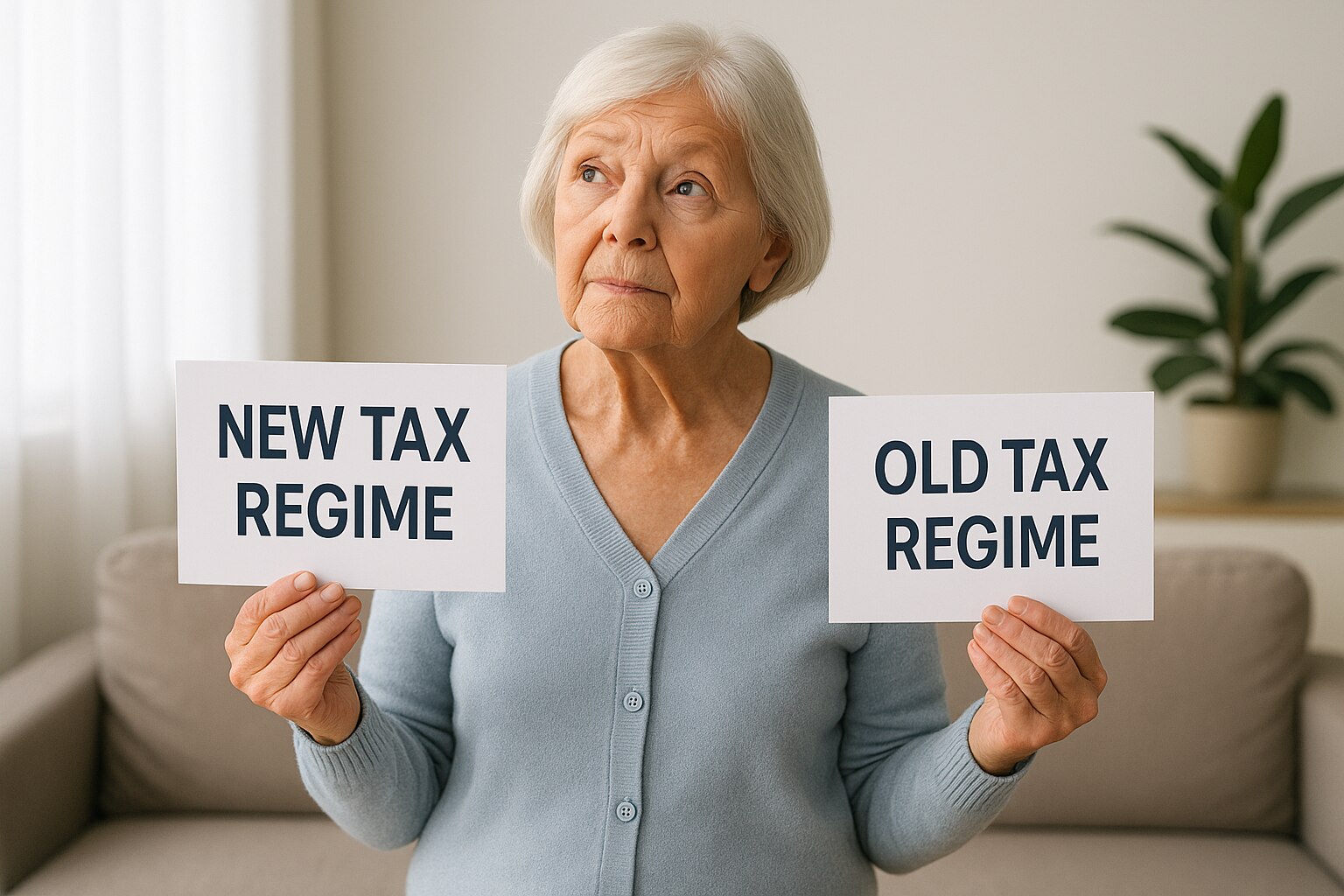
These medical deductions vanish under India’s new tax regime. Seniors wanting Section 80D, 80DD or 80DDB benefits must choose the old tax structure while filing their ITR. From Rs 50,000 relief on uninsured medical costs to higher deductions for severe ailments, it’s crucial to weigh tax-saving perks against the new regime’s lower rates before locking in your choice.