
ITR errors? Revise your return by Dec 31 or risk notices, penalties, even prosecution
Filing your income tax return can be tedious, with complex forms, AIS mismatches, and portal glitches adding to the stress. While the deadline for AY 2025–26 has been extended to September 15, waiting till the last moment can lead to costly mistakes. If you’ve already filed and spotted an error—like missed income or wrong details—you still have time to revise your return and avoid penalties.
- Jul 15, 2025,
- Updated Jul 15, 2025 7:52 PM IST

- 1/6
If you spot any mistakes in your ITR—whether it’s incorrect income reporting, deduction claims, or personal details—you must revise it before December 31, 2025. This is the final deadline for revised and belated returns for AY 2025–26. Revising on time helps you avoid income tax notices, penalties, and legal complications that may arise from misreporting or non-disclosure.
- 2/6
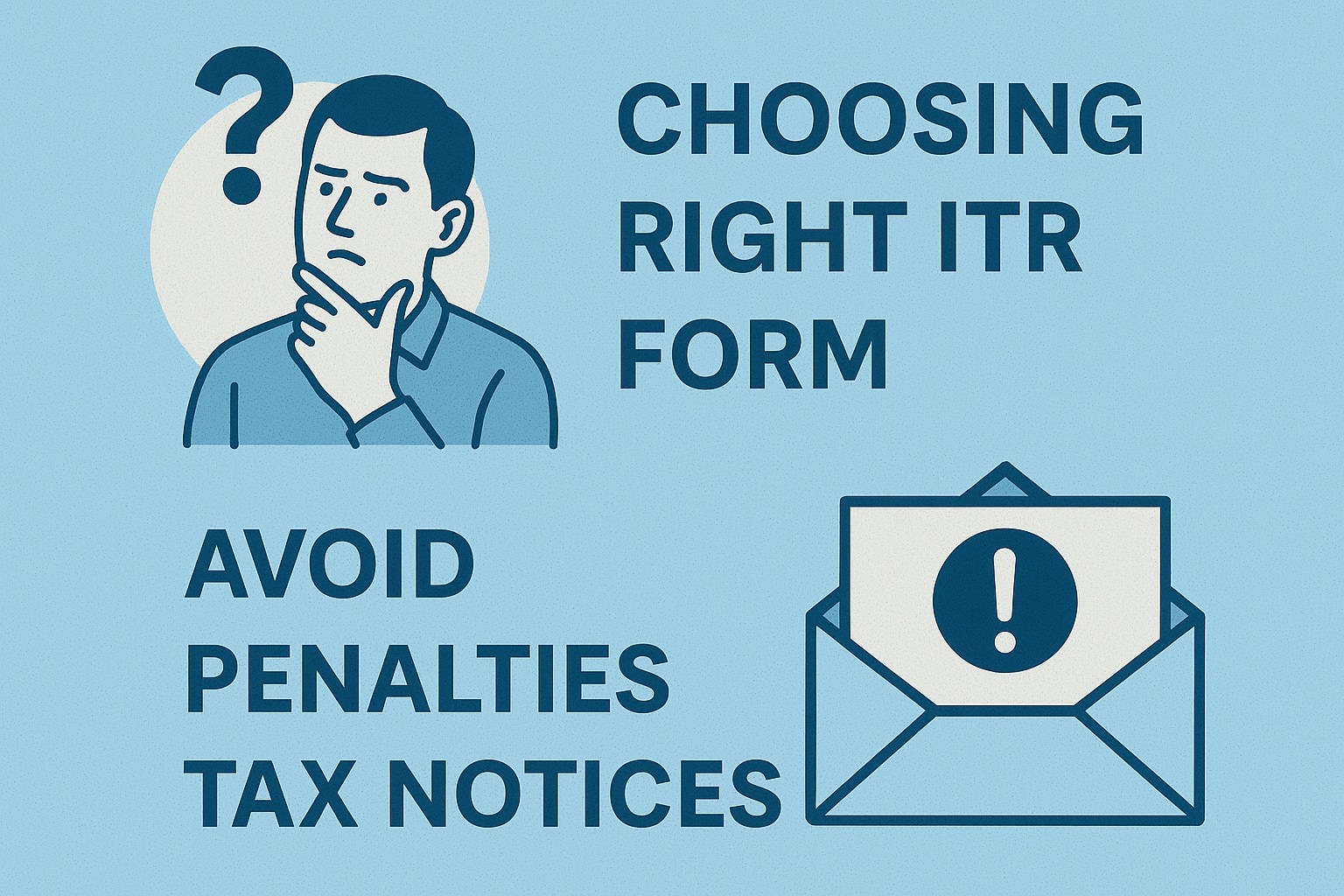
Taxpayers often make errors like selecting the wrong ITR form, missing income from foreign assets, or failing to claim valid deductions. Even something as basic as incorrect bank account details can delay refunds or invite scrutiny. These errors can be corrected in your revised return, but only if done before the deadline. Filing a clean return is crucial to prevent tax authority flags and future complications.
- 3/6
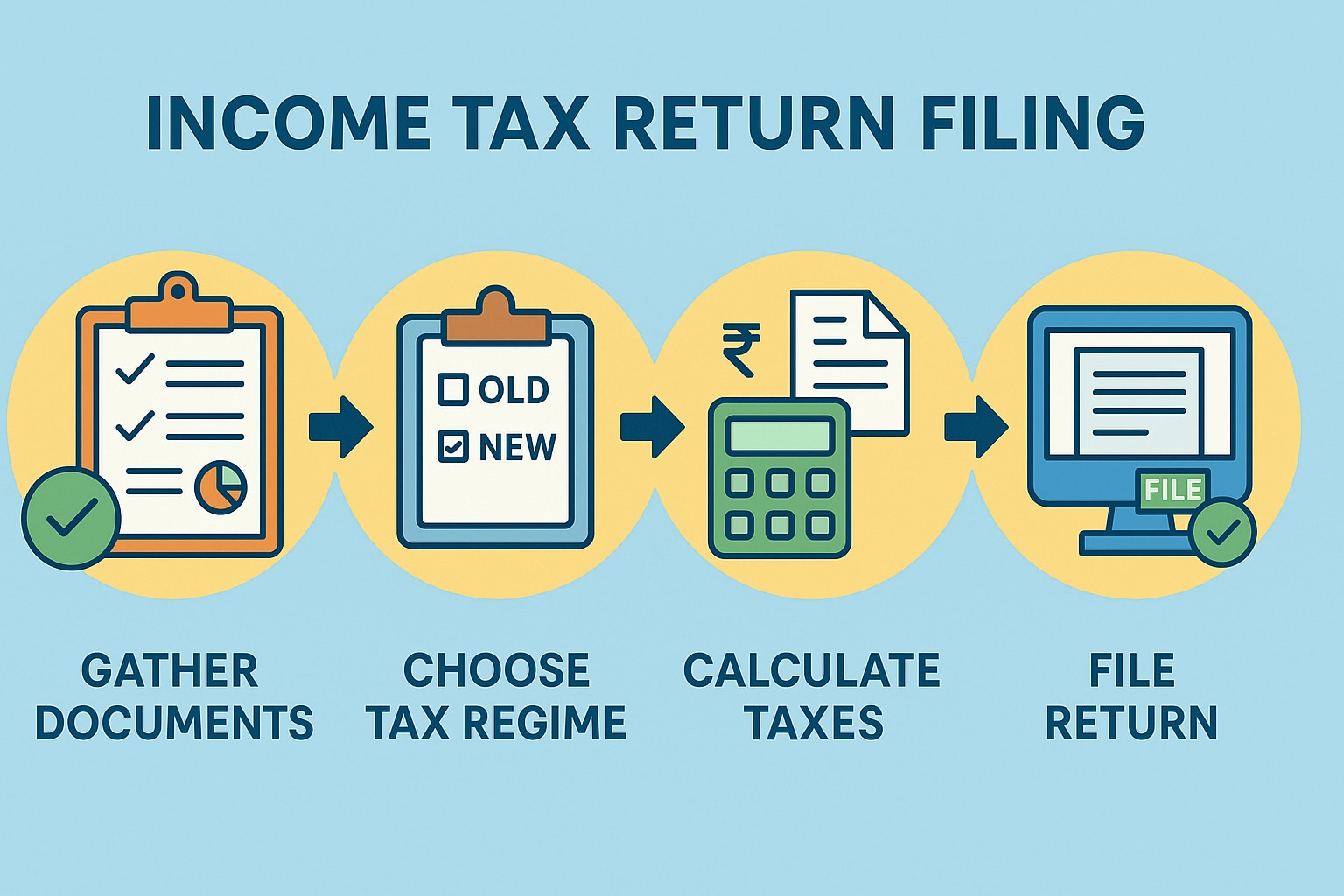
There’s no charge for filing a revised return, and you can revise it as many times as necessary within the deadline. However, the revised return must be verified within 30 days of filing, either electronically or by sending a physical ITR-V. An unverified return is treated as invalid, which could nullify your corrections and expose you to penalties or missed refund opportunities.
- 4/6
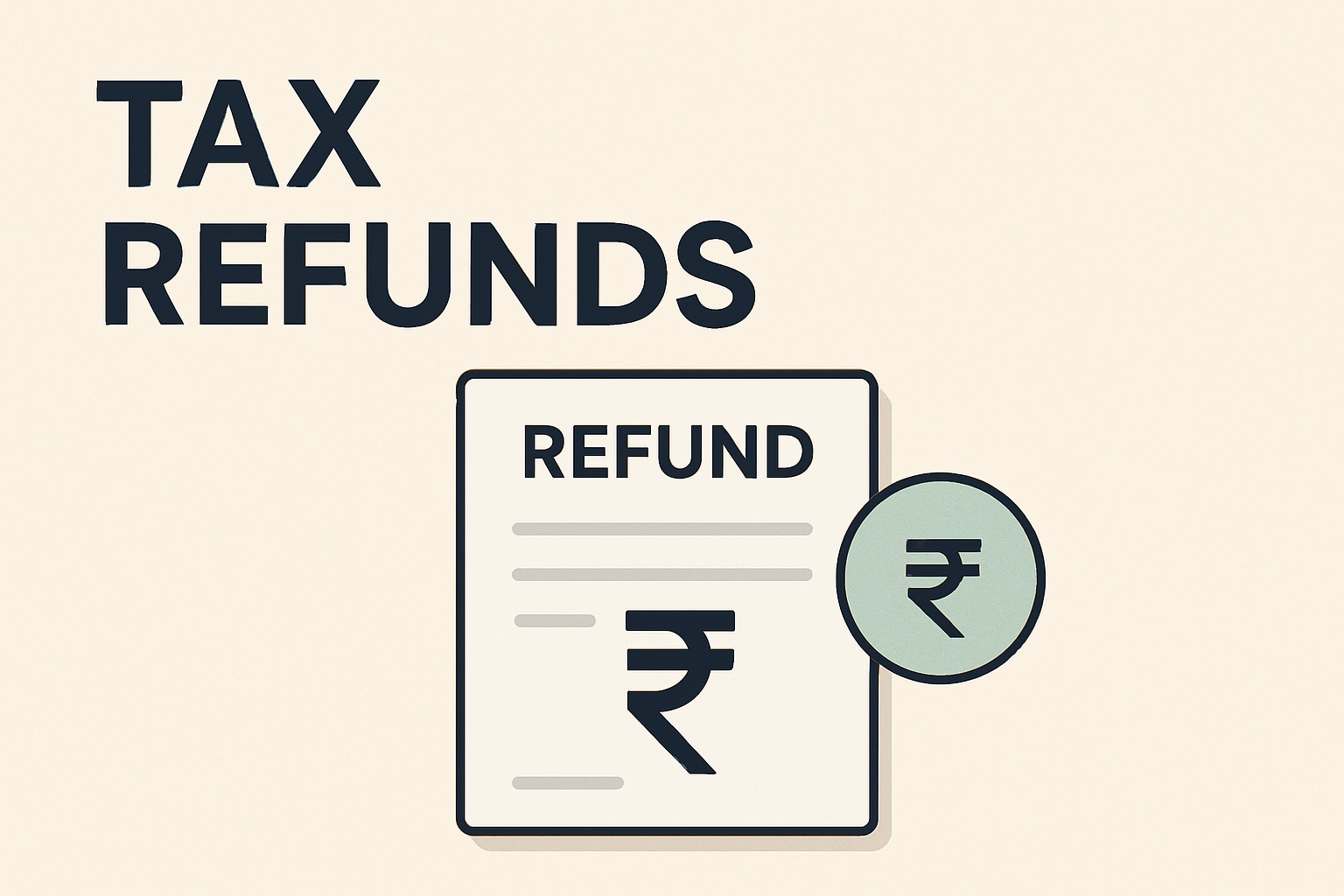
Already received your refund but noticed an error? No problem—you can still file a revised return to correct mistakes. The refund won’t be impacted unless the revision reveals underreported income or tax dues. It’s better to correct the record voluntarily than to wait for the Income Tax Department to raise a query or issue a notice based on data mismatches.
- 5/6
Failure to report foreign assets, ESOPs from foreign employers, or overseas income can attract penalties under the Black Money Act. Though foreign movable assets worth under ₹20 lakh are exempt from penalty post-Budget 2024, non-disclosure still carries serious compliance risks. Make sure these are accurately reported and revise your return if missed—especially if you work for MNCs or hold global investments.
- 6/6
If you fail to revise your return by December 31, you can still file an updated return (ITR-U) under Section 139(8A). This window is open for up to 48 months after the assessment year. However, you must have tax dues to use this option—it cannot be used to claim additional refunds or losses. Filing ITR-U also involves paying penalties on the tax payable, so act wisely.