
Budget 2026 may further tilt balance toward New Tax Regime after exemption hike in 2025
Budget 2026 may further tilt balance toward New Tax Regime after exemption hike in 2025
As Budget 2026 approaches, the New Tax Regime is firmly at the centre of the government’s personal tax strategy, following the sweeping relief announced last year. The higher exemption and zero-tax threshold introduced in Budget 2025 are now shaping expectations of a deeper push toward a simplified, deduction-light system.
Business Today Desk
- Jan 3, 2026,
- Updated Jan 3, 2026 11:06 AM IST
As policymakers prepare the ground for the Union Budget 2026, the direction of India’s personal income tax framework is becoming increasingly clear. The changes announced in Budget 2025 — particularly the sharp increase in the basic exemption limit under the New Tax Regime — are now shaping expectations that the simplified regime could see an even stronger push in the coming year.
Advertisement
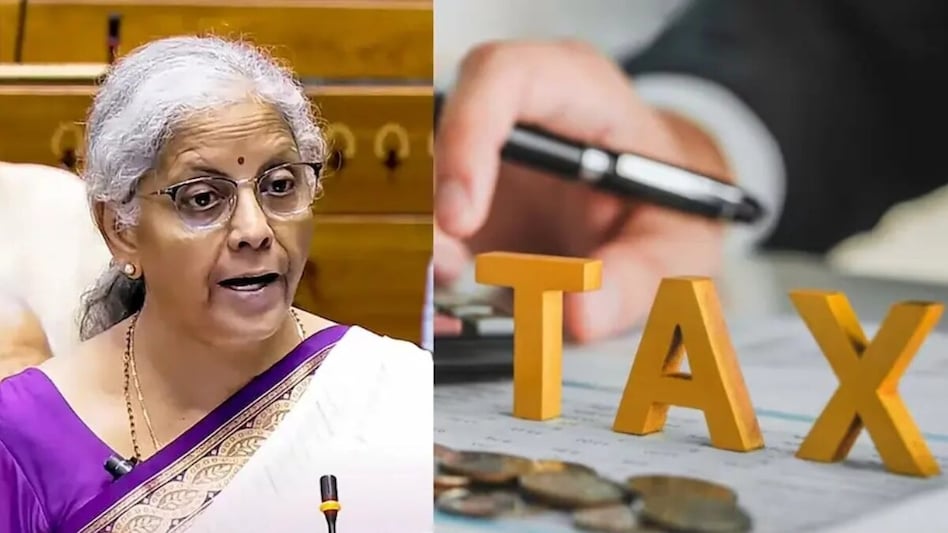
In the Union Budget 2025, Finance Minister Nirmala Sitharaman raised the basic exemption limit under the New Tax Regime from Rs 3 lakh to Rs 4 lakh, delivering meaningful relief to salaried taxpayers. Combined with a higher standard deduction, the move effectively eliminated income tax for salaried individuals earning up to Rs 12.75 lakh. As Budget 2026 approaches, many taxpayers are reassessing whether to finally switch to the New Tax Regime or continue with the Old Tax Regime, which still offers higher exemptions and deductions.
The shift towards the New Tax Regime has already gathered significant momentum, and the 2025 changes are widely seen as a stepping stone toward making it the default system. In Assessment Year 2024–25, of the 7.28 crore income tax returns filed, 5.27 crore — or 72 per cent — were under the New Tax Regime, compared with 2.01 crore under the Old Tax Regime. This trend is likely to weigh heavily on Budget 2026 deliberations.
Advertisement
Old Tax Regime vs New Tax Regime
Under the New Tax Regime, both individuals receiving a salary and pensioners can now benefit from a standard deduction of Rs 75,000. This adjustment, in addition to the raised nil-tax threshold of Rs 12 lakh as declared in the budget, extends the tax-free income cap to Rs 12.75 lakh for those employed in salaried positions.
According to BankBazaar's calculations, the newly introduced tax changes will give more money in the pockets of citizens, enabling them to contribute to the economy in multiple ways. The minimum tax slab has been raised to Rs 12 lakhs from Rs 7 lakhs. The most striking change in the new regime is the removal of income tax for those earning up to Rs 12 lakhs and the revised tax slabs, which now see the 30% tax bracket apply only for those earning above Rs 24 lakhs. This means significant savings for middle-class earners.
Advertisement
For example, those earning Rs 15 lakh got 25% more under the New Tax Regime over the Old Tax Regime. The total savings under the New Tax Regime will be Rs 36,400 more than the 2024 tax slabs under the New Tax Regime and Old Tax Regime.
Here are the tax savings calculations in details:
Here's how income tax outgo under the old tax regime and the new tax regime changed from FY2024 and FY2025 across different income levels. The revised new regime, introduced in Budget 2025, sharply improved savings—especially for middle-income taxpayers.
At the lower end of the income spectrum, the new tax regime effectively eliminates tax liability altogether. Individuals with taxable income up to Rs 5 lakh pay zero tax under both regimes. However, the difference becomes visible at Rs 7.5 lakh, where tax under the old regime stands at Rs 65,000, while the new regime (2025) brings it down to zero, resulting in a saving of Rs 26,000 over the 2024 new regime. The benefit widens further at Rs 10 lakh and Rs 12 lakh, where taxpayers save Rs 52,000 and Rs 83,200, respectively, compared with the previous version of the new regime.
The most striking gains are visible in the Rs 15 lakh to Rs 25 lakh income bracket. At Rs 15 lakh, tax under the old regime is Rs 2.73 lakh, while the revised new regime reduces it to Rs 1.09 lakh, delivering a saving of Rs 36,400 or 25%. At Rs 20 lakh, savings jump to Rs 93,600, translating into a 31% reduction over the 2024 new regime. At Rs 25 lakh, taxpayers save Rs 1.14 lakh, again equivalent to 25%.
Advertisement
Beyond Rs 30 lakh, the absolute savings remain largely constant at around Rs 1.14 lakh to Rs 1.24 lakh, but the percentage benefit steadily declines as income rises. For instance, at Rs 30 lakh, the saving works out to 18.6%, dropping to 9.2% at Rs 50 lakh and just 1.9% at Rs 1 crore. At very high income levels such as Rs 5 crore, the saving is limited to 0.3%.
Overall, while the newer tax regime offered uniform absolute relief at higher incomes, it is clearly designed to maximise relative benefits for middle-income earners. The structure reinforces the government’s push toward a simplified, deduction-light tax system that delivers the biggest gains to taxpayers earning between Rs 7.5 lakh and Rs 25 lakh annually.
As policymakers prepare the ground for the Union Budget 2026, the direction of India’s personal income tax framework is becoming increasingly clear. The changes announced in Budget 2025 — particularly the sharp increase in the basic exemption limit under the New Tax Regime — are now shaping expectations that the simplified regime could see an even stronger push in the coming year.
Advertisement
In the Union Budget 2025, Finance Minister Nirmala Sitharaman raised the basic exemption limit under the New Tax Regime from Rs 3 lakh to Rs 4 lakh, delivering meaningful relief to salaried taxpayers. Combined with a higher standard deduction, the move effectively eliminated income tax for salaried individuals earning up to Rs 12.75 lakh. As Budget 2026 approaches, many taxpayers are reassessing whether to finally switch to the New Tax Regime or continue with the Old Tax Regime, which still offers higher exemptions and deductions.
The shift towards the New Tax Regime has already gathered significant momentum, and the 2025 changes are widely seen as a stepping stone toward making it the default system. In Assessment Year 2024–25, of the 7.28 crore income tax returns filed, 5.27 crore — or 72 per cent — were under the New Tax Regime, compared with 2.01 crore under the Old Tax Regime. This trend is likely to weigh heavily on Budget 2026 deliberations.
Advertisement
Old Tax Regime vs New Tax Regime
Under the New Tax Regime, both individuals receiving a salary and pensioners can now benefit from a standard deduction of Rs 75,000. This adjustment, in addition to the raised nil-tax threshold of Rs 12 lakh as declared in the budget, extends the tax-free income cap to Rs 12.75 lakh for those employed in salaried positions.
According to BankBazaar's calculations, the newly introduced tax changes will give more money in the pockets of citizens, enabling them to contribute to the economy in multiple ways. The minimum tax slab has been raised to Rs 12 lakhs from Rs 7 lakhs. The most striking change in the new regime is the removal of income tax for those earning up to Rs 12 lakhs and the revised tax slabs, which now see the 30% tax bracket apply only for those earning above Rs 24 lakhs. This means significant savings for middle-class earners.
Advertisement
For example, those earning Rs 15 lakh got 25% more under the New Tax Regime over the Old Tax Regime. The total savings under the New Tax Regime will be Rs 36,400 more than the 2024 tax slabs under the New Tax Regime and Old Tax Regime.
Here are the tax savings calculations in details:
Here's how income tax outgo under the old tax regime and the new tax regime changed from FY2024 and FY2025 across different income levels. The revised new regime, introduced in Budget 2025, sharply improved savings—especially for middle-income taxpayers.
At the lower end of the income spectrum, the new tax regime effectively eliminates tax liability altogether. Individuals with taxable income up to Rs 5 lakh pay zero tax under both regimes. However, the difference becomes visible at Rs 7.5 lakh, where tax under the old regime stands at Rs 65,000, while the new regime (2025) brings it down to zero, resulting in a saving of Rs 26,000 over the 2024 new regime. The benefit widens further at Rs 10 lakh and Rs 12 lakh, where taxpayers save Rs 52,000 and Rs 83,200, respectively, compared with the previous version of the new regime.
The most striking gains are visible in the Rs 15 lakh to Rs 25 lakh income bracket. At Rs 15 lakh, tax under the old regime is Rs 2.73 lakh, while the revised new regime reduces it to Rs 1.09 lakh, delivering a saving of Rs 36,400 or 25%. At Rs 20 lakh, savings jump to Rs 93,600, translating into a 31% reduction over the 2024 new regime. At Rs 25 lakh, taxpayers save Rs 1.14 lakh, again equivalent to 25%.
Advertisement
Beyond Rs 30 lakh, the absolute savings remain largely constant at around Rs 1.14 lakh to Rs 1.24 lakh, but the percentage benefit steadily declines as income rises. For instance, at Rs 30 lakh, the saving works out to 18.6%, dropping to 9.2% at Rs 50 lakh and just 1.9% at Rs 1 crore. At very high income levels such as Rs 5 crore, the saving is limited to 0.3%.
Overall, while the newer tax regime offered uniform absolute relief at higher incomes, it is clearly designed to maximise relative benefits for middle-income earners. The structure reinforces the government’s push toward a simplified, deduction-light tax system that delivers the biggest gains to taxpayers earning between Rs 7.5 lakh and Rs 25 lakh annually.
Read more!