
Price of small cars in India could drop by 8% under proposed GST cut: Report
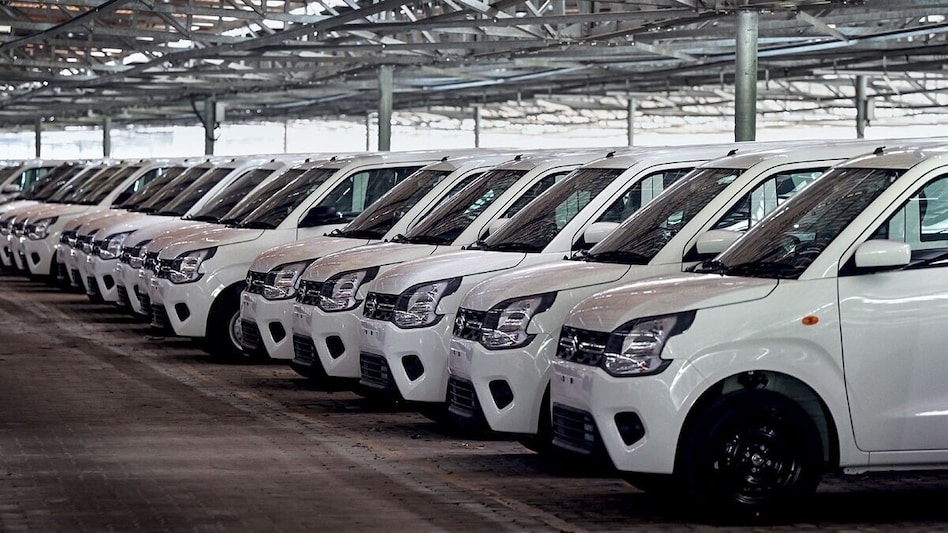
The report suggests that if the GST rate for smaller cars is reduced from the current 28% to 18%, consumers may see a price decrease of approximately 8% on these vehicles.
- Aug 19, 2025,
- Updated Aug 19, 2025 2:13 PM IST
The potential reduction of the Goods and Services Tax (GST) on vehicles in India could lead to significant price cuts for small cars, according to a recent report by HSBC. The report suggests that if the GST rate for smaller cars is reduced from the current 28% to 18%, consumers may see a price decrease of approximately 8% on these vehicles. This proposal forms part of a broader recommendation to alter the tax structure affecting the automotive industry, aiming to stimulate demand and make cars more affordable for the general public.
Currently, the GST structure imposes a tax range of 29% to 50% on passenger vehicles, with an additional cess based on the vehicle size. While the report highlights an 8% potential price drop for small cars, larger cars might see a reduction of 3% to 5%. The report notes, "This would mean for smaller cars prices may come down by 8 per cent and for bigger cars in the range of 3-5 per cent." Such changes could make owning a car more accessible to a broader spectrum of consumers, thereby possibly boosting sales within the sector.
The report also explores the possibility of a flat GST reduction. If the GST across all vehicle categories were cut from 28% to 18%, the resultant price benefit could be around 6% to 8% for all cars. However, maintaining the current cess based on vehicle size means this scenario is less likely. Despite this, any such across-the-board tax cuts would require the government to cope with a revenue drop estimated between USD 5 billion and USD 6 billion.
In considering these proposals, the report delves into the impact on government finances, projecting a potential revenue shortfall of USD 4 billion to USD 5 billion if the GST cut is enacted. This fiscal impact is a critical factor for policymakers to weigh, as it affects the overall budget and fiscal health of the country. Yet, the anticipated economic boost from increased car sales could offset some of these losses.
There is also a suggestion within the report for a revised taxation mechanism, where smaller cars could be taxed at the lowered 18% rate, while larger vehicles might face a "special rate" of 40%, with the current cess being abolished. This proposal aims to tailor the taxation approach to vehicle size and type, potentially encouraging a more balanced market growth.
Present taxation structure
Under GST current rates, cars are included in the scope of supply without any blanket exemption. However, vehicles purchased specifically for use by physically disabled persons are exempted, offering targeted relief. Additionally, the purchase of used cars from unregistered dealers is considered outside the scope of GST, avoiding double taxation.
For new vehicles, GST rates vary depending on the category and specifications of the car. Small petrol cars with an engine capacity up to 1200 cc and length under 4 meters attract 28% GST plus a 1% cess, while small diesel cars (up to 1500 cc, less than 4m) attract 28% GST with a 3% cess. Mid-sized cars face a higher total tax of 43%, luxury cars 48%, and SUVs the steepest at 50%. Electric vehicles, on the other hand, benefit from a highly concessional GST rate of just 5%, making them more affordable and promoting green mobility.
Compared to the pre-GST era, smaller cars and luxury cars have seen a decline in tax burden, while mid-sized cars became slightly costlier. SUVs remained largely stable, whereas EVs witnessed a significant price drop. This has reshaped consumer choices and market dynamics.
| Car Category | Engine Capacity & Length | GST Rate | Compensation Cess | Total Tax Rate |
| Small Petrol Cars | Up to 1200 cc, less than 4m length | 28% | 1% | 29% |
| Small Diesel Cars | Up to 1500 cc, less than 4m length | 28% | 3% | 31% |
| Mid-sized Cars | Above 1200 cc (petrol) or 1500 cc (diesel) | 28% | 15% | 43% |
| Luxury Cars | Above 1500 cc | 28% | 20% | 48% |
| SUVs | Above 1500 cc, more than 4m length | 28% | 22% | 50% |
| Electric Vehicles | All capacities | 5% | 0% | 5% |
Source: ClearTax (With agency inputs)
The potential reduction of the Goods and Services Tax (GST) on vehicles in India could lead to significant price cuts for small cars, according to a recent report by HSBC. The report suggests that if the GST rate for smaller cars is reduced from the current 28% to 18%, consumers may see a price decrease of approximately 8% on these vehicles. This proposal forms part of a broader recommendation to alter the tax structure affecting the automotive industry, aiming to stimulate demand and make cars more affordable for the general public.
Currently, the GST structure imposes a tax range of 29% to 50% on passenger vehicles, with an additional cess based on the vehicle size. While the report highlights an 8% potential price drop for small cars, larger cars might see a reduction of 3% to 5%. The report notes, "This would mean for smaller cars prices may come down by 8 per cent and for bigger cars in the range of 3-5 per cent." Such changes could make owning a car more accessible to a broader spectrum of consumers, thereby possibly boosting sales within the sector.
The report also explores the possibility of a flat GST reduction. If the GST across all vehicle categories were cut from 28% to 18%, the resultant price benefit could be around 6% to 8% for all cars. However, maintaining the current cess based on vehicle size means this scenario is less likely. Despite this, any such across-the-board tax cuts would require the government to cope with a revenue drop estimated between USD 5 billion and USD 6 billion.
In considering these proposals, the report delves into the impact on government finances, projecting a potential revenue shortfall of USD 4 billion to USD 5 billion if the GST cut is enacted. This fiscal impact is a critical factor for policymakers to weigh, as it affects the overall budget and fiscal health of the country. Yet, the anticipated economic boost from increased car sales could offset some of these losses.
There is also a suggestion within the report for a revised taxation mechanism, where smaller cars could be taxed at the lowered 18% rate, while larger vehicles might face a "special rate" of 40%, with the current cess being abolished. This proposal aims to tailor the taxation approach to vehicle size and type, potentially encouraging a more balanced market growth.
Present taxation structure
Under GST current rates, cars are included in the scope of supply without any blanket exemption. However, vehicles purchased specifically for use by physically disabled persons are exempted, offering targeted relief. Additionally, the purchase of used cars from unregistered dealers is considered outside the scope of GST, avoiding double taxation.
For new vehicles, GST rates vary depending on the category and specifications of the car. Small petrol cars with an engine capacity up to 1200 cc and length under 4 meters attract 28% GST plus a 1% cess, while small diesel cars (up to 1500 cc, less than 4m) attract 28% GST with a 3% cess. Mid-sized cars face a higher total tax of 43%, luxury cars 48%, and SUVs the steepest at 50%. Electric vehicles, on the other hand, benefit from a highly concessional GST rate of just 5%, making them more affordable and promoting green mobility.
Compared to the pre-GST era, smaller cars and luxury cars have seen a decline in tax burden, while mid-sized cars became slightly costlier. SUVs remained largely stable, whereas EVs witnessed a significant price drop. This has reshaped consumer choices and market dynamics.
| Car Category | Engine Capacity & Length | GST Rate | Compensation Cess | Total Tax Rate |
| Small Petrol Cars | Up to 1200 cc, less than 4m length | 28% | 1% | 29% |
| Small Diesel Cars | Up to 1500 cc, less than 4m length | 28% | 3% | 31% |
| Mid-sized Cars | Above 1200 cc (petrol) or 1500 cc (diesel) | 28% | 15% | 43% |
| Luxury Cars | Above 1500 cc | 28% | 20% | 48% |
| SUVs | Above 1500 cc, more than 4m length | 28% | 22% | 50% |
| Electric Vehicles | All capacities | 5% | 0% | 5% |
Source: ClearTax (With agency inputs)