
Income Tax Bill passed: Lower rates, bigger rebates, clearer rules for salaried taxpayers
Clause 202(I) of the Income Tax (No. 2) Bill, 2025, introduces a simplified tax regime for individuals, Hindu Undivided Families, and other taxpayers. Besides, amendments to the house property income and the Unified Pension Scheme have been introduced.
- Aug 14, 2025,
- Updated Aug 14, 2025 5:46 PM IST
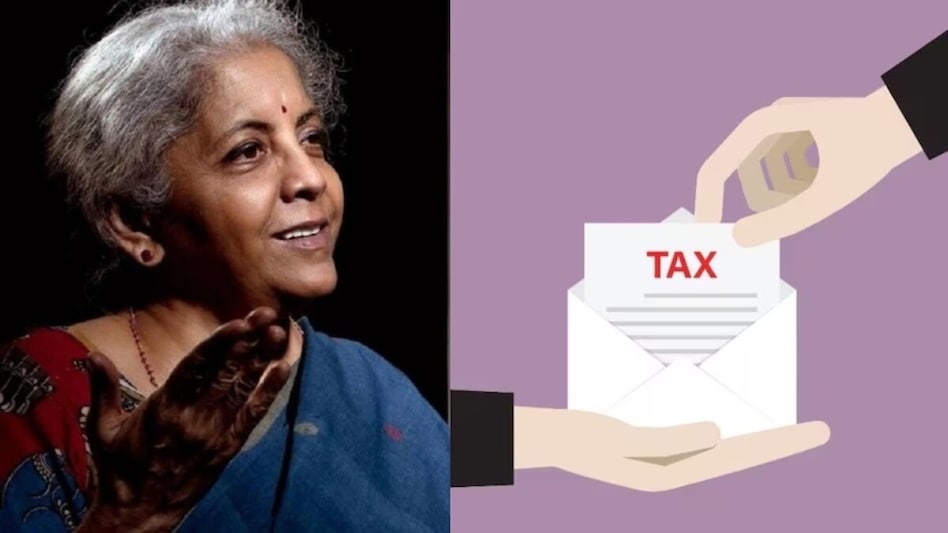
The Lok Sabha has passed the Income Tax (No. 2) Bill, 2025, aiming to revamp the existing tax framework for individuals and families. The Union Finance Minister, Nirmala Sitharaman, spearheaded the move amidst opposition protests. This legislation is designed to simplify and consolidate the prevailing income tax laws, with significant implications for individual salaried taxpayers. Once ratified by Parliament, the bill will come into effect on 1st April 2026, replacing the longstanding Income Tax Act, 1961.
Key provisions
A prominent feature of the bill is the introduction of an updated tax regime under Clause 202(I). This new regime offers a full tax exemption on income up to ₹4 lakh. Taxpayers with an income between ₹4,00,001 and ₹12 lakh can benefit from reduced tax rates, ranging from 5% to 15%. For income above ₹12 lakh, a marginal tax relief provision is included to alleviate excessive tax burdens.
Tax rebates
The revised bill offers rebates in both the old and new tax regimes. Under the old regime, individuals with an income of up to ₹5 lakh can avail a 100% rebate, capped at ₹12,500. The new regime extends this benefit, allowing a 100% rebate for incomes up to ₹12 lakh, with a maximum limit of ₹60,000. These adjustments are anticipated to provide significant relief to middle-income earners, ensuring a more equitable tax system.
Simplification of tax slabs
Under the new tax regime, proposed tax slabs include a 5% rate for incomes from ₹4,00,001 to ₹8 lakh, 10% for ₹8,00,001 to ₹12 lakh, and 15% for ₹12,00,001 to ₹16 lakh. Incomes between ₹16,00,001 and ₹20 lakh will be taxed at 20%, with a 25% rate applied to incomes up to ₹24 lakh. The highest tax rate of 30% applies to incomes above ₹24 lakh. These slabs aim to simplify tax calculations and reduce the incidence of higher marginal rates.
Property income
Clause 20 clarifies the taxation of property income, where earnings from owned buildings or land are considered taxable under 'Income from House Property'. The annual value is now the higher of notional or actual rent received. However, properties used for business purposes are taxed under business income. This amendment seeks to provide clarity and fairness in property taxation.
UPS Alignments
The bill also aligns the Unified Pension Scheme (UPS) with the National Pension System (NPS) for taxation. Up to 60% of the pension corpus at retirement is tax-exempt, with the remainder used for annuity purchases being taxable. Employee and employer contributions continue to enjoy tax deductions under Sections 80CCD(1) and 80CCD(2). This alignment aims to eliminate disparities in tax treatment between UPS and NPS, encouraging more strategic retirement planning.
Definition of Tax Year
The revised bill introduces a clear definition of the 'Tax Year', starting from 1st April of each financial year. For newly established businesses or income sources, the tax year begins on the date of inception and concludes on 31st March. This clarity is expected to facilitate better tax planning and compliance for new businesses.
The introduction of the Income Tax (No. 2) Bill, 2025, is part of the government's broader strategy to streamline tax administration and enhance taxpayer compliance. The Select Committee has recommended several drafting corrections, aimed at avoiding misinterpretation and ensuring transparency. As these changes align with international practices, they are expected to foster a more favourable business environment in India.
The Lok Sabha has passed the Income Tax (No. 2) Bill, 2025, aiming to revamp the existing tax framework for individuals and families. The Union Finance Minister, Nirmala Sitharaman, spearheaded the move amidst opposition protests. This legislation is designed to simplify and consolidate the prevailing income tax laws, with significant implications for individual salaried taxpayers. Once ratified by Parliament, the bill will come into effect on 1st April 2026, replacing the longstanding Income Tax Act, 1961.
Key provisions
A prominent feature of the bill is the introduction of an updated tax regime under Clause 202(I). This new regime offers a full tax exemption on income up to ₹4 lakh. Taxpayers with an income between ₹4,00,001 and ₹12 lakh can benefit from reduced tax rates, ranging from 5% to 15%. For income above ₹12 lakh, a marginal tax relief provision is included to alleviate excessive tax burdens.
Tax rebates
The revised bill offers rebates in both the old and new tax regimes. Under the old regime, individuals with an income of up to ₹5 lakh can avail a 100% rebate, capped at ₹12,500. The new regime extends this benefit, allowing a 100% rebate for incomes up to ₹12 lakh, with a maximum limit of ₹60,000. These adjustments are anticipated to provide significant relief to middle-income earners, ensuring a more equitable tax system.
Simplification of tax slabs
Under the new tax regime, proposed tax slabs include a 5% rate for incomes from ₹4,00,001 to ₹8 lakh, 10% for ₹8,00,001 to ₹12 lakh, and 15% for ₹12,00,001 to ₹16 lakh. Incomes between ₹16,00,001 and ₹20 lakh will be taxed at 20%, with a 25% rate applied to incomes up to ₹24 lakh. The highest tax rate of 30% applies to incomes above ₹24 lakh. These slabs aim to simplify tax calculations and reduce the incidence of higher marginal rates.
Property income
Clause 20 clarifies the taxation of property income, where earnings from owned buildings or land are considered taxable under 'Income from House Property'. The annual value is now the higher of notional or actual rent received. However, properties used for business purposes are taxed under business income. This amendment seeks to provide clarity and fairness in property taxation.
UPS Alignments
The bill also aligns the Unified Pension Scheme (UPS) with the National Pension System (NPS) for taxation. Up to 60% of the pension corpus at retirement is tax-exempt, with the remainder used for annuity purchases being taxable. Employee and employer contributions continue to enjoy tax deductions under Sections 80CCD(1) and 80CCD(2). This alignment aims to eliminate disparities in tax treatment between UPS and NPS, encouraging more strategic retirement planning.
Definition of Tax Year
The revised bill introduces a clear definition of the 'Tax Year', starting from 1st April of each financial year. For newly established businesses or income sources, the tax year begins on the date of inception and concludes on 31st March. This clarity is expected to facilitate better tax planning and compliance for new businesses.
The introduction of the Income Tax (No. 2) Bill, 2025, is part of the government's broader strategy to streamline tax administration and enhance taxpayer compliance. The Select Committee has recommended several drafting corrections, aimed at avoiding misinterpretation and ensuring transparency. As these changes align with international practices, they are expected to foster a more favourable business environment in India.