
Small cars to get cheaper: GST overhaul may drop tax rate for vehicles from 29% to just 18%
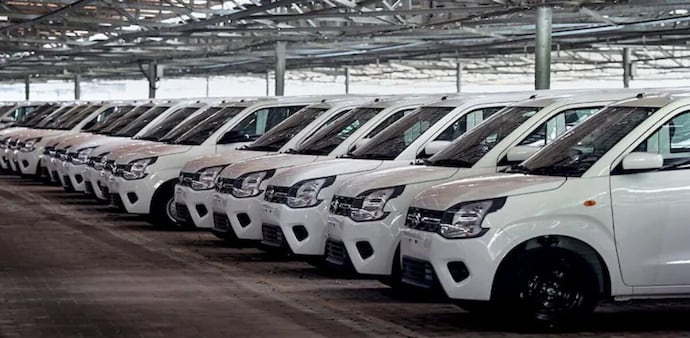
At present, small passenger vehicles of up to 4 metres in length and engine capacity up to 1,200 cc (petrol, CNG, LPG) attract a combined levy of 29%—28% GST plus 1% cess.
- Aug 18, 2025,
- Updated Aug 18, 2025 8:24 AM IST
The revamped goods and services tax (GST) framework is expected to overhaul both the classification of passenger vehicles and the tax slabs under which they fall, substantially lowering the burden on entry-level cars.
Finance Ministry sources told Business Today that the exercise is aimed at ironing out distortions that have built up in the auto tax structure over the years. With most items currently taxed at 28% proposed to move into the 18% bracket, small cars are likely to see the biggest relief.
At present, small passenger vehicles of up to 4 metres in length and engine capacity up to 1,200 cc (petrol, CNG, LPG) attract a combined levy of 29%—28% GST plus 1% cess. Diesel cars of similar dimensions face 31%. Larger cars and SUVs, meanwhile, bear some of the heaviest burdens globally, with effective tax rates ranging from 43% to 50%.
Under the proposed rejig, hatchbacks and compact sedans are expected to shift to the 18% GST slab, cutting taxes by around 11 percentage points. This could sharply boost demand in the segment, which has been losing ground to SUVs in recent years.
Under the proposed GST revamp, large cars and SUVs are expected to be taxed at a special rate of 40%, down from the current 43–50% range that includes cess. The 5% GST rate for electric vehicles will remain unchanged. This 40% slab is likely to apply to six or seven items classified as luxury or “sin” goods—such as tobacco, aerated drinks, certain motor vehicles, and possibly online gaming. Industry executives say the restructured slabs may help restore balance in the market, where preference has tilted toward bigger vehicles.
“By resetting the tax structure, the government is aiming both at rationalisation and at giving entry-level buyers a push,” said a person familiar with the matter.
The revamped goods and services tax (GST) framework is expected to overhaul both the classification of passenger vehicles and the tax slabs under which they fall, substantially lowering the burden on entry-level cars.
Finance Ministry sources told Business Today that the exercise is aimed at ironing out distortions that have built up in the auto tax structure over the years. With most items currently taxed at 28% proposed to move into the 18% bracket, small cars are likely to see the biggest relief.
At present, small passenger vehicles of up to 4 metres in length and engine capacity up to 1,200 cc (petrol, CNG, LPG) attract a combined levy of 29%—28% GST plus 1% cess. Diesel cars of similar dimensions face 31%. Larger cars and SUVs, meanwhile, bear some of the heaviest burdens globally, with effective tax rates ranging from 43% to 50%.
Under the proposed rejig, hatchbacks and compact sedans are expected to shift to the 18% GST slab, cutting taxes by around 11 percentage points. This could sharply boost demand in the segment, which has been losing ground to SUVs in recent years.
Under the proposed GST revamp, large cars and SUVs are expected to be taxed at a special rate of 40%, down from the current 43–50% range that includes cess. The 5% GST rate for electric vehicles will remain unchanged. This 40% slab is likely to apply to six or seven items classified as luxury or “sin” goods—such as tobacco, aerated drinks, certain motor vehicles, and possibly online gaming. Industry executives say the restructured slabs may help restore balance in the market, where preference has tilted toward bigger vehicles.
“By resetting the tax structure, the government is aiming both at rationalisation and at giving entry-level buyers a push,” said a person familiar with the matter.