
Hantavirus scare: What we know about the Dutch couple, the outbreak, and the risks
Though rare, hantavirus outbreaks draw concern because severe cases can have high fatality rates. Some forms of Hantavirus Pulmonary Syndrome have recorded mortality rates of 30% to 40%.
- May 7, 2026,
- Updated May 7, 2026 6:42 PM IST
A rare hantavirus infection has sparked global attention after a Dutch couple became linked to a case cluster, prompting health authorities to investigate the source of exposure and assess public risk. Though uncommon, hantavirus infections can become severe and are typically linked to rodents and contaminated environments.
Must read | Hantavirus scare: What is Andes strain, the only type capable of human-to-human infection?
Health officials believe the Dutch couple contracted the virus during travel in an area with reported hantavirus activity. Investigators suspect exposure occurred through contact with rodent-contaminated surroundings, including dust carrying traces of infected rodent urine, saliva, or droppings.
Authorities are tracing the couple’s movements and close contacts to identify the transmission route and check for additional cases. Officials said the couple initially mistook the illness for a common viral infection, as early symptoms often resemble the flu.
The patients reportedly developed fever, fatigue, muscle pain, and respiratory symptoms before seeking treatment.
Where did the outbreak begin and how did it spread?
Investigators have traced the outbreak to a localised exposure zone where infected rodents were present. Hantaviruses are carried by rats, mice, and other rodents, with different strains circulating across Europe, Asia, and the Americas.
Don't miss | Is Hantavirus outbreak the new Covid-19? Check symptoms, vaccine, how to stay safe
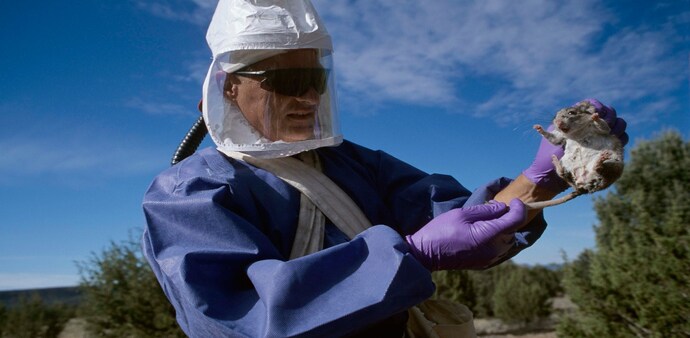
Most infections occur when people inhale virus particles released from rodent waste in enclosed or poorly ventilated spaces. Farms, cabins, campsites, storage areas, and abandoned buildings are considered high-risk locations.
Experts say the current spread pattern does not suggest sustained human-to-human transmission. Authorities believe exposure likely occurred through contaminated environments rather than direct contact between patients.
Health agencies are continuing surveillance to monitor for additional cases.
What is hantavirus and how dangerous is it?
Hantavirus is a group of rodent-borne viruses that can cause serious illness in humans. The infection is mainly associated with:
- Hantavirus Pulmonary Syndrome (HPS), more common in the Americas
- Hemorrhagic Fever with Renal Syndrome (HFRS), more common in Europe and Asia
Severity varies by strain. Some infections remain mild, while others rapidly progress to severe lung or kidney complications.
Early symptoms include:
- Fever
- Headache
- Chills
- Muscle aches
- Nausea and vomiting
Severe cases can lead to breathing difficulty, low blood pressure, fluid buildup in the lungs, or kidney failure.
There is no universally approved specific antiviral treatment for hantavirus. Care mainly focuses on oxygen support, fluid management, and intensive monitoring. Doctors say early diagnosis significantly improves survival chances.
Why hantavirus outbreaks worry health experts
Though rare, hantavirus outbreaks draw concern because severe cases can have high fatality rates. Some forms of Hantavirus Pulmonary Syndrome have recorded mortality rates of 30% to 40%.
Experts say climate shifts, rising rodent activity, poor sanitation, and expanding human contact with wildlife habitats can increase exposure risks.
Health agencies often issue alerts after floods, wildfires, or seasonal disruptions that push rodent populations closer to human settlements.
How to reduce the risk of infection
Experts recommend:
- Avoid direct contact with rodents and their droppings
- Wear gloves and masks while cleaning enclosed spaces
- Ventilate rooms before cleaning
- Use disinfectants instead of dry sweeping rodent waste
- Store food securely to avoid attracting rodents
- Seal holes and entry points in homes and storage areas
- Travelers visiting rural or forested regions are advised to avoid rodent-infested spaces.
Can hantavirus spread from human to human?
In most cases, hantavirus does not spread between humans. The virus is primarily transmitted through exposure to infected rodent urine, saliva, or droppings.
However, rare strains such as the Andes virus in South America have shown limited human-to-human transmission. Health officials say such cases remain extremely uncommon.
Authorities investigating the Dutch couple’s case have not reported evidence of sustained person-to-person spread. Health authorities currently consider the public risk to be low.
A rare hantavirus infection has sparked global attention after a Dutch couple became linked to a case cluster, prompting health authorities to investigate the source of exposure and assess public risk. Though uncommon, hantavirus infections can become severe and are typically linked to rodents and contaminated environments.
Must read | Hantavirus scare: What is Andes strain, the only type capable of human-to-human infection?
Health officials believe the Dutch couple contracted the virus during travel in an area with reported hantavirus activity. Investigators suspect exposure occurred through contact with rodent-contaminated surroundings, including dust carrying traces of infected rodent urine, saliva, or droppings.
Authorities are tracing the couple’s movements and close contacts to identify the transmission route and check for additional cases. Officials said the couple initially mistook the illness for a common viral infection, as early symptoms often resemble the flu.
The patients reportedly developed fever, fatigue, muscle pain, and respiratory symptoms before seeking treatment.
Where did the outbreak begin and how did it spread?
Investigators have traced the outbreak to a localised exposure zone where infected rodents were present. Hantaviruses are carried by rats, mice, and other rodents, with different strains circulating across Europe, Asia, and the Americas.
Don't miss | Is Hantavirus outbreak the new Covid-19? Check symptoms, vaccine, how to stay safe
Most infections occur when people inhale virus particles released from rodent waste in enclosed or poorly ventilated spaces. Farms, cabins, campsites, storage areas, and abandoned buildings are considered high-risk locations.
Experts say the current spread pattern does not suggest sustained human-to-human transmission. Authorities believe exposure likely occurred through contaminated environments rather than direct contact between patients.
Health agencies are continuing surveillance to monitor for additional cases.
What is hantavirus and how dangerous is it?
Hantavirus is a group of rodent-borne viruses that can cause serious illness in humans. The infection is mainly associated with:
- Hantavirus Pulmonary Syndrome (HPS), more common in the Americas
- Hemorrhagic Fever with Renal Syndrome (HFRS), more common in Europe and Asia
Severity varies by strain. Some infections remain mild, while others rapidly progress to severe lung or kidney complications.
Early symptoms include:
- Fever
- Headache
- Chills
- Muscle aches
- Nausea and vomiting
Severe cases can lead to breathing difficulty, low blood pressure, fluid buildup in the lungs, or kidney failure.
There is no universally approved specific antiviral treatment for hantavirus. Care mainly focuses on oxygen support, fluid management, and intensive monitoring. Doctors say early diagnosis significantly improves survival chances.
Why hantavirus outbreaks worry health experts
Though rare, hantavirus outbreaks draw concern because severe cases can have high fatality rates. Some forms of Hantavirus Pulmonary Syndrome have recorded mortality rates of 30% to 40%.
Experts say climate shifts, rising rodent activity, poor sanitation, and expanding human contact with wildlife habitats can increase exposure risks.
Health agencies often issue alerts after floods, wildfires, or seasonal disruptions that push rodent populations closer to human settlements.
How to reduce the risk of infection
Experts recommend:
- Avoid direct contact with rodents and their droppings
- Wear gloves and masks while cleaning enclosed spaces
- Ventilate rooms before cleaning
- Use disinfectants instead of dry sweeping rodent waste
- Store food securely to avoid attracting rodents
- Seal holes and entry points in homes and storage areas
- Travelers visiting rural or forested regions are advised to avoid rodent-infested spaces.
Can hantavirus spread from human to human?
In most cases, hantavirus does not spread between humans. The virus is primarily transmitted through exposure to infected rodent urine, saliva, or droppings.
However, rare strains such as the Andes virus in South America have shown limited human-to-human transmission. Health officials say such cases remain extremely uncommon.
Authorities investigating the Dutch couple’s case have not reported evidence of sustained person-to-person spread. Health authorities currently consider the public risk to be low.