
AI job losses or new opportunities? Infosys cofounder Kris Gopalakrishnan weighs in
AI is changing workplaces, but the Infosys veteran argues that automation could expand demand, create new opportunities and reshape professions rather than simply eliminate jobs.
- Sep 7, 2026,
- Updated Sep 7, 2026 5:06 PM IST
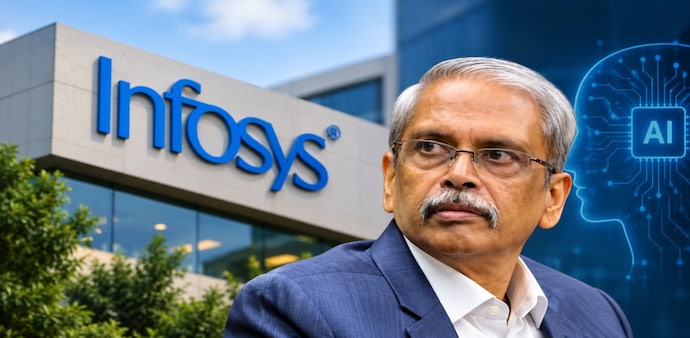
Artificial intelligence is reshaping workplaces and raising concerns about job losses, but Infosys cofounder Kris Gopalakrishnan believes AI could create more jobs than it takes away. His view comes as companies automate tasks previously handled by humans, fuelling concerns among younger people about finding jobs and building careers.
Must Read: Nvidia's Jensen Huang declares 'AGI has arrived' as OpenAI unveils GPT-6 Astra
Gopalakrishnan made the point while responding to a viral video featuring AI pioneer Geoffrey Hinton, who revisited his earlier prediction that AI would largely replace radiologists. Instead, AI-powered medical imaging has made scans faster and more affordable, while demand has grown. The example highlights how automating part of a job does not necessarily eliminate the wider profession.
What Gopalakrishnan said
Gopalakrishnan wrote in his post on X to Hinton’s discussion, saying, “AI is creating more jobs than we lose to AI.” He pointed to what he sees as a broader pattern - AI can take over specific tasks while demand for the overall service continues to increase.
Reportedly in 2016, Hinton predicted that people should probably not train to become radiologists because AI would soon become better at reading medical scans. He expected radiologists to stop reading scans within about five years.
A decade later, that prediction has not materialised. Hinton now says he was “way early” because he did not account for cheaper, faster AI-powered scans leading to more scans being performed.
As a result, demand for radiology services has grown rather than simply reducing the need for radiologists.
Why AI did not replace radiologists
Hinton also acknowledged that he underestimated the wider responsibilities of radiologists. Their work involves more than interpreting scans and can include discussing treatment with patients.
He still believes AI will eventually read nearly all scans, but radiologists could continue handling other responsibilities and be consulted in particularly difficult cases.
This is where Gopalakrishnan sees a wider lesson. AI can take over a particular task while overall demand for that service grows. He believes this pattern extends beyond radiology, with AI potentially creating more opportunities in other fields.
For you as a worker, the key takeaway from his argument is that AI’s impact may not simply be measured by the tasks it automates. Demand for the services surrounding those tasks can also change.
For Unparalleled coverage of India's Businesses and Economy – Subscribe to Business Today Magazine
Artificial intelligence is reshaping workplaces and raising concerns about job losses, but Infosys cofounder Kris Gopalakrishnan believes AI could create more jobs than it takes away. His view comes as companies automate tasks previously handled by humans, fuelling concerns among younger people about finding jobs and building careers.
Must Read: Nvidia's Jensen Huang declares 'AGI has arrived' as OpenAI unveils GPT-6 Astra
Gopalakrishnan made the point while responding to a viral video featuring AI pioneer Geoffrey Hinton, who revisited his earlier prediction that AI would largely replace radiologists. Instead, AI-powered medical imaging has made scans faster and more affordable, while demand has grown. The example highlights how automating part of a job does not necessarily eliminate the wider profession.
What Gopalakrishnan said
Gopalakrishnan wrote in his post on X to Hinton’s discussion, saying, “AI is creating more jobs than we lose to AI.” He pointed to what he sees as a broader pattern - AI can take over specific tasks while demand for the overall service continues to increase.
Reportedly in 2016, Hinton predicted that people should probably not train to become radiologists because AI would soon become better at reading medical scans. He expected radiologists to stop reading scans within about five years.
A decade later, that prediction has not materialised. Hinton now says he was “way early” because he did not account for cheaper, faster AI-powered scans leading to more scans being performed.
As a result, demand for radiology services has grown rather than simply reducing the need for radiologists.
Why AI did not replace radiologists
Hinton also acknowledged that he underestimated the wider responsibilities of radiologists. Their work involves more than interpreting scans and can include discussing treatment with patients.
He still believes AI will eventually read nearly all scans, but radiologists could continue handling other responsibilities and be consulted in particularly difficult cases.
This is where Gopalakrishnan sees a wider lesson. AI can take over a particular task while overall demand for that service grows. He believes this pattern extends beyond radiology, with AI potentially creating more opportunities in other fields.
For you as a worker, the key takeaway from his argument is that AI’s impact may not simply be measured by the tasks it automates. Demand for the services surrounding those tasks can also change.
For Unparalleled coverage of India's Businesses and Economy – Subscribe to Business Today Magazine