
Elon Musk's Neuralink to begin high-volume production of 'Brain-Computer Interfaces' in 2026: Read details
Elon Musk has announced that Neuralink aims to commence high-volume production of its brain-computer interface (BCI) devices by 2026.
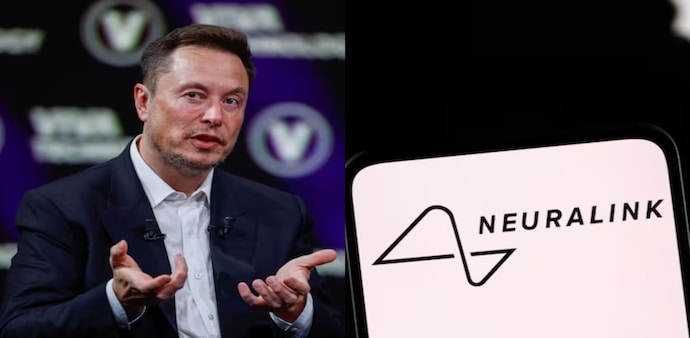
- Jan 2, 2026,
- Updated Jan 2, 2026 12:30 PM IST
Elon Musk has announced that Neuralink aims to commence high-volume production of its brain-computer interface (BCI) devices by 2026. The billionaire entrepreneur shared the timeline via a post on his social media platform, X, following significant advancements in the company's clinical trials and surgical automation.
According to Musk, the company intends to transition to a fully automated surgical procedure within the next year. This process involves a specialised robotic system designed to insert "threads" of flexible sensors thinner than a human hair into the brain’s motor cortex. A key technical milestone cited by Musk is the robot’s ability to guide these threads through the dura, the brain’s protective outer membrane, without needing to remove it. He noted that this development should make the procedure as routine as laser eye surgery.
Neuralink’s technology is designed to restore autonomy to individuals with severe neurological conditions, such as spinal cord injuries and amyotrophic lateral sclerosis (ALS). Since the first human implantation in early 2024, the company has successfully performed the procedure on 12 patients globally. These participants have demonstrated the ability to control digital cursors, play video games, and operate robotic limbs through thought alone.
The push toward mass manufacturing follows a $650 million Series E funding round in June 2025, which valued the neurotechnology firm at approximately $9 billion. This capital is being utilised to expand manufacturing infrastructure and accelerate the pace of clinical studies.
While the BCI sector remains competitive, with several firms developing restorative neural hardware, Neuralink’s focus on high-volume production and robotic precision aims to scale the technology for broader medical use. Musk indicated that the 2026 target for volume production is a critical step in making brain-interface technology widely available to patients in need. At present, the company continues to refine its hardware and surgical software to ensure long-term stability and safety.
For Unparalleled coverage of India's Businesses and Economy – Subscribe to Business Today Magazine
Elon Musk has announced that Neuralink aims to commence high-volume production of its brain-computer interface (BCI) devices by 2026. The billionaire entrepreneur shared the timeline via a post on his social media platform, X, following significant advancements in the company's clinical trials and surgical automation.
According to Musk, the company intends to transition to a fully automated surgical procedure within the next year. This process involves a specialised robotic system designed to insert "threads" of flexible sensors thinner than a human hair into the brain’s motor cortex. A key technical milestone cited by Musk is the robot’s ability to guide these threads through the dura, the brain’s protective outer membrane, without needing to remove it. He noted that this development should make the procedure as routine as laser eye surgery.
Neuralink’s technology is designed to restore autonomy to individuals with severe neurological conditions, such as spinal cord injuries and amyotrophic lateral sclerosis (ALS). Since the first human implantation in early 2024, the company has successfully performed the procedure on 12 patients globally. These participants have demonstrated the ability to control digital cursors, play video games, and operate robotic limbs through thought alone.
The push toward mass manufacturing follows a $650 million Series E funding round in June 2025, which valued the neurotechnology firm at approximately $9 billion. This capital is being utilised to expand manufacturing infrastructure and accelerate the pace of clinical studies.
While the BCI sector remains competitive, with several firms developing restorative neural hardware, Neuralink’s focus on high-volume production and robotic precision aims to scale the technology for broader medical use. Musk indicated that the 2026 target for volume production is a critical step in making brain-interface technology widely available to patients in need. At present, the company continues to refine its hardware and surgical software to ensure long-term stability and safety.
For Unparalleled coverage of India's Businesses and Economy – Subscribe to Business Today Magazine