
Explained: How SpaceX’s Stargaze system aims to prevent satellite collisions
Stargaze is designed to improve transparency and cooperation in low-Earth orbit, where the number of satellites has surged in recent years. Under this initiative, SpaceX’s Starlink division will share conjunction data with all satellite operators free of cost.
- Feb 1, 2026,
- Updated Feb 1, 2026 9:30 PM IST
As Earth’s orbit becomes increasingly crowded with satellites and space debris, SpaceX has unveiled a new initiative aimed at improving safety and sustainability in space operations. Called Stargaze, the system is SpaceX’s latest move to strengthen Space Situational Awareness (SSA) across the global space community.
Space situational awareness refers to a sophisticated network of sensors, data systems and analytical software used to track objects orbiting the Earth. These objects include active satellites, defunct spacecraft and fragments of debris. The goal is to monitor their movement accurately to prevent collisions and ensure the long-term safety of orbital operations.
What will SpaceX’s Stargaze do?
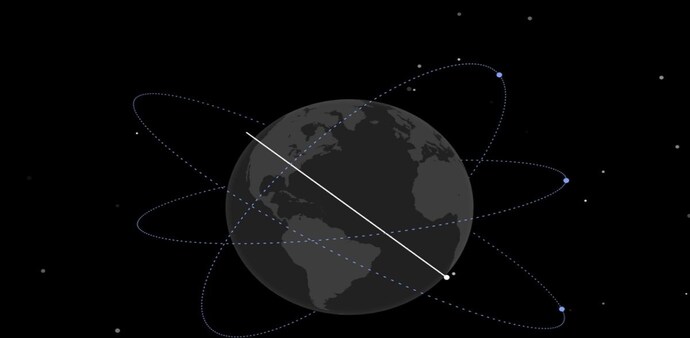
Stargaze is designed to improve transparency and cooperation in low-Earth orbit, where the number of satellites has surged in recent years. Under this initiative, SpaceX’s Starlink division will share conjunction data with all satellite operators free of cost.
Conjunction data helps identify when two space objects may come dangerously close to each other. By making this information openly available, SpaceX aims to encourage other operators to adopt similar data-sharing practices.
The system will also provide precise ephemeris data, which contains detailed information about the position and movement of satellites. This allows operators to better predict orbital paths and make timely manoeuvres when required.
Stargaze will include conjunction screening services — specialised aerospace safety tools that analyse the future positions of satellites and other resident space objects. These services flag potential close approaches well in advance, reducing the risk of accidental collisions that could generate more debris and threaten future missions.
How is SpaceX making space safer for everyone?
By removing cost barriers to high-quality orbital tracking data, SpaceX is positioning Stargaze as a public-good initiative for the global space industry. The move aligns with long-standing calls from NASA and other international agencies for greater openness and collaboration to protect the space environment.
As satellite deployments continue to rise, such collective safety measures are becoming critical. With Stargaze, SpaceX is translating advocacy for open data sharing into a working system — one aimed at keeping Earth’s orbit safe, sustainable and accessible for future generations.
For Unparalleled coverage of India's Businesses and Economy – Subscribe to Business Today Magazine
As Earth’s orbit becomes increasingly crowded with satellites and space debris, SpaceX has unveiled a new initiative aimed at improving safety and sustainability in space operations. Called Stargaze, the system is SpaceX’s latest move to strengthen Space Situational Awareness (SSA) across the global space community.
Space situational awareness refers to a sophisticated network of sensors, data systems and analytical software used to track objects orbiting the Earth. These objects include active satellites, defunct spacecraft and fragments of debris. The goal is to monitor their movement accurately to prevent collisions and ensure the long-term safety of orbital operations.
What will SpaceX’s Stargaze do?
Stargaze is designed to improve transparency and cooperation in low-Earth orbit, where the number of satellites has surged in recent years. Under this initiative, SpaceX’s Starlink division will share conjunction data with all satellite operators free of cost.
Conjunction data helps identify when two space objects may come dangerously close to each other. By making this information openly available, SpaceX aims to encourage other operators to adopt similar data-sharing practices.
The system will also provide precise ephemeris data, which contains detailed information about the position and movement of satellites. This allows operators to better predict orbital paths and make timely manoeuvres when required.
Stargaze will include conjunction screening services — specialised aerospace safety tools that analyse the future positions of satellites and other resident space objects. These services flag potential close approaches well in advance, reducing the risk of accidental collisions that could generate more debris and threaten future missions.
How is SpaceX making space safer for everyone?
By removing cost barriers to high-quality orbital tracking data, SpaceX is positioning Stargaze as a public-good initiative for the global space industry. The move aligns with long-standing calls from NASA and other international agencies for greater openness and collaboration to protect the space environment.
As satellite deployments continue to rise, such collective safety measures are becoming critical. With Stargaze, SpaceX is translating advocacy for open data sharing into a working system — one aimed at keeping Earth’s orbit safe, sustainable and accessible for future generations.
For Unparalleled coverage of India's Businesses and Economy – Subscribe to Business Today Magazine