
Fake adult apps are targeting Android users to steal money: Government issues warning
MHA’s warning highlights how seemingly harmless online content can become a gateway for malicious software, putting Android users’ devices, personal data and finances at risk.
- Sep 1, 2026,
- Updated Sep 1, 2026 2:59 PM IST
Smartphone users are increasingly being exposed to apps and online advertisements that appear legitimate but can hide serious security risks. A new warning highlights how seemingly attractive digital content can be used to persuade people into installing software from sources they may not normally trust.
Must Read: Meta blocks hidden filming on AI glasses amid safety scrutiny; Users found a loophole
Once installed, such applications can seek powerful permissions and create security problems on a device. If you come across an unfamiliar app promoted through social media or a website, paying attention to its source and requested permissions is important. The Ministry of Home Affairs (MHA) has issued specific guidance to help users avoid such risks.
Fake apps promoted through social media
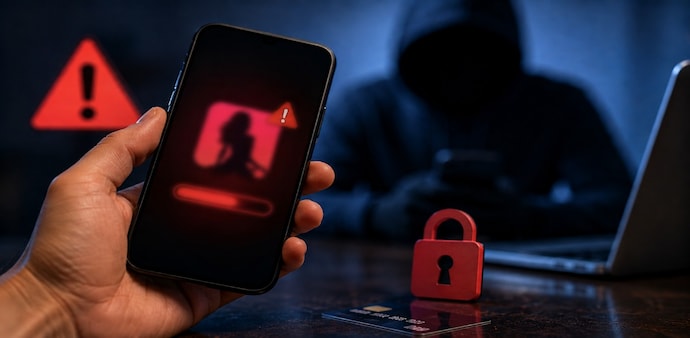
The National Cybercrime Threat Analytics Unit of the Ministry of Home Affairs has warned people about malicious Android applications masquerading as pornography apps. The Ministry said these apps are mainly being circulated through advertisements on Facebook and Instagram.
Must Read: Festive sales are heating up, but so are online shopping scams: How to stay safe
They have appeared under names including Night Play, Reloop, Kyss, Vimo, Rivo, Nexo and Vixa, along with similar variants. Clicking these advertisements can redirect users to websites containing pornographic content, where they are prompted to download APK files from outside the Google Play Store.
Accessibility permission poses a risk
Once installed, the applications can request access to sensitive permissions and Accessibility. According to the Ministry, this could allow attackers to take control of a device and potentially carry out financial fraud.
Some applications may also download additional packages while posing as updates. They can install a VPN that routes internet traffic through attacker-controlled servers and may prevent users from uninstalling the malicious app through device settings.
MHA's advice to users
To stay safe, the Ministry recommends downloading software exclusively from the Google Play Store or other verified platforms. Avoid installing APK files obtained from advertisements, unfamiliar websites or questionable links and never grant Accessibility permissions to untrusted applications.
Be sure to check your device to ensure any suspicious application is fully uninstalled. If an app refuses to delete or reappears upon rebooting, the Ministry suggests creating a backup of your essential files and executing a Factory Reset.
For Unparalleled coverage of India's Businesses and Economy – Subscribe to Business Today Magazine
Smartphone users are increasingly being exposed to apps and online advertisements that appear legitimate but can hide serious security risks. A new warning highlights how seemingly attractive digital content can be used to persuade people into installing software from sources they may not normally trust.
Must Read: Meta blocks hidden filming on AI glasses amid safety scrutiny; Users found a loophole
Once installed, such applications can seek powerful permissions and create security problems on a device. If you come across an unfamiliar app promoted through social media or a website, paying attention to its source and requested permissions is important. The Ministry of Home Affairs (MHA) has issued specific guidance to help users avoid such risks.
Fake apps promoted through social media
The National Cybercrime Threat Analytics Unit of the Ministry of Home Affairs has warned people about malicious Android applications masquerading as pornography apps. The Ministry said these apps are mainly being circulated through advertisements on Facebook and Instagram.
Must Read: Festive sales are heating up, but so are online shopping scams: How to stay safe
They have appeared under names including Night Play, Reloop, Kyss, Vimo, Rivo, Nexo and Vixa, along with similar variants. Clicking these advertisements can redirect users to websites containing pornographic content, where they are prompted to download APK files from outside the Google Play Store.
Accessibility permission poses a risk
Once installed, the applications can request access to sensitive permissions and Accessibility. According to the Ministry, this could allow attackers to take control of a device and potentially carry out financial fraud.
Some applications may also download additional packages while posing as updates. They can install a VPN that routes internet traffic through attacker-controlled servers and may prevent users from uninstalling the malicious app through device settings.
MHA's advice to users
To stay safe, the Ministry recommends downloading software exclusively from the Google Play Store or other verified platforms. Avoid installing APK files obtained from advertisements, unfamiliar websites or questionable links and never grant Accessibility permissions to untrusted applications.
Be sure to check your device to ensure any suspicious application is fully uninstalled. If an app refuses to delete or reappears upon rebooting, the Ministry suggests creating a backup of your essential files and executing a Factory Reset.
For Unparalleled coverage of India's Businesses and Economy – Subscribe to Business Today Magazine