
India’s R&D gap: FM Sitharaman says ₹1 lakh crore scheme must boost private-sector innovation
FM Sitharaman highlighted the gap in India’s R&D spending, noting that the country spends 0.83% of GDP on research and development, compared with 2.7% for the OECD.
- Oct 3, 2026,
- Updated Oct 3, 2026 6:15 PM IST
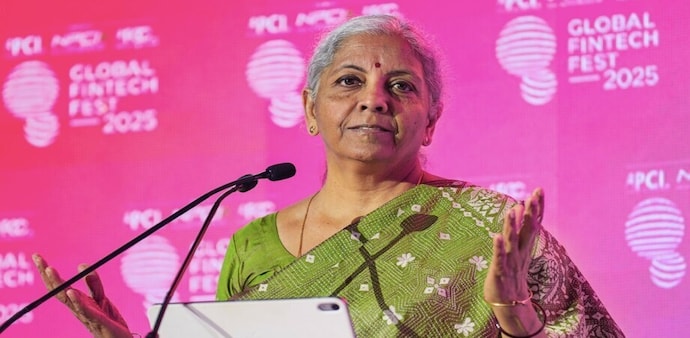
India needs a stronger private-sector role in research and development as it seeks to strengthen innovation and productivity, Finance Minister Nirmala Sitharaman said at the Kautilya Economic Conclave 2026.
Sitharaman highlighted the gap in India’s R&D spending, noting that the country spends 0.83% of GDP on research and development, compared with 2.7% for the OECD. The private sector contributes only 36% of India’s total R&D expenditure, pointing to the relatively limited role of businesses in the country’s research ecosystem.
“Raising both the scale of investment and private sector participation is essential to strengthening our innovation capacity,” Sitharaman said.
She said private investment must now lead the next cycle of growth, including in research and innovation. The emphasis marks a shift from relying primarily on public support towards encouraging businesses to play a larger role in developing technologies and commercialising research.
₹1 lakh crore RDI scheme
The government’s ₹1 lakh crore Research, Development and Innovation (RDI) Scheme is designed to support this shift. The initiative seeks to strengthen India’s capacity to develop new technologies and translate research into economic activity.
Sitharaman said the objective is to move from “Made in India” to “Imagined and Made in India.” The formulation places greater emphasis on developing ideas, technologies and products within India, rather than focusing primarily on domestic manufacturing.
The RDI push comes as technological capabilities become increasingly important to economic competitiveness and resilience. The Finance Minister identified strategic resource security, semiconductors and other critical technologies among areas where India needs to build greater domestic capability.
AI is changing the skills and innovation landscape
The Finance Minister also linked the innovation agenda to changes in the labour market. AI and frontier technologies are reshaping workplaces, work processes and the competencies required for employment.
“We must equip young people entering the workforce and support those already employed to upgrade their skills, acquire new capabilities, and move into emerging roles,” she said.
Sitharaman called for industry to play a greater role in designing and delivering training through partnerships with educational institutions, apprenticeships and workplace learning.
Training, she said, should combine digital and AI competencies with professional knowledge and judgement, while continuous learning should become accessible throughout a person’s working life.
Private industry’s role will be critical
For India, the challenge is not only to increase R&D spending but also to strengthen the connection between research, industry and economic outcomes. Greater participation by companies could help translate research capabilities into commercially viable technologies and products.
The government’s RDI initiative, alongside a stronger role for industry in research and skills development, forms part of the broader strategy outlined by the Finance Minister to raise productivity and expand economic opportunity.
Sitharaman said India’s objective is to build the capabilities needed to participate more fully in technological progress and translate innovation into “higher productivity, better employment and greater economic opportunity.”
For Unparalleled coverage of India's Businesses and Economy – Subscribe to Business Today Magazine
India needs a stronger private-sector role in research and development as it seeks to strengthen innovation and productivity, Finance Minister Nirmala Sitharaman said at the Kautilya Economic Conclave 2026.
Sitharaman highlighted the gap in India’s R&D spending, noting that the country spends 0.83% of GDP on research and development, compared with 2.7% for the OECD. The private sector contributes only 36% of India’s total R&D expenditure, pointing to the relatively limited role of businesses in the country’s research ecosystem.
“Raising both the scale of investment and private sector participation is essential to strengthening our innovation capacity,” Sitharaman said.
She said private investment must now lead the next cycle of growth, including in research and innovation. The emphasis marks a shift from relying primarily on public support towards encouraging businesses to play a larger role in developing technologies and commercialising research.
₹1 lakh crore RDI scheme
The government’s ₹1 lakh crore Research, Development and Innovation (RDI) Scheme is designed to support this shift. The initiative seeks to strengthen India’s capacity to develop new technologies and translate research into economic activity.
Sitharaman said the objective is to move from “Made in India” to “Imagined and Made in India.” The formulation places greater emphasis on developing ideas, technologies and products within India, rather than focusing primarily on domestic manufacturing.
The RDI push comes as technological capabilities become increasingly important to economic competitiveness and resilience. The Finance Minister identified strategic resource security, semiconductors and other critical technologies among areas where India needs to build greater domestic capability.
AI is changing the skills and innovation landscape
The Finance Minister also linked the innovation agenda to changes in the labour market. AI and frontier technologies are reshaping workplaces, work processes and the competencies required for employment.
“We must equip young people entering the workforce and support those already employed to upgrade their skills, acquire new capabilities, and move into emerging roles,” she said.
Sitharaman called for industry to play a greater role in designing and delivering training through partnerships with educational institutions, apprenticeships and workplace learning.
Training, she said, should combine digital and AI competencies with professional knowledge and judgement, while continuous learning should become accessible throughout a person’s working life.
Private industry’s role will be critical
For India, the challenge is not only to increase R&D spending but also to strengthen the connection between research, industry and economic outcomes. Greater participation by companies could help translate research capabilities into commercially viable technologies and products.
The government’s RDI initiative, alongside a stronger role for industry in research and skills development, forms part of the broader strategy outlined by the Finance Minister to raise productivity and expand economic opportunity.
Sitharaman said India’s objective is to build the capabilities needed to participate more fully in technological progress and translate innovation into “higher productivity, better employment and greater economic opportunity.”
For Unparalleled coverage of India's Businesses and Economy – Subscribe to Business Today Magazine