
Nvidia H200 chips reach Chinese universities despite US export ban: Report
A Chinese university affiliated with the People's Liberation Army has obtained Nvidia's advanced H200 AI chips through local suppliers, circumventing US export restrictions.
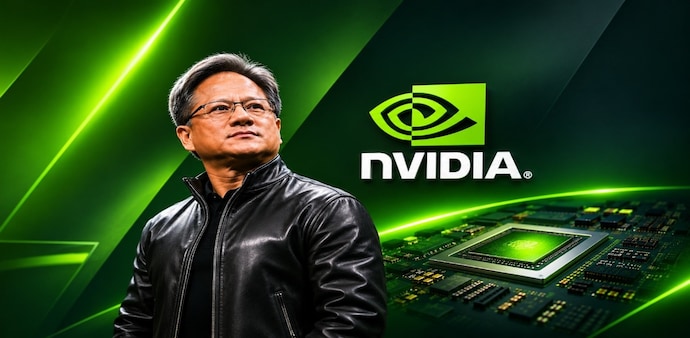
- Nov 12, 2026,
- Updated Nov 12, 2026 3:00 PM IST
Nvidia and CEO Jensen Huang are facing scrutiny over allegedly exporting advanced AI chips to China. In a recent development, a Chinese university with close links to the People's Liberation Army (PLA) purchased Nvidia's powerful H200 AI chips in October 2026, despite being on the US government's export blacklist.
The H200 is said to be one of Nvidia's powerful AI processors, which is designed to handle demanding AI workloads. But despite US restrictions, the purchase was made by the Chinese university, and it was reportedly made through Chinese suppliers rather than directly from Nvidia, as per a Reuters report.
The report suggests that there’s a third-party suppliers and resale networks who is helping Chinese institutions access advanced American technology despite US export restrictions. The revelation comes at a time when Nvidia’s Jensen Huang is facing increased scrutiny in Washington over espionage controversy.
Reuters cited a procurement record published on the Northwestern Polytechnical University website, dated October 21, that stated the university purchased 2 Nvidia H200 processors worth 874,700 yuan (approx $123,000) from a supplier named Shaanxi Bosuan Network Technology, which is a Chinese company.
The named university belongs to China's Seven Sons of National Defence, a group of seven universities known for conducting defence-related research for the Chinese government. Hence, the purchase of Nvidia's H200 processors raises risks for national security.
Must read: Trump orders crackdown on Nvidia chip smuggling to China, with Musk’s input
What makes the case more serious is that the university not only purchased the two physical H200 chips, but the procurement records show that it also signed five contracts this year with Chinese companies to rent computing capacity powered by H200 chips and other powerful Nvidia AI processors. Furthermore, the report revealed that the US blacklisted this Chinese university in 2001 and has faced stricter export restrictions since 2019, creating further concerns over exports. This also highlights potential weakness in US export controls.
For Unparalleled coverage of India's Businesses and Economy – Subscribe to Business Today Magazine