
₹64 crore cyber scam unravels after teen behind AI-driven fake banking apps arrested by Surat police
Shakya sold the malware to cyber fraud gangs through a subscription-based model, charging between ₹10,000 and ₹15,000 per month
- Jul 22, 2026,
- Updated Jul 22, 2026 1:30 PM IST
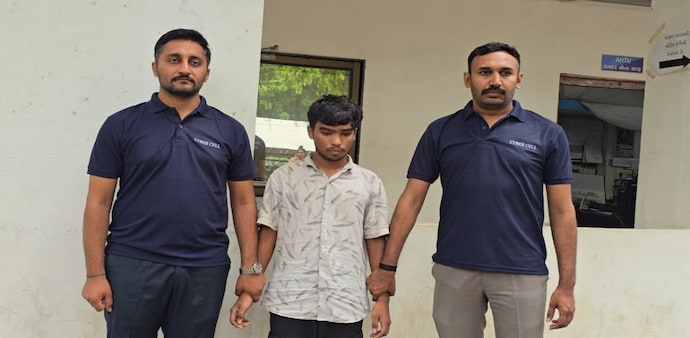
Surat Police have arrested an 18-year-old accused of allegedly running an AI-assisted cyber fraud operation that investigators say enabled scams worth over ₹64 crore across India. According to an India Today, the teenager allegedly created malicious Android APK files that mimicked banking and government applications, allowing cybercriminals to steal victims' banking credentials and empty their accounts.Teen built malware using AI The accused, identified as Rohit Virendra Singh Shakya from Uttar Pradesh, is a Class 11 dropout. Police claim he learned coding through YouTube videos and AI tools before developing sophisticated malicious applications for cybercrime syndicates.
READ THIS: Fake airline jobs, fake insurance payouts: Noida police bust call centres targeting job seekers Police said the teenager supplied these APK files to cybercriminals operating in cybercrime hotspots, including Jamtara (Jharkhand), Haryana, and Rajasthan, where they were allegedly used to target unsuspecting victims.Fake APK files According to the investigation, the accused developed 121 fake APK applications that impersonated popular banking, payment, and government service apps. Once installed on a victim's Android phone, the malware reportedly gave fraudsters remote access to sensitive information, including OTPs, banking passwords, and personal data. Police said the malicious apps reported that 21,672 mobile phones had the malicious apps installed, resulting in over 21,672 mobile phones, leading to more than 54,000 fraudulent banking transactions. Authorities estimate the total fraud linked to the network at approximately ₹64.38 crore.Surat to nationwide probe The investigation began after a businessman from Surat's Adajan area allegedly lost ₹5 lakh after downloading a fake "PNB One.apk" file sent via WhatsApp. Believing it to be a genuine banking application, the victim installed it, following which cybercriminals allegedly gained access to his phone and bank account, according to India Today. The victim reported the incident through the national cybercrime helpline 1930, prompting Surat Cyber Crime Police to launch a technical investigation that eventually traced the accused to a hotel in Kanpur, where he was arrested.
ALSO READ: Sambit Patra's WhatsApp hacked; scammers demanded cash from contacts via QR code Subscription model for cybercriminals Police alleged that Shakya sold the malware to cyber fraud gangs through a subscription-based model, charging between ₹10,000 and ₹15,000 per month. Police believe he maintained separate applications for victims and administrators, enabling cybercriminals to remotely monitor infected devices and extract financial credentials. Authorities seized two mobile phones and a laptop from the accused. A forensic examination of the devices is underway to identify additional victims, accomplices, and possible interstate links.
For Unparalleled coverage of India's Businesses and Economy – Subscribe to Business Today Magazine
Surat Police have arrested an 18-year-old accused of allegedly running an AI-assisted cyber fraud operation that investigators say enabled scams worth over ₹64 crore across India. According to an India Today, the teenager allegedly created malicious Android APK files that mimicked banking and government applications, allowing cybercriminals to steal victims' banking credentials and empty their accounts.Teen built malware using AI The accused, identified as Rohit Virendra Singh Shakya from Uttar Pradesh, is a Class 11 dropout. Police claim he learned coding through YouTube videos and AI tools before developing sophisticated malicious applications for cybercrime syndicates.
READ THIS: Fake airline jobs, fake insurance payouts: Noida police bust call centres targeting job seekers Police said the teenager supplied these APK files to cybercriminals operating in cybercrime hotspots, including Jamtara (Jharkhand), Haryana, and Rajasthan, where they were allegedly used to target unsuspecting victims.Fake APK files According to the investigation, the accused developed 121 fake APK applications that impersonated popular banking, payment, and government service apps. Once installed on a victim's Android phone, the malware reportedly gave fraudsters remote access to sensitive information, including OTPs, banking passwords, and personal data. Police said the malicious apps reported that 21,672 mobile phones had the malicious apps installed, resulting in over 21,672 mobile phones, leading to more than 54,000 fraudulent banking transactions. Authorities estimate the total fraud linked to the network at approximately ₹64.38 crore.Surat to nationwide probe The investigation began after a businessman from Surat's Adajan area allegedly lost ₹5 lakh after downloading a fake "PNB One.apk" file sent via WhatsApp. Believing it to be a genuine banking application, the victim installed it, following which cybercriminals allegedly gained access to his phone and bank account, according to India Today. The victim reported the incident through the national cybercrime helpline 1930, prompting Surat Cyber Crime Police to launch a technical investigation that eventually traced the accused to a hotel in Kanpur, where he was arrested.
ALSO READ: Sambit Patra's WhatsApp hacked; scammers demanded cash from contacts via QR code Subscription model for cybercriminals Police alleged that Shakya sold the malware to cyber fraud gangs through a subscription-based model, charging between ₹10,000 and ₹15,000 per month. Police believe he maintained separate applications for victims and administrators, enabling cybercriminals to remotely monitor infected devices and extract financial credentials. Authorities seized two mobile phones and a laptop from the accused. A forensic examination of the devices is underway to identify additional victims, accomplices, and possible interstate links.
For Unparalleled coverage of India's Businesses and Economy – Subscribe to Business Today Magazine