
World Bank warns against mandatory digital wallets: Could millions be excluded from essential services?
World Bank warns against mandatory digital wallets: Could millions be excluded from essential services?
The World Bank has cautioned governments against making smartphone-based digital wallets compulsory for accessing essential services, warning that such systems could exclude vulnerable citizens. The report calls for alternative access mechanisms to ensure digital transformation does not leave anyone behind.
Business Today Desk
- Nov 10, 2026,
- Updated Nov 10, 2026 5:55 AM IST
As governments increasingly digitise identity verification, welfare delivery and public services, the World Bank has raised an important concern: what happens to people who cannot afford smartphones, lack internet connectivity or struggle to use digital applications?
In its 2026 report, Digital Wallets: Implementation — Practical Guidance for Deploying Wallets at National Scale, the World Bank argues that digital wallets should improve access to services rather than become another barrier.
Advertisement
The report states that "digital wallets must not become a prerequisite for accessing essential services."
The warning is particularly relevant for countries such as India, where digital identity and technology-enabled government services have become integral to public administration.
What are digital wallets, and why do they matter?
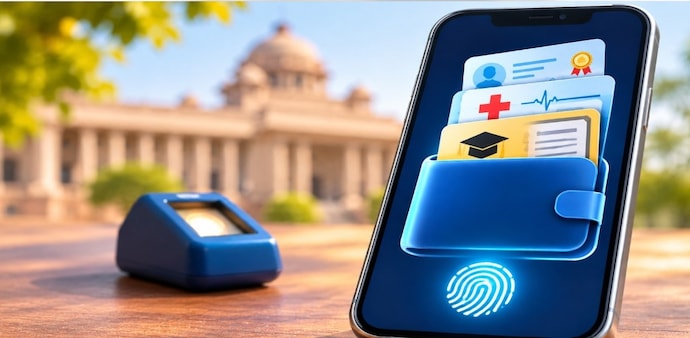
Unlike payment applications such as UPI wallets, the digital wallets discussed in the report are designed to securely store, manage and share verified credentials.
These could include identity documents, driving licences, educational certificates, medical records, proof of bank account ownership and other government-issued credentials.
Instead of repeatedly submitting physical documents, citizens could present digitally verifiable information to banks, hospitals, universities or government departments.
Advertisement
The World Bank believes such systems can improve efficiency, reduce fraud and strengthen individuals' control over their personal information.
However, these advantages depend on whether citizens can actually access and use the technology.
Who risks being excluded?
The report identifies several vulnerable groups, including elderly citizens, low-income households and individuals with limited digital literacy.
People who cannot afford smartphones or maintain reliable internet connections may struggle to use mobile-based credentials.
Even those who own smartphones may face difficulties navigating applications, completing authentication procedures or recovering access after losing their devices.
The World Bank notes that these challenges exist not only in developing economies but also among disadvantaged populations in wealthier countries.
It therefore cautions that digital wallets are not an immediate replacement for every existing identity credential.
Advertisement
What alternatives does the World Bank recommend?
The report recommends maintaining multiple ways to access essential services.
These include physical identity cards containing digital chips, cloud-based wallets and verifiable credentials printed on paper.
Such alternatives could allow citizens to establish their identity without depending exclusively on smartphones.
The underlying principle is that governments should digitise services without making digital participation compulsory.
Why is this important for India?
India already operates extensive digital infrastructure through Aadhaar, DigiLocker and technology-enabled government benefit delivery systems.
ALSO READ: Aadhaar, UPI put India among World’s Top 10 reform success stories: CareEdge report
DigiLocker allows users to access digital documents, while Aadhaar supports identity authentication across various services.
However, the World Bank's report does not specifically evaluate India's platforms or conclude that they are excluding beneficiaries.
Its recommendations nevertheless raise important policy questions for India: Can citizens access welfare benefits when biometric authentication fails? Are offline alternatives available? Can elderly beneficiaries complete essential procedures without smartphones?
These questions are especially significant for pensions, subsidies, healthcare and other services on which vulnerable households depend.
Advertisement
What is the broader message?
The World Bank recommends that governments prioritise inclusion, accessibility and user needs when designing digital wallet ecosystems.
It also advocates phased implementation, open standards and continuous improvements rather than rushing nationwide deployment.
The central takeaway is straightforward: digital identity can make public services faster and more efficient, but access to essential benefits should never depend solely on owning a smartphone or possessing digital skills.
For Unparalleled coverage of India's Businesses and Economy – Subscribe to Business Today Magazine
Read more!