
'Humanity’s last personal device': Temple founder Deepinder Goyal shares vision for AI wearable
The company says the device is intended to support privacy by keeping conversations encrypted end-to-end and preventing them from reaching a model company
- Nov 7, 2026,
- Updated Nov 7, 2026 2:27 PM IST
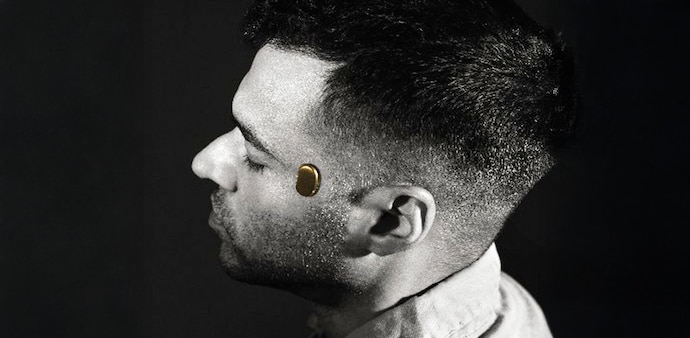
Deepinder Goyal, founder of Temple, has unveiled an ambitious vision for a new AI-powered wearable device designed to function as a personal companion without requiring a screen.
Goyal described Temple as “humanity’s last personal device”, positioning it as an alternative to conventional smartphones and other screen-based interfaces. The device is expected to begin shipping in 2027, with artificial intelligence and health monitoring among its key features.
In a post on X, Goyal said the project was ambitious and acknowledged that the team was determined to build it. “Temple is an ambitious project. The team is delusional enough to think we can build this. And we will,” he wrote, inviting people to join the journey.
Introducing a room-deaf voice AI companion
According to the product description shared by Temple, the wearable is designed to introduce a new category of voice AI companion. The device can hear conversations without recording them, addressing privacy concerns associated with conventional microphones and voice assistants.
Temple describes its approach as “roomdeaf voice AI”. The device is designed to understand the user's voice and convert it into text while ignoring surrounding conversations. It does not have a microphone in the traditional sense, and the company says it cannot hear other people in the room.
The wearable is designed to operate through a double-tap interaction. Users can tap the device twice to activate it, with a small buzz confirming that it is listening. Another double tap ends the interaction. Temple says the device is non-invasive and uses medical-grade tapes, called Grips, designed for continuous daily wear. These are intended to be changed weekly.
A personal assistant without a screen
Temple's proposed features extend beyond voice interactions. The device is designed to capture ideas, reminders, birthdays, anniversaries and personal notes, allowing users to retrieve information without relying on a smartphone.
It could also help users remember appointments, maintain to-do lists and record everyday details. The product description suggests that Temple could eventually identify patterns in personal notes, such as recurring headaches, dizziness or other observations that users may want to discuss with a doctor.
The company says the device is intended to support privacy by keeping conversations encrypted end-to-end and preventing them from reaching a model company. Temple also states that it does not intend to sell users' data for advertising.
Health monitoring at the centre of Temple
Health tracking is another major focus. Temple says the device is designed to capture health and wellness signals, including heart rate, heart rate variability, VO2 max and related indicators.
The company also describes plans for features such as snoring detection, sleep insights, continuous core body temperature monitoring and calorie tracking. Temple says its AI system will analyse information throughout the day.
Goyal described Temple as a long-term project driven by research and development, with the goal of creating a screen-free AI companion. The company said Temple 01, shipping in 2027 with AI and health features, would be the beginning of its broader vision.
For Unparalleled coverage of India's Businesses and Economy – Subscribe to Business Today Magazine