
OpenAI kills Sora as Sam Altman bets the company on coders, not creators
The Sora shutdown has collateral damage. In December, Disney announced a billion-dollar investment in OpenAI. That deal is now off.
- Mar 25, 2026,
- Updated Mar 25, 2026 11:08 AM IST
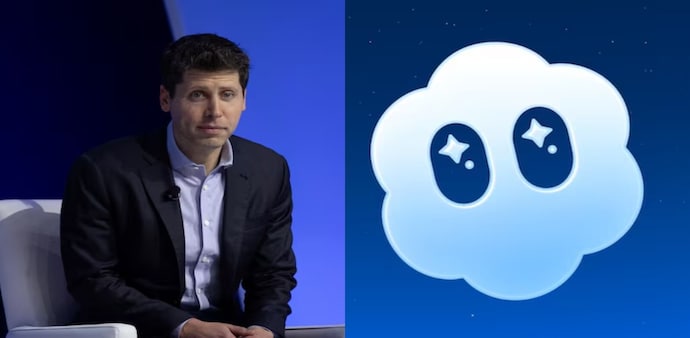
OpenAI is discontinuing Sora, its text-to-video platform that launched last September with much hype. The shutdown covers the consumer-facing app, the developer API, and video generation features inside ChatGPT.
Chief Executive Sam Altman informed staff of the decision this week, marking the end of what had been one of the company's more visible consumer bets.
Why is OpenAI shutting down Sora now?
The move is part of a broader strategic reorientation at OpenAI as it prepares for a potential initial public offering as early as the fourth quarter of this year. The company is redirecting computing resources and engineering talent toward productivity tools, particularly those that serve enterprise clients and software developers, at the expense of consumer products that have yet to demonstrate clear revenue potential.
In an all-hands meeting earlier this month, OpenAI's applications chief Fidji Simo reportedly told employees they could not afford to be distracted by what she called 'side quests.' The message was clear: focus on what pays. What is OpenAI pivoting toward?
Last week, OpenAI announced it was merging its ChatGPT desktop app, its Codex coding tool and its browser into a single superapp. The company is also ramping up its development of what the industry calls agentic systems. These are the capabilities enterprise customers are most willing to pay for.
What triggered the strategic reset?
There were both internal and external reasons. Altman had warned of a “code red” as competition intensified, especially from rivals targeting enterprise AI.
Inside the company, Sora raised concerns about how resources were being used. It required a lot of compute and talent but did not show clear long-term demand.
It also faced early backlash over copyright and likeness issues. Sora launched without strong safeguards, leading to criticism from Hollywood studios and creators. OpenAI quickly added controls to let content owners block the use of their intellectual property.
What happens to the Disney deal?
The Sora shutdown has collateral damage. In December, Disney announced a billion-dollar investment in OpenAI, with a licensing agreement covering more than 200 characters that users could incorporate into AI-generated videos. That deal is now off.
Who benefits from OpenAI's change of direction?
Anthropic, OpenAI's closest rival in the enterprise and developer space, is the immediate beneficiary of the strategic clarity. OpenAI has explicitly framed its pivot as an effort to catch up with Anthropic in winning the business of coders and large organisations.
Google DeepMind and startups like Runway and Pika, which have continued to invest in AI video generation, may also gain ground in a market OpenAI is now vacating.
Is OpenAI exiting the AI video space entirely?
No. OpenAI is shutting Sora as a standalone product, but is not abandoning video generation.
Video tools are likely to remain inside ChatGPT and other products, where they can support broader workflows instead of existing as a separate app.
What happens to the Sora team?
Talent and compute are being redirected toward long-term bets, including robotics and advanced AI systems.
These areas align more closely with OpenAI’s ambition to build general-purpose intelligence that can operate across digital and physical environments.
What does this mean for OpenAI’s IPO ambitions?
OpenAI is aiming to go public as early as the fourth quarter of this year. The shutdown of Sora, the move to a single “superapp,” and internal messaging about cutting “side quests” all suggest the same thing: the company is simplifying its business for investors.
The collapse of the Disney deal is the most visible downside of this shift. The key question now is whether investors will see this sharper focus as a positive or wonder why OpenAI invested so much in Sora to begin with.
For Unparalleled coverage of India's Businesses and Economy – Subscribe to Business Today Magazine
OpenAI is discontinuing Sora, its text-to-video platform that launched last September with much hype. The shutdown covers the consumer-facing app, the developer API, and video generation features inside ChatGPT.
Chief Executive Sam Altman informed staff of the decision this week, marking the end of what had been one of the company's more visible consumer bets.
Why is OpenAI shutting down Sora now?
The move is part of a broader strategic reorientation at OpenAI as it prepares for a potential initial public offering as early as the fourth quarter of this year. The company is redirecting computing resources and engineering talent toward productivity tools, particularly those that serve enterprise clients and software developers, at the expense of consumer products that have yet to demonstrate clear revenue potential.
In an all-hands meeting earlier this month, OpenAI's applications chief Fidji Simo reportedly told employees they could not afford to be distracted by what she called 'side quests.' The message was clear: focus on what pays. What is OpenAI pivoting toward?
Last week, OpenAI announced it was merging its ChatGPT desktop app, its Codex coding tool and its browser into a single superapp. The company is also ramping up its development of what the industry calls agentic systems. These are the capabilities enterprise customers are most willing to pay for.
What triggered the strategic reset?
There were both internal and external reasons. Altman had warned of a “code red” as competition intensified, especially from rivals targeting enterprise AI.
Inside the company, Sora raised concerns about how resources were being used. It required a lot of compute and talent but did not show clear long-term demand.
It also faced early backlash over copyright and likeness issues. Sora launched without strong safeguards, leading to criticism from Hollywood studios and creators. OpenAI quickly added controls to let content owners block the use of their intellectual property.
What happens to the Disney deal?
The Sora shutdown has collateral damage. In December, Disney announced a billion-dollar investment in OpenAI, with a licensing agreement covering more than 200 characters that users could incorporate into AI-generated videos. That deal is now off.
Who benefits from OpenAI's change of direction?
Anthropic, OpenAI's closest rival in the enterprise and developer space, is the immediate beneficiary of the strategic clarity. OpenAI has explicitly framed its pivot as an effort to catch up with Anthropic in winning the business of coders and large organisations.
Google DeepMind and startups like Runway and Pika, which have continued to invest in AI video generation, may also gain ground in a market OpenAI is now vacating.
Is OpenAI exiting the AI video space entirely?
No. OpenAI is shutting Sora as a standalone product, but is not abandoning video generation.
Video tools are likely to remain inside ChatGPT and other products, where they can support broader workflows instead of existing as a separate app.
What happens to the Sora team?
Talent and compute are being redirected toward long-term bets, including robotics and advanced AI systems.
These areas align more closely with OpenAI’s ambition to build general-purpose intelligence that can operate across digital and physical environments.
What does this mean for OpenAI’s IPO ambitions?
OpenAI is aiming to go public as early as the fourth quarter of this year. The shutdown of Sora, the move to a single “superapp,” and internal messaging about cutting “side quests” all suggest the same thing: the company is simplifying its business for investors.
The collapse of the Disney deal is the most visible downside of this shift. The key question now is whether investors will see this sharper focus as a positive or wonder why OpenAI invested so much in Sora to begin with.
For Unparalleled coverage of India's Businesses and Economy – Subscribe to Business Today Magazine