
OpenAI to roll out GPT-5.5-Cyber with restricted access: Sam Altman
In a post on X, Altman said the company plans to restrict access while working closely with public institutions and industry stakeholders.
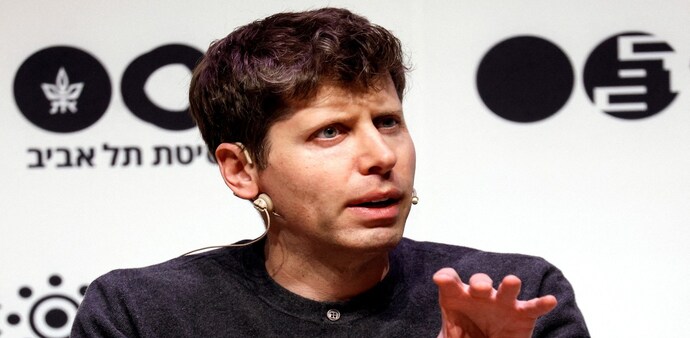
- Apr 30, 2026,
- Updated Apr 30, 2026 12:46 PM IST
OpenAI will begin rolling out a new cybersecurity-focused artificial intelligence model, GPT-5.5-Cyber, to a select group of approved users in the coming days, Chief Executive Sam Altman said, signalling a more targeted push into high-risk security applications.
In a post on X, Altman said the company plans to restrict access while working closely with public
institutions and industry stakeholders.
“We will work with the entire ecosystem and the government to figure out trusted access for cyber; we want to rapidly help secure companies and infrastructure,” he said.
The move is a response to Anthropic’s Claude Mythos Preview, which made headlines for its ability to autonomously discover zero-day vulnerabilities across every major operating system and web browser. Anthropic has restricted Mythos to a select group of partners under Project Glasswing.
Must read: BT explainer: Inside Claude Mythos, the AI is forcing a rethink of global cybersecurity
Details of the model have not yet been made public, but it is expected to focus on defensive use cases such as identifying vulnerabilities, analysing threats and supporting incident response. The emphasis on “trusted access” suggests it will initially be available only to vetted organisations, rather than being released broadly like OpenAI’s consumer products.
The timeline for any wider rollout remains unclear.
The move comes as companies and governments grapple with the dual-use risks of advanced AI systems. Tools designed to detect security flaws or simulate cyberattacks for defence can also be exploited by malicious actors, prompting firms to adopt phased releases and tighter controls.
Must read: BT explainer: Anthropic’s Claude Mythos preview is here to reshape cybersecurity—here’s how
Cybersecurity has become an increasingly important area for AI deployment, with organisations turning to automated tools to monitor networks, detect anomalies and respond to threats in real time. At the same time, security experts have warned of a rise in AI-enabled attacks, including more sophisticated phishing and automated vulnerability discovery.
For Unparalleled coverage of India's Businesses and Economy – Subscribe to Business Today Magazine
OpenAI will begin rolling out a new cybersecurity-focused artificial intelligence model, GPT-5.5-Cyber, to a select group of approved users in the coming days, Chief Executive Sam Altman said, signalling a more targeted push into high-risk security applications.
In a post on X, Altman said the company plans to restrict access while working closely with public
institutions and industry stakeholders.
“We will work with the entire ecosystem and the government to figure out trusted access for cyber; we want to rapidly help secure companies and infrastructure,” he said.
The move is a response to Anthropic’s Claude Mythos Preview, which made headlines for its ability to autonomously discover zero-day vulnerabilities across every major operating system and web browser. Anthropic has restricted Mythos to a select group of partners under Project Glasswing.
Must read: BT explainer: Inside Claude Mythos, the AI is forcing a rethink of global cybersecurity
Details of the model have not yet been made public, but it is expected to focus on defensive use cases such as identifying vulnerabilities, analysing threats and supporting incident response. The emphasis on “trusted access” suggests it will initially be available only to vetted organisations, rather than being released broadly like OpenAI’s consumer products.
The timeline for any wider rollout remains unclear.
The move comes as companies and governments grapple with the dual-use risks of advanced AI systems. Tools designed to detect security flaws or simulate cyberattacks for defence can also be exploited by malicious actors, prompting firms to adopt phased releases and tighter controls.
Must read: BT explainer: Anthropic’s Claude Mythos preview is here to reshape cybersecurity—here’s how
Cybersecurity has become an increasingly important area for AI deployment, with organisations turning to automated tools to monitor networks, detect anomalies and respond to threats in real time. At the same time, security experts have warned of a rise in AI-enabled attacks, including more sophisticated phishing and automated vulnerability discovery.
For Unparalleled coverage of India's Businesses and Economy – Subscribe to Business Today Magazine