
The Human behind Nagarro: From Dibrugarh to a $1.3-billion deal
As Persistent Systems moves to acquire Nagarro, co-founder Manas Human has reflected on the company’s journey from a modest office to a global digital engineering business. His account also ties the deal to the next technology shift and to his personal belief in being human first.
- Jun 29, 2026,
- Updated Jun 29, 2026 11:50 AM IST
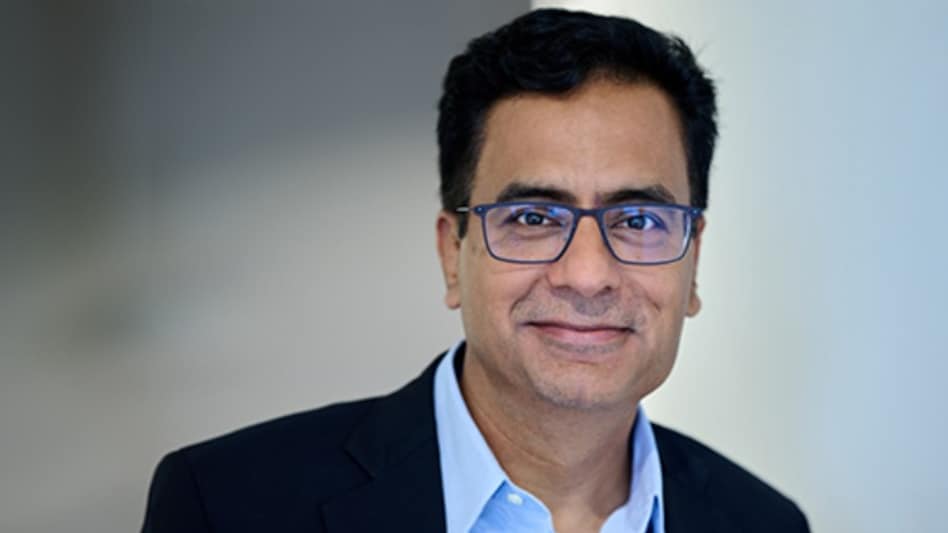
From Dibrugarh in Assam and classrooms in Delhi to the Frankfurt Stock Exchange, Nagarro co-founder Manas Human has travelled a long way in helping build one of the world’s largest digital engineering companies. As Persistent Systems seeks to acquire Nagarro in a $1.3-billion deal, Human said the timing signals the next shift in technology.
His story has also carried a personal layer. After helping turn Nagarro from two small firms in a modest first-floor office into a company with revenue of nearly $1 billion, he changed his surname from Fuloria to Human in 2022. In a personal essay, he said the move was meant to affirm a simple belief: "Whatever other identities I may have, I am human first."
From Dibrugarh to California
Human was born in Dibrugarh, and he spent part of his childhood in Iraq and later moved to Delhi during his teenage years. He later completed a PhD in supply chain management from IIT Delhi and an MS in manufacturing systems engineering from Stanford University, where he received a fellowship from the Stanford Institute of Manufacturing and Automation.
By the 1990s, while living in California, Human said software had begun to draw him in. He told Times of India that "Everybody spoke the same language. Everybody spoke the language of code," he recalled.
How Nagarro was founded
That attraction to software pushed Human and a group of entrepreneurs to merge two small firms and launch a new company, Nagarro. The name emerged by chance when the founders were searching for an available internet domain and found the word in a Robert Ludlum novel, where it was described as "spirits emerging and spirits coming together".
"We thought it was a real word. Later we found out that it wasn’t. We just liked the idea, took the URL, and that has been our flag for 30 years now," Human said.
Years of slow growth, followed by a surge
By Human’s telling, the early phase of Nagarro was marked by patient and slow progress. The company took five years to reach $1 million in annual revenue, 10 years to get to $5 million, 15 years to reach $20 million and 20 years to cross $150 million.
The acceleration came much later. In the following seven years, Nagarro’s revenue climbed to nearly $1 billion, making it one of the fastest-growing digital engineering companies in the world. The company had long operated under German IT services group Allgeier before being spun off and listed independently in December 2020.
"We wanted to build the best engineering outcomes for our clients and work with the world’s best companies," Human said. "Because we spent all that effort, we were able to ride that growth when the digital revolution took off. We designed around lean, small teams and highly skilled people, not staffing pyramids."
Culture and the next phase
Even as Nagarro scaled up, it kept that operating model intact. The company continued to work through decentralised "two-pizza" teams and a non-hierarchical structure meant to protect its start-up culture.
With Persistent Systems now looking to acquire Nagarro, Human said the development reflects another turn in technology. Asked about his own place in what comes next, he said he was clear about the future.
"The most important thing is not roles or titles. The most important thing is that the baby that you have grown reaches great heights," he said. "I am very much here."
A personal decision beyond business
In 2022, Human’s journey took a distinctly personal turn when, at the age of 50, he changed his surname from Fuloria to Human. In an essay published on LinkedIn on Germany’s Unity Day, he wrote that identities shaped by caste, religion, nationality and ethnicity were increasingly fuelling conflict and polarisation.
He said the change was a symbolic effort to restate a simple belief: "Whatever other identities I may have, I am human first." From Dibrugarh to Delhi, California and Frankfurt, Human’s path has mirrored Nagarro’s rise while also reflecting his views on identity, leadership and the company’s future.
For Unparalleled coverage of India's Businesses and Economy – Subscribe to Business Today Magazine
From Dibrugarh in Assam and classrooms in Delhi to the Frankfurt Stock Exchange, Nagarro co-founder Manas Human has travelled a long way in helping build one of the world’s largest digital engineering companies. As Persistent Systems seeks to acquire Nagarro in a $1.3-billion deal, Human said the timing signals the next shift in technology.
His story has also carried a personal layer. After helping turn Nagarro from two small firms in a modest first-floor office into a company with revenue of nearly $1 billion, he changed his surname from Fuloria to Human in 2022. In a personal essay, he said the move was meant to affirm a simple belief: "Whatever other identities I may have, I am human first."
From Dibrugarh to California
Human was born in Dibrugarh, and he spent part of his childhood in Iraq and later moved to Delhi during his teenage years. He later completed a PhD in supply chain management from IIT Delhi and an MS in manufacturing systems engineering from Stanford University, where he received a fellowship from the Stanford Institute of Manufacturing and Automation.
By the 1990s, while living in California, Human said software had begun to draw him in. He told Times of India that "Everybody spoke the same language. Everybody spoke the language of code," he recalled.
How Nagarro was founded
That attraction to software pushed Human and a group of entrepreneurs to merge two small firms and launch a new company, Nagarro. The name emerged by chance when the founders were searching for an available internet domain and found the word in a Robert Ludlum novel, where it was described as "spirits emerging and spirits coming together".
"We thought it was a real word. Later we found out that it wasn’t. We just liked the idea, took the URL, and that has been our flag for 30 years now," Human said.
Years of slow growth, followed by a surge
By Human’s telling, the early phase of Nagarro was marked by patient and slow progress. The company took five years to reach $1 million in annual revenue, 10 years to get to $5 million, 15 years to reach $20 million and 20 years to cross $150 million.
The acceleration came much later. In the following seven years, Nagarro’s revenue climbed to nearly $1 billion, making it one of the fastest-growing digital engineering companies in the world. The company had long operated under German IT services group Allgeier before being spun off and listed independently in December 2020.
"We wanted to build the best engineering outcomes for our clients and work with the world’s best companies," Human said. "Because we spent all that effort, we were able to ride that growth when the digital revolution took off. We designed around lean, small teams and highly skilled people, not staffing pyramids."
Culture and the next phase
Even as Nagarro scaled up, it kept that operating model intact. The company continued to work through decentralised "two-pizza" teams and a non-hierarchical structure meant to protect its start-up culture.
With Persistent Systems now looking to acquire Nagarro, Human said the development reflects another turn in technology. Asked about his own place in what comes next, he said he was clear about the future.
"The most important thing is not roles or titles. The most important thing is that the baby that you have grown reaches great heights," he said. "I am very much here."
A personal decision beyond business
In 2022, Human’s journey took a distinctly personal turn when, at the age of 50, he changed his surname from Fuloria to Human. In an essay published on LinkedIn on Germany’s Unity Day, he wrote that identities shaped by caste, religion, nationality and ethnicity were increasingly fuelling conflict and polarisation.
He said the change was a symbolic effort to restate a simple belief: "Whatever other identities I may have, I am human first." From Dibrugarh to Delhi, California and Frankfurt, Human’s path has mirrored Nagarro’s rise while also reflecting his views on identity, leadership and the company’s future.
For Unparalleled coverage of India's Businesses and Economy – Subscribe to Business Today Magazine