
Rajpal Yadav case: After being denied stage access with Amitabh Bachchan, complainant moved court, reveals lawyer
Speaking after the development, Yadav’s lawyer Bhaskar Upadhyay detailed how the financial dispute unfolded and how tensions escalated around the music launch of the actor’s film Ata Pata Laapata
- Feb 20, 2026,
- Updated Feb 20, 2026 4:07 PM IST
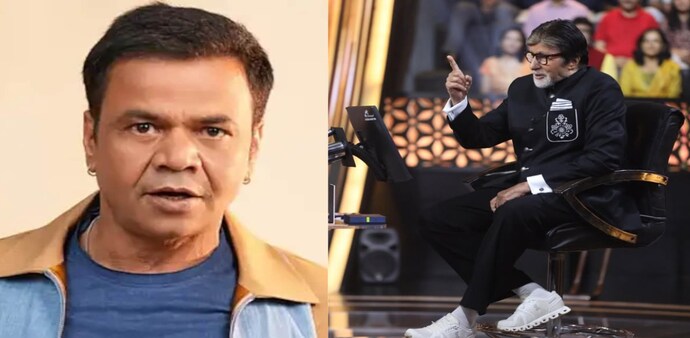
The complainant in the cheque-bounce case against actor Rajpal Yadav approached the court after he was allegedly denied the opportunity to share the stage with Amitabh Bachchan at a film event, according to submissions made before the Delhi High Court.
The High Court has now granted interim bail to Yadav in the case filed by the complainant, businessman Madhav Gopal Aggarwal.
Speaking after the development, Yadav’s lawyer Bhaskar Upadhyay detailed how the financial dispute unfolded and how tensions escalated around the music launch of the actor’s film Ata Pata Laapata, according to Hindustan Times.
According to Upadhyay, Aggarwal had loaned ₹5 crore to Yadav for his film. An agreement was signed, followed by three supplementary agreements until August 2012. Under the last agreement, Yadav issued five cheques to Aggarwal, to be encashed beginning December 2012.
However, matters escalated during the film’s music launch in September 2012. “Mr Bachchan attended the launch, and the complainant (Aggarwal) wanted to share the stage with him. Rajpal’s team declined as Mr Bachchan was not taking any favour for his presence. The complainant felt slighted and soon approached the Delhi High Court seeking a stay on the film till his dues were cleared,” Upadhyay said.
The case continued until December 2012, when Aggarwal deposited the first cheque of ₹60,60,350, which was honoured. Later, he filed an undertaking to lift the stay, and both parties entered into a consent agreement in 2013, declaring all previous agreements null and void.
“In 2016, a fresh consent decree was passed. As per the law, it is binding on both sides. The amount due was ₹10.40 crore. The complainant gave an undertaking that earlier agreements would not be revived if the payment was made. The High Court also clarified that recovery could only be pursued through execution,” Upadhyay stated.
An execution petition was filed the same year, and ₹1.90 crore was paid. For the remaining amount, another guarantor, Anant Dattaram, offered property worth ₹15 crore as surety and sought a month’s time to arrange funds. “The complainant refused the surety and instead sought Rajpal ji’s imprisonment. The execution court noted that no other mode of recovery was suggested and closed the execution,” the lawyer said.
Upadhyay further alleged an irregularity during the proceedings. “While execution was pending, the complainant revived cheques from the third supplementary agreement, which had already been nullified. In March 2018, the trial court convicted Rajpal ji and imposed a fine of ₹11.5 crore. In November 2018, the execution court sentenced him to three months’ imprisonment for the same cause. Both cannot run simultaneously,” he argued.
A revision petition was filed in 2019, but Upadhyay claimed a new counsel made a mistake by expressing willingness to pay during mediation, which was recorded by the court. The matter remains pending, with Yadav’s legal team seeking a hearing on the merits.
The complainant in the cheque-bounce case against actor Rajpal Yadav approached the court after he was allegedly denied the opportunity to share the stage with Amitabh Bachchan at a film event, according to submissions made before the Delhi High Court.
The High Court has now granted interim bail to Yadav in the case filed by the complainant, businessman Madhav Gopal Aggarwal.
Speaking after the development, Yadav’s lawyer Bhaskar Upadhyay detailed how the financial dispute unfolded and how tensions escalated around the music launch of the actor’s film Ata Pata Laapata, according to Hindustan Times.
According to Upadhyay, Aggarwal had loaned ₹5 crore to Yadav for his film. An agreement was signed, followed by three supplementary agreements until August 2012. Under the last agreement, Yadav issued five cheques to Aggarwal, to be encashed beginning December 2012.
However, matters escalated during the film’s music launch in September 2012. “Mr Bachchan attended the launch, and the complainant (Aggarwal) wanted to share the stage with him. Rajpal’s team declined as Mr Bachchan was not taking any favour for his presence. The complainant felt slighted and soon approached the Delhi High Court seeking a stay on the film till his dues were cleared,” Upadhyay said.
The case continued until December 2012, when Aggarwal deposited the first cheque of ₹60,60,350, which was honoured. Later, he filed an undertaking to lift the stay, and both parties entered into a consent agreement in 2013, declaring all previous agreements null and void.
“In 2016, a fresh consent decree was passed. As per the law, it is binding on both sides. The amount due was ₹10.40 crore. The complainant gave an undertaking that earlier agreements would not be revived if the payment was made. The High Court also clarified that recovery could only be pursued through execution,” Upadhyay stated.
An execution petition was filed the same year, and ₹1.90 crore was paid. For the remaining amount, another guarantor, Anant Dattaram, offered property worth ₹15 crore as surety and sought a month’s time to arrange funds. “The complainant refused the surety and instead sought Rajpal ji’s imprisonment. The execution court noted that no other mode of recovery was suggested and closed the execution,” the lawyer said.
Upadhyay further alleged an irregularity during the proceedings. “While execution was pending, the complainant revived cheques from the third supplementary agreement, which had already been nullified. In March 2018, the trial court convicted Rajpal ji and imposed a fine of ₹11.5 crore. In November 2018, the execution court sentenced him to three months’ imprisonment for the same cause. Both cannot run simultaneously,” he argued.
A revision petition was filed in 2019, but Upadhyay claimed a new counsel made a mistake by expressing willingness to pay during mediation, which was recorded by the court. The matter remains pending, with Yadav’s legal team seeking a hearing on the merits.