
Budget 2026: Govt raises capex to Rs 12.2 lakh crore, bets Big on Tier II, III infrastructure
Presenting the Budget, she said public capex has risen sharply over the past decade, from about ₹2 lakh crore in 2014–15 to ₹11.2 lakh crore in the Budget Estimates for FY26, and the proposed hike for FY27 is aimed at maintaining this momentum.
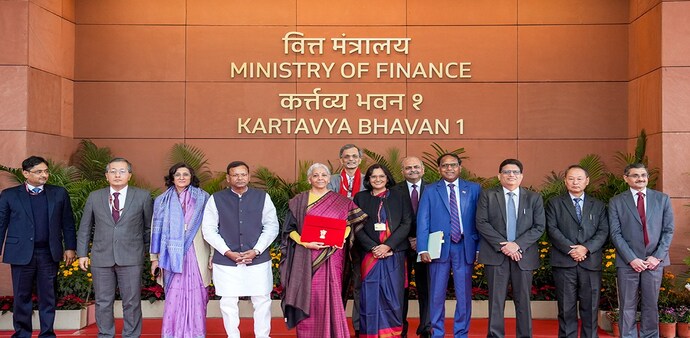
- Feb 1, 2026,
- Updated Feb 1, 2026 11:41 AM IST
Finance Minister Nirmala Sitharaman announced a significant increase in capital expenditure for FY27, raising the allocation to ₹12.2 lakh crore to sustain the government’s infrastructure-led growth push. Presenting the Budget, she said public capex has risen sharply over the past decade—from about ₹2 lakh crore in 2014–15 to ₹11.2 lakh crore in the Budget Estimates for FY26—and the proposed hike for FY27 is aimed at maintaining this momentum. A key focus will remain on strengthening infrastructure in Tier II and Tier III cities with populations exceeding five lakh, which have increasingly emerged as important growth centres.
Sitharaman noted that the government has undertaken multiple initiatives over the last ten years to scale up public infrastructure, including the use of new financing vehicles such as Infrastructure Investment Trusts (InvITs) and Real Estate Investment Trusts (REITs). She reiterated that the emphasis on urban infrastructure development beyond metros will continue, as these expanding cities play a critical role in driving economic activity and regional growth.
Divam Sharma, Co Founder and Fund Manager at Green Portfolio PMS, said: "The government has announced a capital expenditure (capex) target of ₹12.2 lakh crore for the upcoming fiscal, marking a substantial increase from ₹10 lakh crore in FY26. This represents robust double-digit growth, signaling a strong policy focus on infrastructure development as a key driver of economic expansion. Higher capex allocation typically translates into increased spending on roads, railways, airports, energy, and urban development projects, which not only stimulates demand in construction and ancillary sectors but also creates a multiplier effect across the economy. In long term, such aggressive capex can have several long-term implications. Infrastructure and heavy engineering companies are likely to see improved order books and revenue growth. Sectors like steel, cement, power, and transportation could benefit from sustained demand. While short-term market reactions may be influenced by macro factors and liquidity conditions, consistent capex-led growth can support higher long-term equity valuations, especially for cyclical and capital goods stocks. Over time, this approach may foster investor confidence in growth-oriented sectors, creating a positive structural impact on the equity market."
Finance Minister Nirmala Sitharaman announced a significant increase in capital expenditure for FY27, raising the allocation to ₹12.2 lakh crore to sustain the government’s infrastructure-led growth push. Presenting the Budget, she said public capex has risen sharply over the past decade—from about ₹2 lakh crore in 2014–15 to ₹11.2 lakh crore in the Budget Estimates for FY26—and the proposed hike for FY27 is aimed at maintaining this momentum. A key focus will remain on strengthening infrastructure in Tier II and Tier III cities with populations exceeding five lakh, which have increasingly emerged as important growth centres.
Sitharaman noted that the government has undertaken multiple initiatives over the last ten years to scale up public infrastructure, including the use of new financing vehicles such as Infrastructure Investment Trusts (InvITs) and Real Estate Investment Trusts (REITs). She reiterated that the emphasis on urban infrastructure development beyond metros will continue, as these expanding cities play a critical role in driving economic activity and regional growth.
Divam Sharma, Co Founder and Fund Manager at Green Portfolio PMS, said: "The government has announced a capital expenditure (capex) target of ₹12.2 lakh crore for the upcoming fiscal, marking a substantial increase from ₹10 lakh crore in FY26. This represents robust double-digit growth, signaling a strong policy focus on infrastructure development as a key driver of economic expansion. Higher capex allocation typically translates into increased spending on roads, railways, airports, energy, and urban development projects, which not only stimulates demand in construction and ancillary sectors but also creates a multiplier effect across the economy. In long term, such aggressive capex can have several long-term implications. Infrastructure and heavy engineering companies are likely to see improved order books and revenue growth. Sectors like steel, cement, power, and transportation could benefit from sustained demand. While short-term market reactions may be influenced by macro factors and liquidity conditions, consistent capex-led growth can support higher long-term equity valuations, especially for cyclical and capital goods stocks. Over time, this approach may foster investor confidence in growth-oriented sectors, creating a positive structural impact on the equity market."