
Israel and US airstrikes pushed Iran to view nukes as its sole shield, warns Brahma Chellaney
The US and Israel struck sites like Fordow, Natanz and Isfahan, undermining the IAEA’s safeguards and the Non-Proliferation Treaty (NPT). According to Chellaney, such actions send a dangerous message that only nuclear-armed states are truly safe.
- Jun 27, 2025,
- Updated Jun 27, 2025 7:54 PM IST
Precision strikes under “Operation Rising Lion” and “Operation Midnight Hammer” have battered Iran’s nuclear infrastructure. Yet whatever tactical gains were made, they could prove disastrous strategically, warns Brahma Chellaney, a strategic affairs expert, who argues that Iran is now more convinced than ever that nuclear weapons are the only way to deter future aggression and ensure the regime’s survival.
Iran once came to the negotiating table through a balance of pressure and incentives. Despite flaws, this approach worked. In 2015, the Joint Comprehensive Plan of Action (JCPOA) was signed, with Tehran agreeing to limit its nuclear program in exchange for sanctions relief.
Now, the US has joined Israel in abandoning strategic patience in favour of force, wrote in Project Syndicate. Some argue that Iran invited these attacks by deceiving the international community, stoking regional conflicts, and enriching uranium well beyond civilian needs. Even the International Atomic Energy Agency (IAEA), in a report released just before Israel’s campaign, raised compliance concerns.
An analysis by the Institute for Science and International Security warned that “Iran can convert its current stock of 60 percent enriched uranium into 233 kg of (weapon-grade uranium) in three weeks at the Fordow Fuel Enrichment Plant (FFEP), enough for 9 nuclear weapons.”
Yet the IAEA also found “no credible indications of an ongoing, undeclared structured nuclear program” and urged a deal, noting that “Iran is the only non-nuclear-weapon state in the world that is producing and accumulating uranium enriched to 60%.”
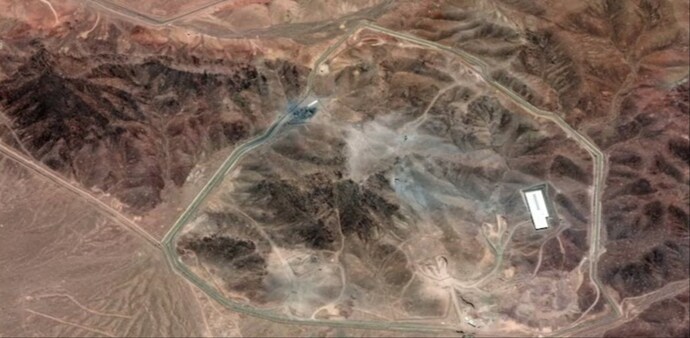
Despite this, the US and Israel struck sites like Fordow, Natanz and Isfahan, undermining the IAEA’s safeguards and the Non-Proliferation Treaty (NPT). According to Chellaney, such actions send a dangerous message that only nuclear-armed states are truly safe.
He argues this hypocrisy has deep roots, pointing to the US’s past tolerance of Pakistan’s covert nuclear program. Now, Chellaney contends, Iran may follow the path of secrecy and nuclear breakout, just as Iraq did after Israel’s 1981 Osirak strike. Military attacks, he warns, may ultimately trigger the very nuclear crisis they aim to prevent.
Precision strikes under “Operation Rising Lion” and “Operation Midnight Hammer” have battered Iran’s nuclear infrastructure. Yet whatever tactical gains were made, they could prove disastrous strategically, warns Brahma Chellaney, a strategic affairs expert, who argues that Iran is now more convinced than ever that nuclear weapons are the only way to deter future aggression and ensure the regime’s survival.
Iran once came to the negotiating table through a balance of pressure and incentives. Despite flaws, this approach worked. In 2015, the Joint Comprehensive Plan of Action (JCPOA) was signed, with Tehran agreeing to limit its nuclear program in exchange for sanctions relief.
Now, the US has joined Israel in abandoning strategic patience in favour of force, wrote in Project Syndicate. Some argue that Iran invited these attacks by deceiving the international community, stoking regional conflicts, and enriching uranium well beyond civilian needs. Even the International Atomic Energy Agency (IAEA), in a report released just before Israel’s campaign, raised compliance concerns.
An analysis by the Institute for Science and International Security warned that “Iran can convert its current stock of 60 percent enriched uranium into 233 kg of (weapon-grade uranium) in three weeks at the Fordow Fuel Enrichment Plant (FFEP), enough for 9 nuclear weapons.”
Yet the IAEA also found “no credible indications of an ongoing, undeclared structured nuclear program” and urged a deal, noting that “Iran is the only non-nuclear-weapon state in the world that is producing and accumulating uranium enriched to 60%.”
Despite this, the US and Israel struck sites like Fordow, Natanz and Isfahan, undermining the IAEA’s safeguards and the Non-Proliferation Treaty (NPT). According to Chellaney, such actions send a dangerous message that only nuclear-armed states are truly safe.
He argues this hypocrisy has deep roots, pointing to the US’s past tolerance of Pakistan’s covert nuclear program. Now, Chellaney contends, Iran may follow the path of secrecy and nuclear breakout, just as Iraq did after Israel’s 1981 Osirak strike. Military attacks, he warns, may ultimately trigger the very nuclear crisis they aim to prevent.