
Israel launches pre-emptive strike on Iran, airspace shut as tensions escalate
According to Israeli officials, the operation was aimed at neutralising what they called imminent security threats linked to Iran’s nuclear and ballistic missile programmes.
- Feb 28, 2026,
- Updated Feb 28, 2026 12:39 PM IST
Israel on Saturday announced that it had carried out what it described as a pre-emptive strike against Iran, sharply escalating tensions in the Middle East and further undermining already fragile diplomatic efforts to resolve Tehran’s long-running nuclear dispute with Western powers.
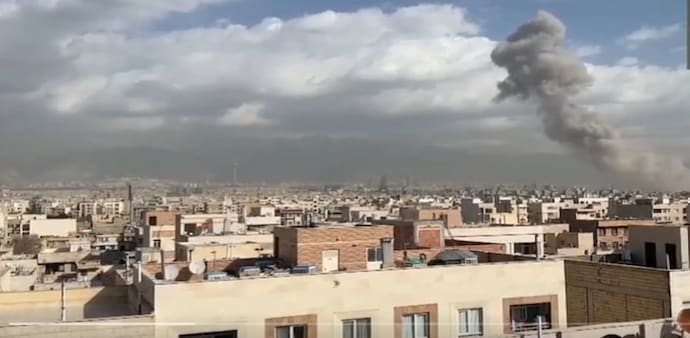
According to Israeli officials, the operation was aimed at neutralising what they called imminent security threats linked to Iran’s nuclear and ballistic missile programmes. Reports indicated that explosions were heard in Tehran, including in areas near offices associated with Supreme Leader Ayatollah Ali Khamenei. The strike comes just months after Israel and Iran engaged in a 12-day air conflict in June, signalling a renewed phase of direct confrontation between the two regional adversaries.
“The State of Israel launched a pre-emptive attack against Iran to remove threats to the State of Israel,” Defence Minister Israel Katz said in a statement.
In response to the escalating situation, both Israel and Iran shut down their airspace. The Israel Airports Authority confirmed that civilian flights had been suspended and urged the public not to travel to airports. Air raid sirens sounded across several parts of Israel, with the military issuing alerts warning of the possibility of missile launches toward Israeli territory.
As precautionary measures, Israeli authorities closed schools nationwide, advised citizens to work from home where possible, and banned public gatherings. The military described the alerts as proactive steps to prepare the public for potential retaliatory attacks.
The latest escalation threatens to derail diplomatic talks that resumed earlier this year. In February, the United States and Iran restarted negotiations aimed at addressing the decades-old standoff over Tehran’s nuclear ambitions. Washington has sought to prevent further destabilisation in the region by reaching a diplomatic solution, while Israel has consistently argued that any agreement must go beyond limiting uranium enrichment.
Israeli leaders have pushed for a deal that would dismantle Iran’s nuclear infrastructure entirely and impose restrictions on its ballistic missile programme. Tehran, however, has signalled willingness to discuss curbs on its nuclear activities in exchange for sanctions relief but has firmly rejected linking nuclear negotiations to its missile capabilities.
Iran has repeatedly warned that it would defend itself against any military action and has cautioned neighbouring countries hosting U.S. forces that American bases could be targeted if Washington participates in strikes against Iranian territory.
In June, the United States joined Israeli operations targeting Iranian nuclear facilities, marking the most direct American military involvement against the Islamic Republic to date. Saturday’s developments now risk plunging the region into another cycle of retaliation and counter-retaliation, with broader geopolitical implications.
Israel on Saturday announced that it had carried out what it described as a pre-emptive strike against Iran, sharply escalating tensions in the Middle East and further undermining already fragile diplomatic efforts to resolve Tehran’s long-running nuclear dispute with Western powers.
According to Israeli officials, the operation was aimed at neutralising what they called imminent security threats linked to Iran’s nuclear and ballistic missile programmes. Reports indicated that explosions were heard in Tehran, including in areas near offices associated with Supreme Leader Ayatollah Ali Khamenei. The strike comes just months after Israel and Iran engaged in a 12-day air conflict in June, signalling a renewed phase of direct confrontation between the two regional adversaries.
“The State of Israel launched a pre-emptive attack against Iran to remove threats to the State of Israel,” Defence Minister Israel Katz said in a statement.
In response to the escalating situation, both Israel and Iran shut down their airspace. The Israel Airports Authority confirmed that civilian flights had been suspended and urged the public not to travel to airports. Air raid sirens sounded across several parts of Israel, with the military issuing alerts warning of the possibility of missile launches toward Israeli territory.
As precautionary measures, Israeli authorities closed schools nationwide, advised citizens to work from home where possible, and banned public gatherings. The military described the alerts as proactive steps to prepare the public for potential retaliatory attacks.
The latest escalation threatens to derail diplomatic talks that resumed earlier this year. In February, the United States and Iran restarted negotiations aimed at addressing the decades-old standoff over Tehran’s nuclear ambitions. Washington has sought to prevent further destabilisation in the region by reaching a diplomatic solution, while Israel has consistently argued that any agreement must go beyond limiting uranium enrichment.
Israeli leaders have pushed for a deal that would dismantle Iran’s nuclear infrastructure entirely and impose restrictions on its ballistic missile programme. Tehran, however, has signalled willingness to discuss curbs on its nuclear activities in exchange for sanctions relief but has firmly rejected linking nuclear negotiations to its missile capabilities.
Iran has repeatedly warned that it would defend itself against any military action and has cautioned neighbouring countries hosting U.S. forces that American bases could be targeted if Washington participates in strikes against Iranian territory.
In June, the United States joined Israeli operations targeting Iranian nuclear facilities, marking the most direct American military involvement against the Islamic Republic to date. Saturday’s developments now risk plunging the region into another cycle of retaliation and counter-retaliation, with broader geopolitical implications.