
Two Iranian drones hit US Embassy in Riyadh, Trump warns of retaliation
The incident drew an immediate reaction from US President Donald Trump, who warned that a response was forthcoming
- Mar 3, 2026,
- Updated Mar 3, 2026 7:32 AM IST
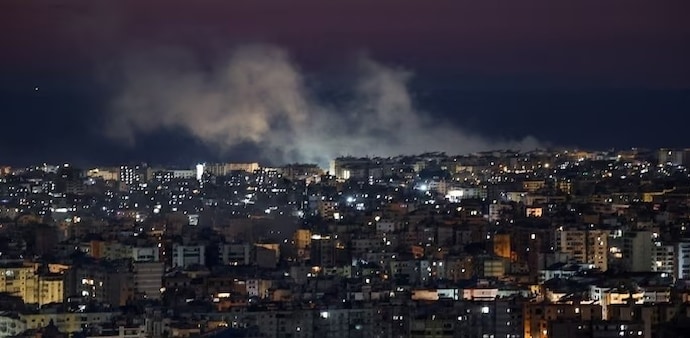
Two Iranian drones struck the US Embassy compound in Riyadh early Tuesday, igniting a small fire and causing limited structural damage, according to Saudi Arabia’s defence ministry. No injuries were reported.
The incident drew an immediate reaction from US President Donald Trump, who warned that a response was forthcoming. “You'll find out what the retaliation will be,” Trump said.
In a post on X, the Saudi defence ministry said preliminary findings showed the embassy complex had been hit by two drones, leading to a contained blaze within the compound.
The strike unfolded amid sustained exchanges between Iran and a US-Israel coalition. The current round of hostilities began on Saturday, February 28, with coordinated strikes on Iranian targets, followed by retaliatory missile and drone attacks targeting Gulf countries that host American military installations. The confrontation has now entered its fourth straight day.
In an interview with NewsNation cited by a reporter on X, Trump reiterated that retaliation was imminent. “You'll find out soon what the retaliation will be,” he said, referring both to the embassy strike and the deaths of US service members in the ongoing conflict.
Reuters said it could not independently verify the precise circumstances surrounding the embassy incident. An embassy spokesperson did not immediately respond to media queries.
Following the attack, the US Embassy issued a “shelter in place” advisory for American citizens in Riyadh, Jeddah and Dhahran. The notice urged US nationals to avoid visiting the embassy until further notice due to the strike on the facility.
Saudi authorities have not clarified whether the drones were intercepted or how they managed to reach the capital’s airspace. The government media office also did not immediately respond to questions.
The strike marks another escalation in a widening regional conflict that has already seen multiple Gulf states targeted in drone and missile exchanges.
Two Iranian drones struck the US Embassy compound in Riyadh early Tuesday, igniting a small fire and causing limited structural damage, according to Saudi Arabia’s defence ministry. No injuries were reported.
The incident drew an immediate reaction from US President Donald Trump, who warned that a response was forthcoming. “You'll find out what the retaliation will be,” Trump said.
In a post on X, the Saudi defence ministry said preliminary findings showed the embassy complex had been hit by two drones, leading to a contained blaze within the compound.
The strike unfolded amid sustained exchanges between Iran and a US-Israel coalition. The current round of hostilities began on Saturday, February 28, with coordinated strikes on Iranian targets, followed by retaliatory missile and drone attacks targeting Gulf countries that host American military installations. The confrontation has now entered its fourth straight day.
In an interview with NewsNation cited by a reporter on X, Trump reiterated that retaliation was imminent. “You'll find out soon what the retaliation will be,” he said, referring both to the embassy strike and the deaths of US service members in the ongoing conflict.
Reuters said it could not independently verify the precise circumstances surrounding the embassy incident. An embassy spokesperson did not immediately respond to media queries.
Following the attack, the US Embassy issued a “shelter in place” advisory for American citizens in Riyadh, Jeddah and Dhahran. The notice urged US nationals to avoid visiting the embassy until further notice due to the strike on the facility.
Saudi authorities have not clarified whether the drones were intercepted or how they managed to reach the capital’s airspace. The government media office also did not immediately respond to questions.
The strike marks another escalation in a widening regional conflict that has already seen multiple Gulf states targeted in drone and missile exchanges.