
$435 million daily blow: US blockade of Hormuz threatens Iran's trade lifeline
The US blockade will start on April 13 at 10 a.m. ET (7:35 p.m. in India) and will apply to all maritime traffic entering and exiting Iranian ports
- Apr 13, 2026,
- Updated Apr 13, 2026 6:23 PM IST
The United States will soon begin enforcing a naval blockade targeting Iranian ports, a move that could cost Tehran an estimated $435 million a day in lost trade, according to an analysis by a policy expert.
Must Read: Hours ahead of US blockade of Strait of Hormuz; how many Indian oil tankers are stuck in the strait?
The US Central Command (CENTCOM) said the blockade will start on April 13 at 10 a.m. ET (7:35 p.m. in India) and will apply to all maritime traffic entering and exiting Iranian ports.
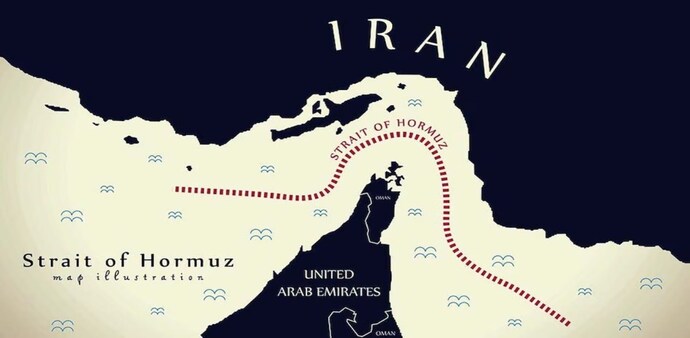
The blockade would be enforced against vessels of all nations entering or departing Iranian ports and coastal areas, including those along the Arabian Gulf and Gulf of Oman. It would, however, not block ships transiting the Strait of Hormuz to non-Iranian ports.
Must Read: 'Don't meddle in our affairs': China backs Iran as US announces Hormuz blockade
According to Miad Maleki, a senior fellow at the foreign policy institution FDD, the economic impact on Iran could be immediate and severe. "The U.S. naval blockade of the Strait of Hormuz would cost Iran approximately $276M/day in lost exports and disrupt $159M/day in imports, a combined economic damage of ~$435M/day, or $13B/month," he wrote in a detailed post on X.
More than 90% of Iran's annual trade, valued at $109.7 billion, passes through the Persian Gulf. Oil and gas account for 80% of export earnings and nearly a quarter of the country's GDP.
Maleki said Iran was exporting about 1.5 million barrels of crude oil per day, generating around $139 million daily at wartime prices. "A blockade zeroes this out overnight," he said, noting that Kharg Island, which handles 92% of crude exports, lies within the affected zone.
Petrochemical exports, worth about $54 million a day, would also be hit, as shipments move through ports inside the blockade area, including Assaluyeh and Imam Khomeini.
Non-oil exports, estimated at roughly $88 million a day, would also suffer, with about 90% of shipments passing through Gulf ports.
The analysis says Iran has limited alternatives outside the Strait of Hormuz. Facilities such as Jask and Chabahar operate at significantly lower capacity compared to Gulf ports, which handle the bulk of the country's trade.
Iran's oil storage capacity could offer only short-term relief. With around 20 million barrels of spare capacity and continued production, storage could fill in about 13 days, forcing a shutdown of oil wells.
Maleki warned that shutting mature oil fields could lead to permanent damage. "Forced shut-ins could permanently destroy 300,000-500,000 bbl/day of production capacity, that's $9-15B/year in revenue, gone forever," he said.
The Strait of Hormuz remains a critical global energy route, and the blockade marks a significant escalation with potential economic consequences for Iran.
The United States will soon begin enforcing a naval blockade targeting Iranian ports, a move that could cost Tehran an estimated $435 million a day in lost trade, according to an analysis by a policy expert.
Must Read: Hours ahead of US blockade of Strait of Hormuz; how many Indian oil tankers are stuck in the strait?
The US Central Command (CENTCOM) said the blockade will start on April 13 at 10 a.m. ET (7:35 p.m. in India) and will apply to all maritime traffic entering and exiting Iranian ports.
The blockade would be enforced against vessels of all nations entering or departing Iranian ports and coastal areas, including those along the Arabian Gulf and Gulf of Oman. It would, however, not block ships transiting the Strait of Hormuz to non-Iranian ports.
Must Read: 'Don't meddle in our affairs': China backs Iran as US announces Hormuz blockade
According to Miad Maleki, a senior fellow at the foreign policy institution FDD, the economic impact on Iran could be immediate and severe. "The U.S. naval blockade of the Strait of Hormuz would cost Iran approximately $276M/day in lost exports and disrupt $159M/day in imports, a combined economic damage of ~$435M/day, or $13B/month," he wrote in a detailed post on X.
More than 90% of Iran's annual trade, valued at $109.7 billion, passes through the Persian Gulf. Oil and gas account for 80% of export earnings and nearly a quarter of the country's GDP.
Maleki said Iran was exporting about 1.5 million barrels of crude oil per day, generating around $139 million daily at wartime prices. "A blockade zeroes this out overnight," he said, noting that Kharg Island, which handles 92% of crude exports, lies within the affected zone.
Petrochemical exports, worth about $54 million a day, would also be hit, as shipments move through ports inside the blockade area, including Assaluyeh and Imam Khomeini.
Non-oil exports, estimated at roughly $88 million a day, would also suffer, with about 90% of shipments passing through Gulf ports.
The analysis says Iran has limited alternatives outside the Strait of Hormuz. Facilities such as Jask and Chabahar operate at significantly lower capacity compared to Gulf ports, which handle the bulk of the country's trade.
Iran's oil storage capacity could offer only short-term relief. With around 20 million barrels of spare capacity and continued production, storage could fill in about 13 days, forcing a shutdown of oil wells.
Maleki warned that shutting mature oil fields could lead to permanent damage. "Forced shut-ins could permanently destroy 300,000-500,000 bbl/day of production capacity, that's $9-15B/year in revenue, gone forever," he said.
The Strait of Hormuz remains a critical global energy route, and the blockade marks a significant escalation with potential economic consequences for Iran.