
BT EXPLAINER: Why the Black Sea corridor now rivals the Strait of Hormuz in strategic importance
The Black Sea is the main export route for some of the world’s largest grain producers. Ukraine alone normally exports about 45 million tonnes of grain annually.
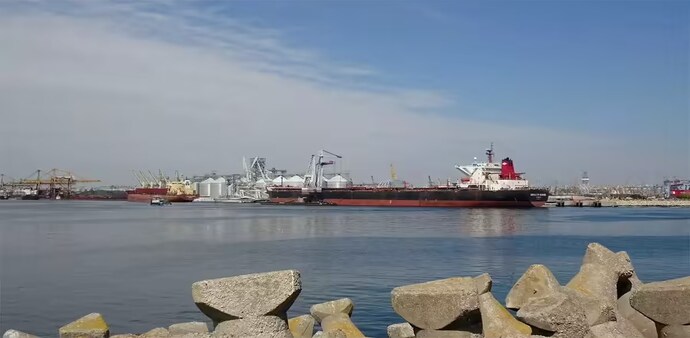
- Mar 26, 2026,
- Updated Mar 26, 2026 3:29 PM IST
A Turkish-operated crude oil tanker sailing under a foreign flag came under attack in the Black Sea near Istanbul on March 26. The incident took place roughly 33 km from the Bosphorus — a vital shipping corridor connecting the Black Sea to the Sea of Marmara and onward to the Mediterranean — just outside Turkish territorial waters.
The vessel, flagged in Sierra Leone, was carrying Russian crude and is believed to have been nearly fully loaded, with close to one million barrels onboard.
The world’s attention often focuses on the Strait of Hormuz as the most critical maritime choke point for global energy flows. But increasingly, analysts say the Black Sea is becoming an equally important strategic corridor — one that connects global markets to vast supplies of grain, fertilisers and energy exports from Eastern Europe and Russia.
Since the war between Russia and Ukraine escalated, the Black Sea has transformed from a commercial shipping hub into a contested maritime theatre, with attacks on ports, merchant vessels and oil logistics increasingly threatening global supply chains.
Maritime gateway for global food security
The Black Sea is the main export route for some of the world’s largest grain producers. Ukraine alone normally exports about 45 million tonnes of grain annually, most of it shipped from ports such as Odesa, Chornomorsk, and Pivdennyi.
Together with Russia, the region accounts for a major share of global trade in wheat, maize, sunflower oil and fertiliser inputs. Many countries across Africa, the Middle East and Asia rely heavily on shipments from the Black Sea basin.
To stabilise global markets after the 2022 invasion, the Black Sea Grain Initiative created a protected shipping corridor allowing grain exports to resume. Within its first year, nearly 33 million tonnes of food were exported through the route.
Disruptions to this corridor have repeatedly pushed global food prices higher, highlighting how the region functions as a critical food security chokepoint.
A crucial route for energy exports
Beyond food shipments, the Black Sea also serves as a major energy transit hub. Oil and petroleum products from Russian ports such as Novorossiysk move through the sea before passing the Bosporus Strait toward global markets.
The region’s energy infrastructure has increasingly become a target of the war. Ukrainian strikes have hit Russian oil export terminals and logistics facilities, disrupting flows of crude and refined products from the region. Such attacks underline how control over the Black Sea affects not just regional trade but global energy supply.
Fertilisers & agricultural inputs
Russia is one of the world’s largest exporters of fertilisers, including nitrogen, potash and ammonia. Much of this trade also moves through Black Sea ports before reaching agricultural markets in Asia and Latin America.
Because fertiliser supply directly influences global crop yields and food prices, disruptions to shipping in the region can ripple through the entire agricultural supply chain.
Attacks on ships and maritime infrastructure
In recent months, commercial shipping through the Black Sea corridor has increasingly come under direct attack, raising fears that the conflict could disrupt global trade flows.
Recent incidents include:
- Early 2026: Russian strikes hit two civilian cargo ships operating near Ukrainian ports, killing a seafarer and injuring others.
- January 2026: A drone attack damaged a civilian vessel heading to load grain near Odesa.
- Late 2025: Waves of drone and missile strikes targeted port infrastructure and merchant ships in Ukraine’s Odesa region.
- 2024-2025: Several civilian vessels operating along Ukraine’s grain corridor were damaged in missile and drone attacks.
Ukraine has also targeted Russian oil logistics at sea, including attacks on tankers believed to be transporting sanctioned crude as part of Moscow’s so-called “shadow fleet.”
These incidents have sharply increased war-risk insurance premiums for vessels entering the region, with insurers reassessing coverage frequently due to escalating maritime threats.
Why the Black Sea resembles the Strait of Hormuz
The Black Sea’s strategic significance mirrors that of the Strait of Hormuz in several ways:
- 1. Concentrated global trade flows: Large volumes of critical commodities — grain, fertilisers and oil—depend on a single maritime corridor.
- 2. Narrow maritime exits: Ships must pass through the Bosporus to reach global markets, making the route highly sensitive to geopolitical disruptions.
- 3. Military contestation: Naval drones, mines and missile strikes have turned commercial sea lanes into potential battle zones.
- 4. Global price impact: Any disruption in the region quickly affects food and energy prices worldwide.
A Turkish-operated crude oil tanker sailing under a foreign flag came under attack in the Black Sea near Istanbul on March 26. The incident took place roughly 33 km from the Bosphorus — a vital shipping corridor connecting the Black Sea to the Sea of Marmara and onward to the Mediterranean — just outside Turkish territorial waters.
The vessel, flagged in Sierra Leone, was carrying Russian crude and is believed to have been nearly fully loaded, with close to one million barrels onboard.
The world’s attention often focuses on the Strait of Hormuz as the most critical maritime choke point for global energy flows. But increasingly, analysts say the Black Sea is becoming an equally important strategic corridor — one that connects global markets to vast supplies of grain, fertilisers and energy exports from Eastern Europe and Russia.
Since the war between Russia and Ukraine escalated, the Black Sea has transformed from a commercial shipping hub into a contested maritime theatre, with attacks on ports, merchant vessels and oil logistics increasingly threatening global supply chains.
Maritime gateway for global food security
The Black Sea is the main export route for some of the world’s largest grain producers. Ukraine alone normally exports about 45 million tonnes of grain annually, most of it shipped from ports such as Odesa, Chornomorsk, and Pivdennyi.
Together with Russia, the region accounts for a major share of global trade in wheat, maize, sunflower oil and fertiliser inputs. Many countries across Africa, the Middle East and Asia rely heavily on shipments from the Black Sea basin.
To stabilise global markets after the 2022 invasion, the Black Sea Grain Initiative created a protected shipping corridor allowing grain exports to resume. Within its first year, nearly 33 million tonnes of food were exported through the route.
Disruptions to this corridor have repeatedly pushed global food prices higher, highlighting how the region functions as a critical food security chokepoint.
A crucial route for energy exports
Beyond food shipments, the Black Sea also serves as a major energy transit hub. Oil and petroleum products from Russian ports such as Novorossiysk move through the sea before passing the Bosporus Strait toward global markets.
The region’s energy infrastructure has increasingly become a target of the war. Ukrainian strikes have hit Russian oil export terminals and logistics facilities, disrupting flows of crude and refined products from the region. Such attacks underline how control over the Black Sea affects not just regional trade but global energy supply.
Fertilisers & agricultural inputs
Russia is one of the world’s largest exporters of fertilisers, including nitrogen, potash and ammonia. Much of this trade also moves through Black Sea ports before reaching agricultural markets in Asia and Latin America.
Because fertiliser supply directly influences global crop yields and food prices, disruptions to shipping in the region can ripple through the entire agricultural supply chain.
Attacks on ships and maritime infrastructure
In recent months, commercial shipping through the Black Sea corridor has increasingly come under direct attack, raising fears that the conflict could disrupt global trade flows.
Recent incidents include:
- Early 2026: Russian strikes hit two civilian cargo ships operating near Ukrainian ports, killing a seafarer and injuring others.
- January 2026: A drone attack damaged a civilian vessel heading to load grain near Odesa.
- Late 2025: Waves of drone and missile strikes targeted port infrastructure and merchant ships in Ukraine’s Odesa region.
- 2024-2025: Several civilian vessels operating along Ukraine’s grain corridor were damaged in missile and drone attacks.
Ukraine has also targeted Russian oil logistics at sea, including attacks on tankers believed to be transporting sanctioned crude as part of Moscow’s so-called “shadow fleet.”
These incidents have sharply increased war-risk insurance premiums for vessels entering the region, with insurers reassessing coverage frequently due to escalating maritime threats.
Why the Black Sea resembles the Strait of Hormuz
The Black Sea’s strategic significance mirrors that of the Strait of Hormuz in several ways:
- 1. Concentrated global trade flows: Large volumes of critical commodities — grain, fertilisers and oil—depend on a single maritime corridor.
- 2. Narrow maritime exits: Ships must pass through the Bosporus to reach global markets, making the route highly sensitive to geopolitical disruptions.
- 3. Military contestation: Naval drones, mines and missile strikes have turned commercial sea lanes into potential battle zones.
- 4. Global price impact: Any disruption in the region quickly affects food and energy prices worldwide.