
Former Fed chief Alan Greenspan passes away at 100: The economist who guided America through boom and crisis
Alan Greenspan, who served five terms as Fed chairman under four US presidents, was one of the most consequential economic policymakers of the late 20th century
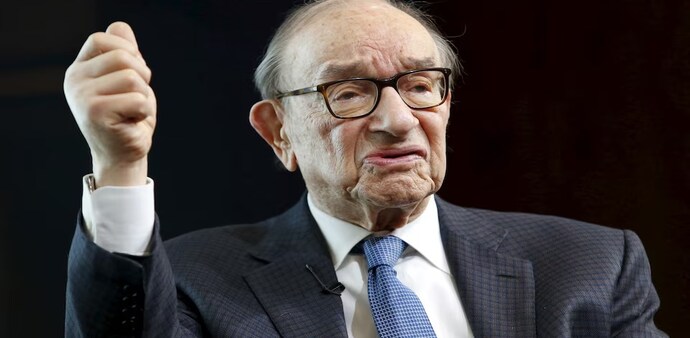
- Jun 22, 2026,
- Updated Jun 22, 2026 6:21 PM IST
Alan Greenspan, the influential economist who led US monetary policy for nearly two decades as chairman of the Federal Reserve, passed away at the age of 100 on Monday.
Greenspan, who served five terms as Fed chairman under four US presidents, was one of the most consequential economic policymakers of the late 20th century. He presided over the Federal Reserve during a period that spanned the final years of the Cold War, the rise of globalisation and the dawn of the digital age.
"Alan passed away at our home this morning at the age of 100 from complications of Parkinson’s disease," Greenspan's wife, Andrea Mitchell, said in a statement. "He was a giant of a man who helped shape the U.S. economy for decades under presidents of both parties, but was always honest in acknowledging his mistakes."
The face of America's economic boom
Greenspan's tenure at the Federal Reserve coincided with one of the longest economic expansions in US history, a boom that stretched from 1991 to 2001. His influence on interest rates, inflation and financial markets made him one of the most closely watched figures in global economics. Yet his legacy remained contested. Critics argued that his support for financial deregulation helped create conditions that contributed to the global financial crisis of 2007-08.
Even as debates over his economic philosophy persisted, Greenspan remained a defining figure in modern American capitalism.
From jazz musician to economist
Born on March 6, 1926, in New York City's Washington Heights neighbourhood, Greenspan displayed strong mathematical abilities from an early age, NBC News reported. Before becoming an economist, he attended the Juilliard School and played jazz saxophone and clarinet in a band.
He later studied economics at New York University, earning a bachelor's degree in 1948 and a master's degree in 1950. He began doctoral studies at Columbia University under economist Arthur F Burns, who would later become chairman of the Federal Reserve.
Greenspan left Columbia in 1953 and joined an economic consulting firm that eventually became Townsend-Greenspan Co., Inc. By 1958, he had become its president and chief owner.
A long political journey
Greenspan first entered national politics in 1967 as an adviser to Richard Nixon's presidential campaign. Although he declined a formal role in the Nixon administration, he continued advising the president informally.
Following Nixon's resignation, Greenspan joined President Gerald Ford's administration as chairman of the Council of Economic Advisers, serving until 1977.
During that period, policies pursued by the administration, alongside tighter monetary measures later implemented by the Paul Volcker-led Federal Reserve, helped reduce inflation from 11 per cent to 6.5 per cent.
When Jimmy Carter became president in 1977, Greenspan returned to New York, resumed work at his consulting firm and accepted an adjunct professorship at New York University, where he completed his PhD in economics.
Mitchell, NBC News' chief Washington correspondent and chief foreign affairs correspondent, was married to Greenspan for 29 years.
Alan Greenspan, the influential economist who led US monetary policy for nearly two decades as chairman of the Federal Reserve, passed away at the age of 100 on Monday.
Greenspan, who served five terms as Fed chairman under four US presidents, was one of the most consequential economic policymakers of the late 20th century. He presided over the Federal Reserve during a period that spanned the final years of the Cold War, the rise of globalisation and the dawn of the digital age.
"Alan passed away at our home this morning at the age of 100 from complications of Parkinson’s disease," Greenspan's wife, Andrea Mitchell, said in a statement. "He was a giant of a man who helped shape the U.S. economy for decades under presidents of both parties, but was always honest in acknowledging his mistakes."
The face of America's economic boom
Greenspan's tenure at the Federal Reserve coincided with one of the longest economic expansions in US history, a boom that stretched from 1991 to 2001. His influence on interest rates, inflation and financial markets made him one of the most closely watched figures in global economics. Yet his legacy remained contested. Critics argued that his support for financial deregulation helped create conditions that contributed to the global financial crisis of 2007-08.
Even as debates over his economic philosophy persisted, Greenspan remained a defining figure in modern American capitalism.
From jazz musician to economist
Born on March 6, 1926, in New York City's Washington Heights neighbourhood, Greenspan displayed strong mathematical abilities from an early age, NBC News reported. Before becoming an economist, he attended the Juilliard School and played jazz saxophone and clarinet in a band.
He later studied economics at New York University, earning a bachelor's degree in 1948 and a master's degree in 1950. He began doctoral studies at Columbia University under economist Arthur F Burns, who would later become chairman of the Federal Reserve.
Greenspan left Columbia in 1953 and joined an economic consulting firm that eventually became Townsend-Greenspan Co., Inc. By 1958, he had become its president and chief owner.
A long political journey
Greenspan first entered national politics in 1967 as an adviser to Richard Nixon's presidential campaign. Although he declined a formal role in the Nixon administration, he continued advising the president informally.
Following Nixon's resignation, Greenspan joined President Gerald Ford's administration as chairman of the Council of Economic Advisers, serving until 1977.
During that period, policies pursued by the administration, alongside tighter monetary measures later implemented by the Paul Volcker-led Federal Reserve, helped reduce inflation from 11 per cent to 6.5 per cent.
When Jimmy Carter became president in 1977, Greenspan returned to New York, resumed work at his consulting firm and accepted an adjunct professorship at New York University, where he completed his PhD in economics.
Mitchell, NBC News' chief Washington correspondent and chief foreign affairs correspondent, was married to Greenspan for 29 years.