
Fragile US-Iran ceasefire on verge of collapse: What comes next for West Asia?
The temporary ceasefire was announced earlier this week after diplomatic mediation efforts, with Washington and Tehran agreeing to pause hostilities while talks on a broader peace framework begin.
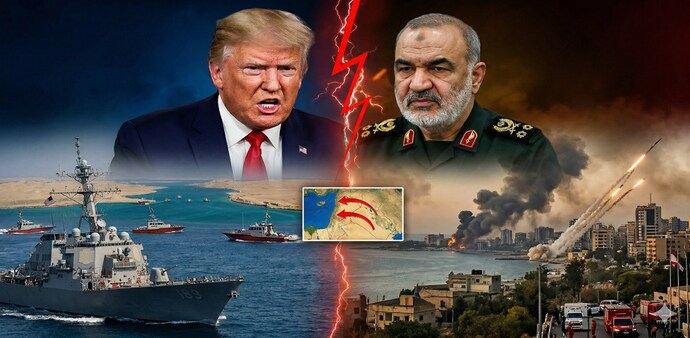
- Apr 9, 2026,
- Updated Apr 9, 2026 7:55 PM IST
Iran war: A tenuous two-week ceasefire between the United States and Iran — announced after weeks of intense conflict across West Asia — is already under severe strain, raising fears that the region could slide back into full-scale war. Fresh strikes, drone attacks across the Gulf, and increasingly hardline rhetoric from leaders on both sides suggest the truce may not hold for long.
The temporary ceasefire was announced earlier this week after diplomatic mediation efforts, with Washington and Tehran agreeing to pause hostilities while talks on a broader peace framework begin. The deal was presented as a “two-sided ceasefire,” with expectations that Iran would allow safe shipping through the Strait of Hormuz and participate in negotiations over its nuclear and missile programs.
However, the agreement was fragile from the outset. Both sides have portrayed the ceasefire domestically as a strategic success, leaving little political room for compromise.
Attacks continue despite the truce
Within hours of the ceasefire announcement, new hostilities erupted across the region.
Israeli airstrikes in Lebanon triggered one of the most intense bombardments seen in recent months, while Iran-aligned groups launched drones and missiles targeting infrastructure across Gulf states including Saudi Arabia and the United Arab Emirates.
Hezbollah also resumed rocket attacks into northern Israel following Israeli strikes in Lebanon, further complicating the ceasefire landscape.
A major point of dispute is whether Lebanon falls under the scope of the ceasefire. Israel maintains its military operations against Hezbollah are separate from the Iran agreement, while Iran and several mediators argue that the truce should extend across all conflict fronts.
Meanwhile, tensions remain high around the Strait of Hormuz — one of the world’s most important oil shipping routes — where Iran has continued to exert pressure by restricting or monitoring vessel traffic.
Trump’s latest warning
Amid the uncertainty, Donald Trump struck a combative tone in a recent social media post, warning that the American military presence in the region would remain until Iran fully complies with the agreement.
Trump warned that if Tehran fails to honor the deal, the United States is prepared for a “bigger, and better, and stronger” military response, signaling that Washington is ready to escalate if negotiations collapse.
Earlier remarks from Trump also included stark warnings that US forces could target critical Iranian infrastructure — including bridges and power plants — if Iran violates the ceasefire terms.
"None of these people, including our own, very disappointing, NATO, understood anything unless they have pressure placed upon them!!!" Trump wrote in his latest post on Truth Social.
Why the ceasefire may fail
Analysts say several factors make the truce particularly fragile:
- Conflicting interpretations of the deal: Iran insists it will not abandon uranium enrichment, while Washington is demanding strict limits on Tehran’s nuclear program.
- Multiple active fronts: Fighting continues through proxy groups and regional allies, especially in Lebanon and the broader Levant.
- Economic pressure points: Iran’s geographic control near the Strait of Hormuz gives it leverage over global oil shipments.
- Political messaging: Leaders on both sides have framed the ceasefire as a victory, reducing space for compromise at the negotiating table.
What happens next?
Diplomatic talks between US and Iranian officials are expected in the coming days as mediators attempt to convert the temporary pause into a longer-term settlement. But with fresh attacks continuing and military forces across the region on heightened alert, many analysts warn the ceasefire could unravel quickly.
Iran war: A tenuous two-week ceasefire between the United States and Iran — announced after weeks of intense conflict across West Asia — is already under severe strain, raising fears that the region could slide back into full-scale war. Fresh strikes, drone attacks across the Gulf, and increasingly hardline rhetoric from leaders on both sides suggest the truce may not hold for long.
The temporary ceasefire was announced earlier this week after diplomatic mediation efforts, with Washington and Tehran agreeing to pause hostilities while talks on a broader peace framework begin. The deal was presented as a “two-sided ceasefire,” with expectations that Iran would allow safe shipping through the Strait of Hormuz and participate in negotiations over its nuclear and missile programs.
However, the agreement was fragile from the outset. Both sides have portrayed the ceasefire domestically as a strategic success, leaving little political room for compromise.
Attacks continue despite the truce
Within hours of the ceasefire announcement, new hostilities erupted across the region.
Israeli airstrikes in Lebanon triggered one of the most intense bombardments seen in recent months, while Iran-aligned groups launched drones and missiles targeting infrastructure across Gulf states including Saudi Arabia and the United Arab Emirates.
Hezbollah also resumed rocket attacks into northern Israel following Israeli strikes in Lebanon, further complicating the ceasefire landscape.
A major point of dispute is whether Lebanon falls under the scope of the ceasefire. Israel maintains its military operations against Hezbollah are separate from the Iran agreement, while Iran and several mediators argue that the truce should extend across all conflict fronts.
Meanwhile, tensions remain high around the Strait of Hormuz — one of the world’s most important oil shipping routes — where Iran has continued to exert pressure by restricting or monitoring vessel traffic.
Trump’s latest warning
Amid the uncertainty, Donald Trump struck a combative tone in a recent social media post, warning that the American military presence in the region would remain until Iran fully complies with the agreement.
Trump warned that if Tehran fails to honor the deal, the United States is prepared for a “bigger, and better, and stronger” military response, signaling that Washington is ready to escalate if negotiations collapse.
Earlier remarks from Trump also included stark warnings that US forces could target critical Iranian infrastructure — including bridges and power plants — if Iran violates the ceasefire terms.
"None of these people, including our own, very disappointing, NATO, understood anything unless they have pressure placed upon them!!!" Trump wrote in his latest post on Truth Social.
Why the ceasefire may fail
Analysts say several factors make the truce particularly fragile:
- Conflicting interpretations of the deal: Iran insists it will not abandon uranium enrichment, while Washington is demanding strict limits on Tehran’s nuclear program.
- Multiple active fronts: Fighting continues through proxy groups and regional allies, especially in Lebanon and the broader Levant.
- Economic pressure points: Iran’s geographic control near the Strait of Hormuz gives it leverage over global oil shipments.
- Political messaging: Leaders on both sides have framed the ceasefire as a victory, reducing space for compromise at the negotiating table.
What happens next?
Diplomatic talks between US and Iranian officials are expected in the coming days as mediators attempt to convert the temporary pause into a longer-term settlement. But with fresh attacks continuing and military forces across the region on heightened alert, many analysts warn the ceasefire could unravel quickly.