
From Thailand to China, Iran war triggers fuel curbs across Asia as Hormuz crisis sparks supply fears
From Thailand to China, Iran war triggers fuel curbs across Asia as Hormuz crisis sparks supply fears
Asia-Pacific countries are imposing fuel export curbs, conserving energy and building reserves as the Iran war raises fears of oil supply disruption through the Strait of Hormuz. From Thailand to China and India, governments are acting to secure domestic fuel supplies amid rising crude prices and risk of a global energy shock.
Business Today Desk
- Mar 14, 2026,
- Updated Mar 14, 2026 9:18 PM IST
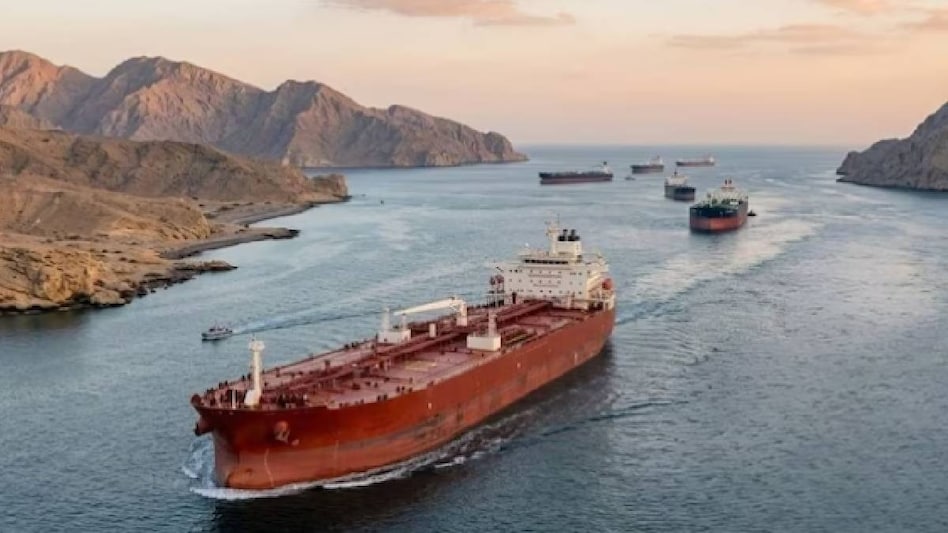
The escalating Iran conflict is forcing several Asia-Pacific countries to introduce fuel-saving measures, export controls and emergency energy policies as governments prepare for possible supply disruptions and rising oil prices, according to an assessment shared by Kelly Eckhold, Chief Economist at Westpac New Zealand. The Strait of Hormuz crisis has heightened fears of a global energy shock, prompting countries across the region to conserve fuel, secure domestic supplies and limit exports to protect their economies from volatility.
Advertisement
Thailand has imposed some of the strictest measures so far, introducing work-from-home directives for civil servants, restricting travel and enforcing electricity conservation in government offices. The country has also announced a statutory ban on exports of gasoline, diesel, jet fuel and LPG to ensure adequate domestic supply.
Vietnam has taken a different approach by reducing import tariffs on fuel to zero and using a price-stabilisation fund to control domestic costs, while avoiding export restrictions. The Philippines has cut government fuel and electricity use and introduced a four-day workweek for some agencies to reduce demand.
Malaysia has stepped up anti-smuggling enforcement to prevent subsidised fuel from leaking across borders, while Indonesia has continued export restrictions on biofuel feedstocks such as palm oil derivatives to protect domestic supply.
Advertisement
Developed economies
Several developed economies are also taking precautionary steps. Japan has cancelled some fuel export shipments to prioritise domestic needs, while South Korea has imposed caps on exports of gasoline, diesel and heating fuel. China has reportedly ordered refiners to halt diesel and gasoline exports, an administrative move aimed at ensuring sufficient supply at home.
Australia has released emergency fuel stocks and relaxed fuel-quality rules to increase supply flexibility, while Singapore and Myanmar have focused on demand-reduction measures, including limits on driving days and energy-saving campaigns.
Smaller economies have also moved to ration fuel. Sri Lanka has introduced fuel rationing with priority for essential services, reflecting concerns about supply shortages if the conflict worsens.
India has not announced formal restrictions, but public sector refiners have been informally guided to divert more fuel to the domestic market instead of exports, signalling precautionary steps to protect supply.
Advertisement
Eckhold said the wide range of measures shows how seriously governments are taking the risk of a prolonged disruption in Middle East energy flows. With nearly one-fifth of global oil trade passing through the Strait of Hormuz, even partial disruption could push prices sharply higher and force countries to tighten fuel use.
The coordinated response across Asia-Pacific suggests policymakers are preparing for a scenario in which the Iran war leads to sustained volatility in oil markets, higher inflation and pressure on trade balances, especially for energy-importing economies.
The escalating Iran conflict is forcing several Asia-Pacific countries to introduce fuel-saving measures, export controls and emergency energy policies as governments prepare for possible supply disruptions and rising oil prices, according to an assessment shared by Kelly Eckhold, Chief Economist at Westpac New Zealand. The Strait of Hormuz crisis has heightened fears of a global energy shock, prompting countries across the region to conserve fuel, secure domestic supplies and limit exports to protect their economies from volatility.
Advertisement
Thailand has imposed some of the strictest measures so far, introducing work-from-home directives for civil servants, restricting travel and enforcing electricity conservation in government offices. The country has also announced a statutory ban on exports of gasoline, diesel, jet fuel and LPG to ensure adequate domestic supply.
Vietnam has taken a different approach by reducing import tariffs on fuel to zero and using a price-stabilisation fund to control domestic costs, while avoiding export restrictions. The Philippines has cut government fuel and electricity use and introduced a four-day workweek for some agencies to reduce demand.
Malaysia has stepped up anti-smuggling enforcement to prevent subsidised fuel from leaking across borders, while Indonesia has continued export restrictions on biofuel feedstocks such as palm oil derivatives to protect domestic supply.
Advertisement
Developed economies
Several developed economies are also taking precautionary steps. Japan has cancelled some fuel export shipments to prioritise domestic needs, while South Korea has imposed caps on exports of gasoline, diesel and heating fuel. China has reportedly ordered refiners to halt diesel and gasoline exports, an administrative move aimed at ensuring sufficient supply at home.
Australia has released emergency fuel stocks and relaxed fuel-quality rules to increase supply flexibility, while Singapore and Myanmar have focused on demand-reduction measures, including limits on driving days and energy-saving campaigns.
Smaller economies have also moved to ration fuel. Sri Lanka has introduced fuel rationing with priority for essential services, reflecting concerns about supply shortages if the conflict worsens.
India has not announced formal restrictions, but public sector refiners have been informally guided to divert more fuel to the domestic market instead of exports, signalling precautionary steps to protect supply.
Advertisement
Eckhold said the wide range of measures shows how seriously governments are taking the risk of a prolonged disruption in Middle East energy flows. With nearly one-fifth of global oil trade passing through the Strait of Hormuz, even partial disruption could push prices sharply higher and force countries to tighten fuel use.
The coordinated response across Asia-Pacific suggests policymakers are preparing for a scenario in which the Iran war leads to sustained volatility in oil markets, higher inflation and pressure on trade balances, especially for energy-importing economies.
Read more!