
Hormuz tensions rise: Iran warns of retaliation on US-linked firms if energy assets hit
Foreign Minister Abbas Araghchi said Tehran would respond directly if its oil, gas, or other energy installations were targeted. According to Iranian state media, he stated that any attack on Iranian energy assets would be met with action against companies backed by the United States or firms in which American entities hold stakes.
- Mar 14, 2026,
- Updated Mar 14, 2026 9:25 PM IST
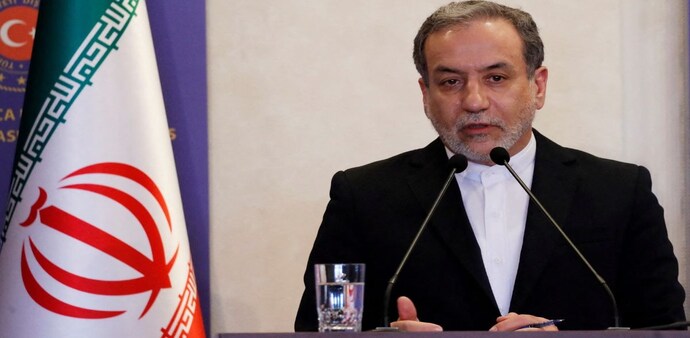
Iranian Foreign Minister Abbas Araghchi on Saturday warned that any strike on Iran’s energy infrastructure would trigger retaliatory attacks on facilities linked to American companies in the region, raising fears of further escalation in the ongoing conflict involving Iran, the United States, and Israel.
Araghchi said Tehran would respond directly if its oil, gas, or other energy installations were targeted. According to Iranian state media, he stated that any attack on Iranian energy assets would be met with action against companies backed by the United States or firms in which American entities hold stakes.
In a separate statement, Iran also clarified its position on the Strait of Hormuz, saying the strategic waterway is not completely closed but restrictions apply to vessels belonging to “enemies and their allies.” Iranian officials indicated that shipping linked to hostile countries could face action if tensions continue to rise.
The warnings come as the Gulf region remains on edge after recent military strikes and counter-threats that have raised concerns over the safety of global energy supplies. The Strait of Hormuz is one of the world’s most important maritime chokepoints, carrying a significant share of global crude oil and liquefied natural gas shipments.
Responding to the developments, US President Donald Trump said the United States would ensure that the shipping route remains open and secure. He stressed that international cooperation was needed to prevent disruptions to global trade.
In a social media post, Trump said the US would not allow the waterway to be threatened and called on other major countries to deploy naval forces in the region. “One way or the other, we will soon get the Hormuz Strait OPEN, SAFE, and FREE!” he said.
Trump named China, France, Japan, South Korea, and the United Kingdom among the nations that should help protect the route, saying the responsibility should not fall on the United States alone.
He also accused Iran of attempting to threaten shipping despite suffering military losses in recent strikes, warning that US forces were ready to respond if vessels were attacked.
With tensions rising on both sides, analysts say any disruption in the Strait of Hormuz could have major consequences for global oil markets, shipping costs, and energy security worldwide.
Iranian Foreign Minister Abbas Araghchi on Saturday warned that any strike on Iran’s energy infrastructure would trigger retaliatory attacks on facilities linked to American companies in the region, raising fears of further escalation in the ongoing conflict involving Iran, the United States, and Israel.
Araghchi said Tehran would respond directly if its oil, gas, or other energy installations were targeted. According to Iranian state media, he stated that any attack on Iranian energy assets would be met with action against companies backed by the United States or firms in which American entities hold stakes.
In a separate statement, Iran also clarified its position on the Strait of Hormuz, saying the strategic waterway is not completely closed but restrictions apply to vessels belonging to “enemies and their allies.” Iranian officials indicated that shipping linked to hostile countries could face action if tensions continue to rise.
The warnings come as the Gulf region remains on edge after recent military strikes and counter-threats that have raised concerns over the safety of global energy supplies. The Strait of Hormuz is one of the world’s most important maritime chokepoints, carrying a significant share of global crude oil and liquefied natural gas shipments.
Responding to the developments, US President Donald Trump said the United States would ensure that the shipping route remains open and secure. He stressed that international cooperation was needed to prevent disruptions to global trade.
In a social media post, Trump said the US would not allow the waterway to be threatened and called on other major countries to deploy naval forces in the region. “One way or the other, we will soon get the Hormuz Strait OPEN, SAFE, and FREE!” he said.
Trump named China, France, Japan, South Korea, and the United Kingdom among the nations that should help protect the route, saying the responsibility should not fall on the United States alone.
He also accused Iran of attempting to threaten shipping despite suffering military losses in recent strikes, warning that US forces were ready to respond if vessels were attacked.
With tensions rising on both sides, analysts say any disruption in the Strait of Hormuz could have major consequences for global oil markets, shipping costs, and energy security worldwide.