
'Hormuz will not open': Iran parliament rules out negotiations with US
We do not set any deadlines for defending ourselves. We will defend our country and our people as far as necessary and by any means required, says Iranian FM Araghchi
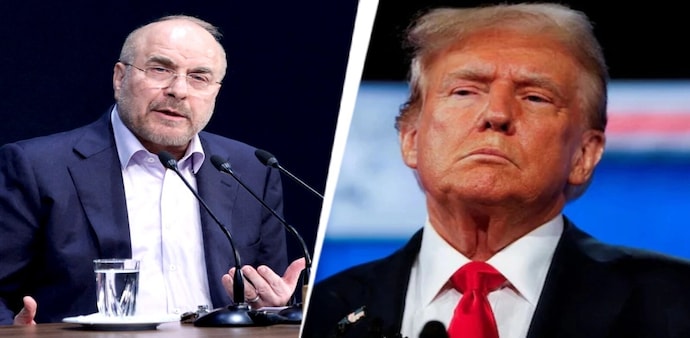
- Apr 1, 2026,
- Updated Apr 1, 2026 2:12 PM IST
Iran's Parliament has ruled out reopening the Strait of Hormuz and denied any negotiations, signalling a hardening position as the conflict with the United States deepens.
"The Strait of Hormuz will not open, we have not held any negotiations, and we will not hold them," Iran's parliament said, according to First Squawk.
Must Read: QatarEnergy confirms oil tanker hit by missiles in Gulf waters
On Tuesday, Iran's Foreign Minister Abbas Araghchi indicated Tehran is prepared for a prolonged conflict, setting a markedly different timeline from Washington. "We do not set any deadlines for defending ourselves. We will defend our country and our people as far as necessary and by any means required," Araghchi told Al Jazeera.
Must Read: Trump claims Iran ‘begging’ for talks, calls passage of 10 tankers a ‘goodwill’ present to US
"It does not matter what timelines our enemies set for themselves. However, our recommendation is that they bring this war to a complete and permanent end before facing further damage," he said.
Araghchi said Tehran is not engaged in direct negotiations with the United States, contradicting claims by President Donald Trump that discussions are underway. "Negotiation is when two countries engage in talks to reach an agreement, and such a thing does not exist between us and the United States," he said.
At the same time, he acknowledged indirect communication. Messages have been received from Steve Witkoff, the US envoy to the Middle East, and exchanges have taken place through intermediaries.
US Secretary of State Marco Rubio said there were messages being exchanged with Iran and that there is "potential for a direct meeting at some point."
Araghchi said Iran has not responded to a 15-point proposal from Washington, countering Trump's statement that Tehran had agreed to "most of" the demands. "The US president fundamentally needs to change his approach," Araghchi said. "One cannot speak to the Iranian people with the language of threats and deadlines."
Trump has said the US military could end its offensive in two to three weeks and indicated that responsibility for securing Hormuz would shift to countries that depend on it for oil and shipping.
Iran's Parliament has ruled out reopening the Strait of Hormuz and denied any negotiations, signalling a hardening position as the conflict with the United States deepens.
"The Strait of Hormuz will not open, we have not held any negotiations, and we will not hold them," Iran's parliament said, according to First Squawk.
Must Read: QatarEnergy confirms oil tanker hit by missiles in Gulf waters
On Tuesday, Iran's Foreign Minister Abbas Araghchi indicated Tehran is prepared for a prolonged conflict, setting a markedly different timeline from Washington. "We do not set any deadlines for defending ourselves. We will defend our country and our people as far as necessary and by any means required," Araghchi told Al Jazeera.
Must Read: Trump claims Iran ‘begging’ for talks, calls passage of 10 tankers a ‘goodwill’ present to US
"It does not matter what timelines our enemies set for themselves. However, our recommendation is that they bring this war to a complete and permanent end before facing further damage," he said.
Araghchi said Tehran is not engaged in direct negotiations with the United States, contradicting claims by President Donald Trump that discussions are underway. "Negotiation is when two countries engage in talks to reach an agreement, and such a thing does not exist between us and the United States," he said.
At the same time, he acknowledged indirect communication. Messages have been received from Steve Witkoff, the US envoy to the Middle East, and exchanges have taken place through intermediaries.
US Secretary of State Marco Rubio said there were messages being exchanged with Iran and that there is "potential for a direct meeting at some point."
Araghchi said Iran has not responded to a 15-point proposal from Washington, countering Trump's statement that Tehran had agreed to "most of" the demands. "The US president fundamentally needs to change his approach," Araghchi said. "One cannot speak to the Iranian people with the language of threats and deadlines."
Trump has said the US military could end its offensive in two to three weeks and indicated that responsibility for securing Hormuz would shift to countries that depend on it for oil and shipping.