
Iran is in a state of collapse, wants us to open Strait of Hormuz: Donald Trump
Iran war: Iran's latest offer to resolve the war included putting off discussion of its nuclear programme until after the conflict ended and shipping disputes were resolved.
- Apr 29, 2026,
- Updated Apr 29, 2026 8:05 AM IST
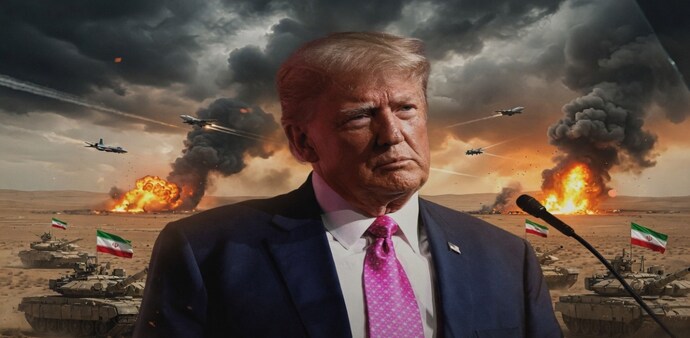
Iran war: President Donald Trump said on Tuesday that Iran had informed the United States it was in a "state of collapse" and wanted Washington to open the Strait of Hormuz as soon as possible while it worked through its leadership situation.
In his post on Truth Social, Trump wrote: "Iran has just informed us that they are in a 'State of Collapse'. They want us to 'Open the Hormuz Strait,' as soon as possible, as they try to figure out their leadership situation (Which I believe they will be able to do!)."
It was not clear from Trump's post how Iran had communicated that message. There was no immediate response from Tehran to his comments, and the White House did not immediately respond to a request for comment on the post.
MUST READ | Iran war impact: Govt likely to cut FY27 growth projections
Meanwhile, the latest push to resolve the conflict appeared to be at an impasse, with Trump being unhappy with Tehran's most recent proposal, according to a US official. The conflict has disrupted energy supplies, fuelled inflation, thrown energy markets into turmoil, disrupted global trade routes and killed thousands of people.
According to a US official briefed on Trump's meeting with advisers on Monday, Iran's latest offer to resolve the war would put off discussion of its nuclear programme until after the conflict ended and shipping disputes were resolved. Trump, however, wants nuclear issues to be addressed from the outset.
Earlier on Tuesday, an Iranian army spokesperson told state media that the Islamic Republic did not consider the war over. Since the war began on February 28, Iran has largely blocked all shipping apart from its own from the Gulf through the Strait of Hormuz, a chokepoint for global energy supplies. This month, the US began blockading Iranian ships.
Hopes of reviving peace efforts have also receded since Trump last weekend cancelled a visit by his special envoy Steve Witkoff and son-in-law Jared Kushner to mediator Pakistan. Iranian Foreign Minister Abbas Araqchi travelled in and out of Islamabad twice during the weekend.
Several senior Iranian political and military figures have been killed in US-Israeli strikes, and Iran no longer has a single, undisputed clerical arbiter at the top of power. That may be hardening Tehran's negotiating stance.
Iran war: President Donald Trump said on Tuesday that Iran had informed the United States it was in a "state of collapse" and wanted Washington to open the Strait of Hormuz as soon as possible while it worked through its leadership situation.
In his post on Truth Social, Trump wrote: "Iran has just informed us that they are in a 'State of Collapse'. They want us to 'Open the Hormuz Strait,' as soon as possible, as they try to figure out their leadership situation (Which I believe they will be able to do!)."
It was not clear from Trump's post how Iran had communicated that message. There was no immediate response from Tehran to his comments, and the White House did not immediately respond to a request for comment on the post.
MUST READ | Iran war impact: Govt likely to cut FY27 growth projections
Meanwhile, the latest push to resolve the conflict appeared to be at an impasse, with Trump being unhappy with Tehran's most recent proposal, according to a US official. The conflict has disrupted energy supplies, fuelled inflation, thrown energy markets into turmoil, disrupted global trade routes and killed thousands of people.
According to a US official briefed on Trump's meeting with advisers on Monday, Iran's latest offer to resolve the war would put off discussion of its nuclear programme until after the conflict ended and shipping disputes were resolved. Trump, however, wants nuclear issues to be addressed from the outset.
Earlier on Tuesday, an Iranian army spokesperson told state media that the Islamic Republic did not consider the war over. Since the war began on February 28, Iran has largely blocked all shipping apart from its own from the Gulf through the Strait of Hormuz, a chokepoint for global energy supplies. This month, the US began blockading Iranian ships.
Hopes of reviving peace efforts have also receded since Trump last weekend cancelled a visit by his special envoy Steve Witkoff and son-in-law Jared Kushner to mediator Pakistan. Iranian Foreign Minister Abbas Araqchi travelled in and out of Islamabad twice during the weekend.
Several senior Iranian political and military figures have been killed in US-Israeli strikes, and Iran no longer has a single, undisputed clerical arbiter at the top of power. That may be hardening Tehran's negotiating stance.