
Iran's oil lifeline intact: Tehran earns hundreds of millions more as war lifts prices
Iran's exports have held close to prewar levels of about 1.6 million barrels a day this month
- Mar 26, 2026,
- Updated Mar 26, 2026 5:07 PM IST
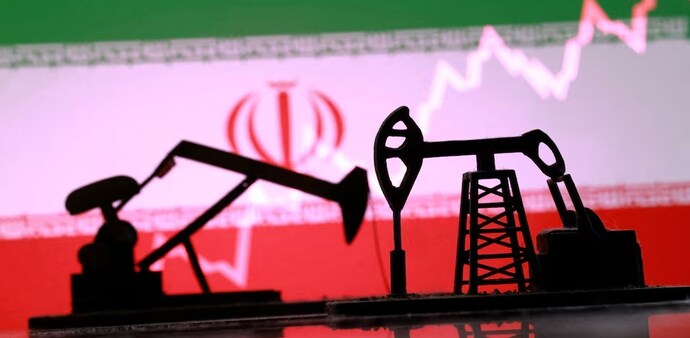
Iran has earned hundreds of millions of dollars in additional income from oil sales since the start of the war, as higher prices and steady exports boosted revenues even amid ongoing military strikes, Bloomberg reported on Thursday.
Must Read: ‘Global economy could collapse by early May’: Analyst issues stark warning over oil crisis
The gains have come as Iran remains one of the few major exporters able to continue using the Strait of Hormuz, while shipments from other Gulf producers have been effectively disrupted.
According to the report, Iran's flagship crude is now trading at its narrowest discount to Brent in more than 10 months, while the global benchmark itself has surged above $100 a barrel since the conflict escalated.
Iran's exports have held close to prewar levels of about 1.6 million barrels a day this month. Tankers continue to load at Kharg Island and transit through Hormuz, with activity picking up in recent days.
Must Read: Why Bab el-Mandeb Strait is new Hormuz 2.0 after Iran's threat on 'new surprise fronts'
That contrasts with disruptions affecting other producers in the Gulf due to Tehran's effective closure of Hormuz.
The revenue impact has been significant. Based on estimates from Tankertrackers.com and pricing data for Iranian Light crude, Tehran is earning about $139 million a day from its main export grade so far in March, up from $115 million in February, the report said.
The price gap between Iranian crude and Brent has also narrowed. The discount has tightened to about $2.10 a barrel this week, compared with more than $10 before the war.
Even as US and Israeli strikes continue, Iran has been able to maintain its oil flows, preserving a key source of income. The country is also benefiting from a temporary waiver by the US.
Washington has temporarily eased sanctions on certain Iranian oil cargoes already at sea, a move aimed at limiting the war’s impact on global oil prices. "The Trump Administration is practically begging Iran to sell oil," Richard Nephew, senior research scholar at Columbia's Center on Global Energy Policy, told Bloomberg. "I would have thought that interdicting Iranian oil sales would have been a priority for the United States."
The higher oil revenues are expected to support Iran's economy as it deals with the cost of damage from airstrikes and the need to replenish military supplies following retaliatory actions across the region.
Iran has earned hundreds of millions of dollars in additional income from oil sales since the start of the war, as higher prices and steady exports boosted revenues even amid ongoing military strikes, Bloomberg reported on Thursday.
Must Read: ‘Global economy could collapse by early May’: Analyst issues stark warning over oil crisis
The gains have come as Iran remains one of the few major exporters able to continue using the Strait of Hormuz, while shipments from other Gulf producers have been effectively disrupted.
According to the report, Iran's flagship crude is now trading at its narrowest discount to Brent in more than 10 months, while the global benchmark itself has surged above $100 a barrel since the conflict escalated.
Iran's exports have held close to prewar levels of about 1.6 million barrels a day this month. Tankers continue to load at Kharg Island and transit through Hormuz, with activity picking up in recent days.
Must Read: Why Bab el-Mandeb Strait is new Hormuz 2.0 after Iran's threat on 'new surprise fronts'
That contrasts with disruptions affecting other producers in the Gulf due to Tehran's effective closure of Hormuz.
The revenue impact has been significant. Based on estimates from Tankertrackers.com and pricing data for Iranian Light crude, Tehran is earning about $139 million a day from its main export grade so far in March, up from $115 million in February, the report said.
The price gap between Iranian crude and Brent has also narrowed. The discount has tightened to about $2.10 a barrel this week, compared with more than $10 before the war.
Even as US and Israeli strikes continue, Iran has been able to maintain its oil flows, preserving a key source of income. The country is also benefiting from a temporary waiver by the US.
Washington has temporarily eased sanctions on certain Iranian oil cargoes already at sea, a move aimed at limiting the war’s impact on global oil prices. "The Trump Administration is practically begging Iran to sell oil," Richard Nephew, senior research scholar at Columbia's Center on Global Energy Policy, told Bloomberg. "I would have thought that interdicting Iranian oil sales would have been a priority for the United States."
The higher oil revenues are expected to support Iran's economy as it deals with the cost of damage from airstrikes and the need to replenish military supplies following retaliatory actions across the region.