


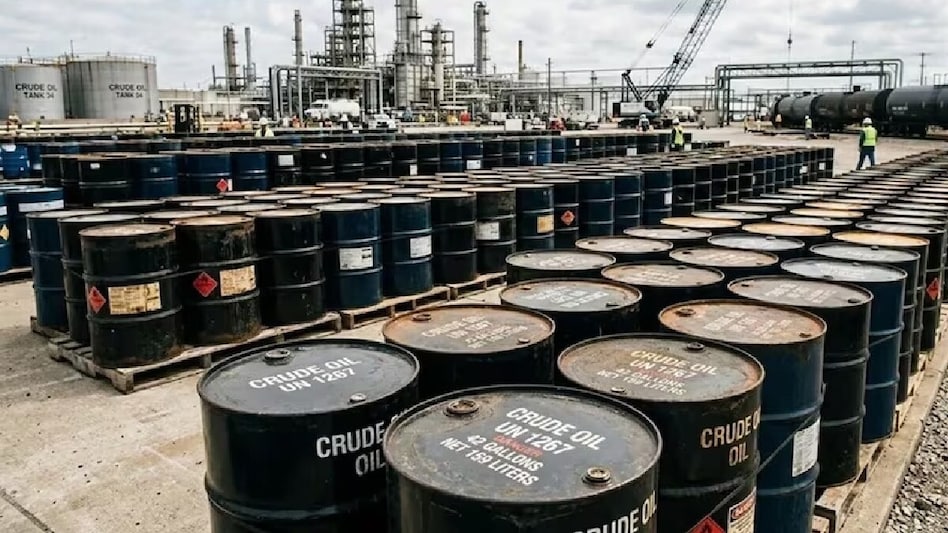
 He noted that oil prices in Asia have already exceeded $173 per barrel, reflecting heightened fears of supply disruptions linked to potential escalation involving Iran.
 Energy economist Anas Alhajji has issued a stark warning about the global economic outlook, saying the ongoing geopolitical tensions in the Middle East could push the world economy toward collapse if the conflict does not end soon.
In a recent post on social media, Alhajji cautioned that the economic consequences of a prolonged war could become severe within weeks. “If this war doesn't end soon, the global economy would collapse by early May,” he wrote, highlighting the growing risks linked to disruptions in global energy markets.

 HDFC Bank shares in focus: MD, CFO, Group Head fined in MSRDC case; warning letters issued
 'AI is a profound civilisational shift': N Chandrasekaran says software companies won't be left behind
 Parliament set for first major debate of Monsoon Session on Anti-paper leak bill; Here's what the bill proposes
 'Create jobs, do not replace them': Satya Nadella calls for community-first AI growth
 ITR filing last date July 31: Will the deadline be extended? Here’s what we know
 DCB Bank Management | Q1 Earnings, Loan Growth, Margins & Asset Quality Explained
 Infosys Fined In France: 70-Hour Work-week Debate Returns After €175,000 Labour Penalty
 I.T. Sector Outlook: Is the Worst Over for Indian I.T. Stocks After Long Underperformance?
 France And Spain Wildfires Threaten Cap Ferret Mansions And Bordeaux Wine Country
 Maruti Suzuki Eyes 25-30% SUV Growth, Says CNG Demand Has Overtaken Diesel
 Suzlon Q1 results today: Key expectations, share price targets ahead of earnings
 Nifty weekly expiry today: Kotak suggests short strangle strategy; key levels to watch
 BEL share price targets: What Jefferies, UBS, Goldman Sachs, Nomura, Morgan Stanley say
 Nifty, Sensex, Nifty Bank outlook for today: GIFT Nifty down 53 pts; key levels to watchHDFC Bank shares in focus: MD, CFO, Group Head fined in MSRDC case; warning letters issued
 LPG, CNG, PNG prices today, July 28: Check latest rates in Delhi, Mumbai, Jaipur, other cities
 Brent crude lowest since July 20 as US, Iran pause attacks
 Why liquidity matters more than property prices in real estate investing; expert on successful investment hacksSuzlon Q1 results today: Key expectations, share price targets ahead of earningsNifty weekly expiry today: Kotak suggests short strangle strategy; key levels to watch










