
Is this Putin’s payback? Russia may be assisting Iran like Tehran did for Moscow in the early days of Ukraine war
Iran war: Brahma Chellaney said that Moscow would want to ‘prolong the hurt’ and force US to expend its munitions and assets towards West Asia, which might have otherwise gone towards Ukraine in its war against Russia.
- Mar 13, 2026,
- Updated Mar 13, 2026 4:23 PM IST
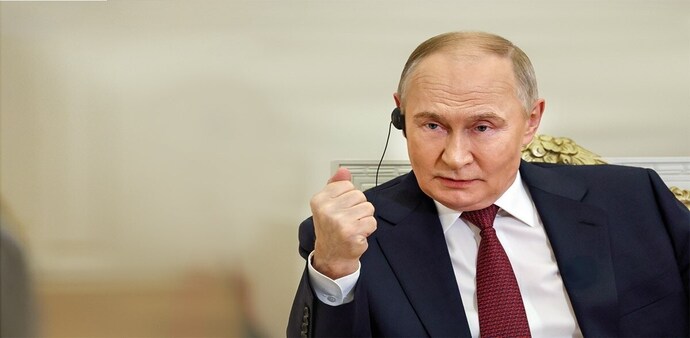
Iran war: Has Vladimir Putin found the perfect opportunity for payback for US’ support to Ukraine against Russia? Or perhaps he wants to help Iran for its help to Russia in the early days of the Ukraine war? It is unlikely that Putin is not assisting Iran in some way or the other, said geostrategist Brahma Chellaney.
“Putin’s Payback? Iran provided vital assistance to Russia in the early years of the Ukraine war, transferring more than 50,000 Shahed drones that became lethal additions to the Russian arsenal. It is thus highly unlikely that Russia today is not assisting Iran in some way to counter the Trump-Netanyahu war of aggression,” said Chellaney.
The geopolitics expert said that Moscow would want to ‘prolong the hurt’ and force US to expend its munitions and assets towards West Asia, which might have otherwise gone towards Ukraine in its war against Russia.
Chellaney said the US has waged a high-stakes proxy war that used Ukraine to get Russia to bleed, by providing it with advanced weapon systems, real-time battlefield targeting data, and other intelligence. “Moscow may now feel tempted to repay some of that in kind,” said Chellaney.
Russia is likely to help Iran quietly rather than direct assistance like the US provided Ukraine with, by sharing dynamic reconnaissance data, and sharing signals intelligence. “No less important is the possibility of reverse mentorship: helping Iran apply lessons Russia has learned in Ukraine about overwhelming Western-supplied systems, such as Patriot and IRIS-T, through mass-drone saturation tactics. The Ukraine war has made Russia adept at coordinating drone swarms with ballistic-missile volleys, something Iran is still struggling to replicate,” he said.
Meanwhile, the US issued a 30-day waiver allowing countries to buy sanctioned Russian oil and petroleum products currently at sea. US Treasury Secretary Scott Bessent said the measure aims to steady global markets unsettled by the conflict in Iran and related disruptions to energy flows.
Kremlin spokesman Dmitry Peskov responded on Friday, stating that Russia views the US sanctions waiver as an attempt by Washington to stabilise global energy markets. He highlighted the shared interests between the two nations in this matter. "We see actions by the United States aimed at trying to stabilise energy markets. In this respect, our interests coincide," Peskov said.
This waiver is the second major rollback of Ukraine war-related US sanctions in just over a week. It follows US and Israeli strikes on Iran that disrupted shipping through the Strait of Hormuz.
Peskov noted the risk of escalation in the global energy crisis and stressed the importance of Russian oil volumes in stabilising the market.
Iran war: Has Vladimir Putin found the perfect opportunity for payback for US’ support to Ukraine against Russia? Or perhaps he wants to help Iran for its help to Russia in the early days of the Ukraine war? It is unlikely that Putin is not assisting Iran in some way or the other, said geostrategist Brahma Chellaney.
“Putin’s Payback? Iran provided vital assistance to Russia in the early years of the Ukraine war, transferring more than 50,000 Shahed drones that became lethal additions to the Russian arsenal. It is thus highly unlikely that Russia today is not assisting Iran in some way to counter the Trump-Netanyahu war of aggression,” said Chellaney.
The geopolitics expert said that Moscow would want to ‘prolong the hurt’ and force US to expend its munitions and assets towards West Asia, which might have otherwise gone towards Ukraine in its war against Russia.
Chellaney said the US has waged a high-stakes proxy war that used Ukraine to get Russia to bleed, by providing it with advanced weapon systems, real-time battlefield targeting data, and other intelligence. “Moscow may now feel tempted to repay some of that in kind,” said Chellaney.
Russia is likely to help Iran quietly rather than direct assistance like the US provided Ukraine with, by sharing dynamic reconnaissance data, and sharing signals intelligence. “No less important is the possibility of reverse mentorship: helping Iran apply lessons Russia has learned in Ukraine about overwhelming Western-supplied systems, such as Patriot and IRIS-T, through mass-drone saturation tactics. The Ukraine war has made Russia adept at coordinating drone swarms with ballistic-missile volleys, something Iran is still struggling to replicate,” he said.
Meanwhile, the US issued a 30-day waiver allowing countries to buy sanctioned Russian oil and petroleum products currently at sea. US Treasury Secretary Scott Bessent said the measure aims to steady global markets unsettled by the conflict in Iran and related disruptions to energy flows.
Kremlin spokesman Dmitry Peskov responded on Friday, stating that Russia views the US sanctions waiver as an attempt by Washington to stabilise global energy markets. He highlighted the shared interests between the two nations in this matter. "We see actions by the United States aimed at trying to stabilise energy markets. In this respect, our interests coincide," Peskov said.
This waiver is the second major rollback of Ukraine war-related US sanctions in just over a week. It follows US and Israeli strikes on Iran that disrupted shipping through the Strait of Hormuz.
Peskov noted the risk of escalation in the global energy crisis and stressed the importance of Russian oil volumes in stabilising the market.