
‘Largest missile strike in...’: Iran’s stark warning after US talks fail. Ceasefire in danger?
Iranian Foreign Minister Abbas Araghchi declined a face-to-face meeting with US negotiators, reaffirming Iran’s long-standing insistence on indirect engagement.
- Apr 25, 2026,
- Updated Apr 25, 2026 10:55 PM IST
A fragile diplomatic opening between Iran and the United States has abruptly narrowed, raising fresh concerns about whether an already tenuous ceasefire environment in West Asia can hold.
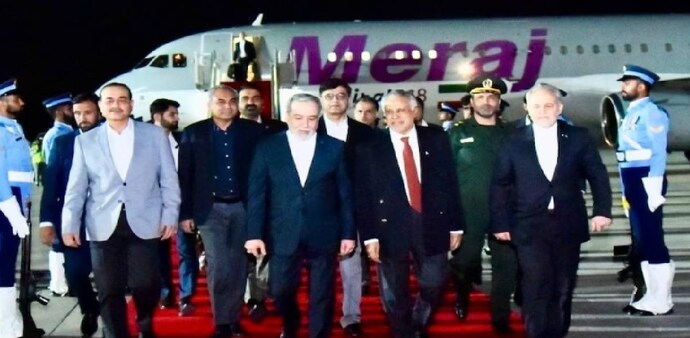
The immediate trigger: Tehran’s refusal to engage in direct talks during a high-stakes diplomatic window in Islamabad. Iranian Foreign Minister Abbas Araghchi declined a face-to-face meeting with US negotiators, reaffirming Iran’s long-standing insistence on indirect engagement. The move underscores a persistent trust deficit that continues to undermine efforts at de-escalation.
At the same time, rhetoric from Tehran has sharpened. Iran’s embassy in South Africa warned that the country has prepared for the “largest missile strike in history” targeting Israel and US bases in the region, to be launched if any attack is detected. While such statements often serve as deterrence signaling, the timing — amid stalled diplomacy — has amplified fears of rapid escalation.
On the American side, Donald Trump struck a dismissive tone, announcing he had cancelled a planned trip by US envoys to Pakistan for further talks. In a social media post, Trump cited “too much time wasted” and claimed internal confusion within Iran’s leadership, adding that Washington “has all the cards.” The remark further dims prospects of near-term engagement.
What happens to the ceasefire?
The breakdown in talks does not automatically end any existing ceasefire arrangements — formal or informal — but it significantly weakens the mechanisms that sustain them. In conflict-prone theatres like West Asia, ceasefires often rely less on written agreements and more on backchannel communication, deterrence balance, and mutual restraint.
With diplomacy stalling, three key risks emerge:
- Erosion of Communication Channels: Indirect talks have served as a pressure valve, allowing both sides to signal intent and avoid miscalculation. Without even that limited engagement, the risk of misreading military movements or rhetoric increases sharply.
- Escalation by Proxy: Iran and the US have historically avoided direct confrontation, instead operating through regional proxies. A diplomatic freeze could embolden allied groups, raising the likelihood of localized flare-ups that spiral into broader conflict.
- Deterrence Turning Volatile: Iran’s warning of a massive retaliatory strike signals a shift toward overt deterrence messaging. While intended to prevent attacks, such high-stakes signaling can also lock both sides into rigid positions, making de-escalation politically harder.
Is there still a path back?
Despite the hardening positions, the door to diplomacy is not entirely closed. Iran’s insistence on indirect talks suggests it has not abandoned negotiations altogether, while Washington’s past willingness to engage indicates flexibility — at least in principle.
However, the tone has clearly shifted. Public posturing, mutual distrust, and competing expectations are now dominating the narrative, leaving little room for quiet compromise.
A fragile diplomatic opening between Iran and the United States has abruptly narrowed, raising fresh concerns about whether an already tenuous ceasefire environment in West Asia can hold.
The immediate trigger: Tehran’s refusal to engage in direct talks during a high-stakes diplomatic window in Islamabad. Iranian Foreign Minister Abbas Araghchi declined a face-to-face meeting with US negotiators, reaffirming Iran’s long-standing insistence on indirect engagement. The move underscores a persistent trust deficit that continues to undermine efforts at de-escalation.
At the same time, rhetoric from Tehran has sharpened. Iran’s embassy in South Africa warned that the country has prepared for the “largest missile strike in history” targeting Israel and US bases in the region, to be launched if any attack is detected. While such statements often serve as deterrence signaling, the timing — amid stalled diplomacy — has amplified fears of rapid escalation.
On the American side, Donald Trump struck a dismissive tone, announcing he had cancelled a planned trip by US envoys to Pakistan for further talks. In a social media post, Trump cited “too much time wasted” and claimed internal confusion within Iran’s leadership, adding that Washington “has all the cards.” The remark further dims prospects of near-term engagement.
What happens to the ceasefire?
The breakdown in talks does not automatically end any existing ceasefire arrangements — formal or informal — but it significantly weakens the mechanisms that sustain them. In conflict-prone theatres like West Asia, ceasefires often rely less on written agreements and more on backchannel communication, deterrence balance, and mutual restraint.
With diplomacy stalling, three key risks emerge:
- Erosion of Communication Channels: Indirect talks have served as a pressure valve, allowing both sides to signal intent and avoid miscalculation. Without even that limited engagement, the risk of misreading military movements or rhetoric increases sharply.
- Escalation by Proxy: Iran and the US have historically avoided direct confrontation, instead operating through regional proxies. A diplomatic freeze could embolden allied groups, raising the likelihood of localized flare-ups that spiral into broader conflict.
- Deterrence Turning Volatile: Iran’s warning of a massive retaliatory strike signals a shift toward overt deterrence messaging. While intended to prevent attacks, such high-stakes signaling can also lock both sides into rigid positions, making de-escalation politically harder.
Is there still a path back?
Despite the hardening positions, the door to diplomacy is not entirely closed. Iran’s insistence on indirect talks suggests it has not abandoned negotiations altogether, while Washington’s past willingness to engage indicates flexibility — at least in principle.
However, the tone has clearly shifted. Public posturing, mutual distrust, and competing expectations are now dominating the narrative, leaving little room for quiet compromise.