
Oil price today: Brent crude surges to $120 per barrel, highest level since 2022
Oil price today: On Wednesday, Trump spoke with oil companies about how to mitigate the impact of a possible months-long US blockade of Iran's ports, a White House official said.
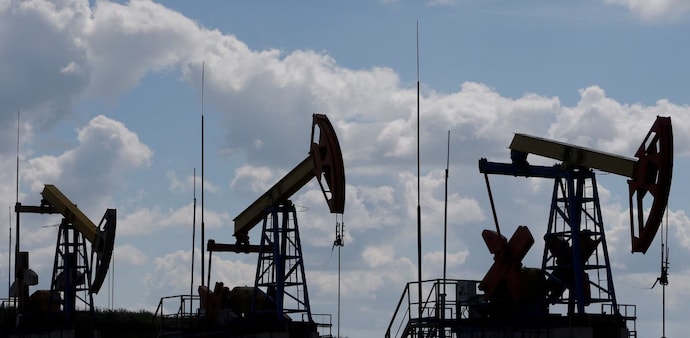
- Apr 30, 2026,
- Updated Apr 30, 2026 9:27 AM IST
Oil price today: Brent crude surged to its highest level since 2022 on Thursday as oil prices extended gains amid concerns over a prolonged US blockade on Iranian exports and a deadlock in talks over the Middle East conflict. Reports that US President Donald Trump rejected Iran's proposal to reopen the Strait of Hormuz until a broader nuclear deal is reached added to worries about tighter supply conditions.
Brent crude futures for June rose $1.91, or 1.62%, to $119.94 a barrel by 0057 GMT after gaining 6.1% in the previous session. The more active July contract was at $111.38, up 94 cents, or 0.85%, after rising 5.8%. US West Texas Intermediate futures for June rose 63 cents, or 0.59%, to $107.51 a barrel after climbing 7% on Wednesday. Brent's June contract was on track for a ninth straight day of gains, while WTI rose for the eighth time in nine sessions.
MUST READ | Crude at $115: How rising oil prices are pressuring India's corporate margins
On Wednesday, Trump spoke with oil companies about how to mitigate the impact of a possible months-long US blockade of Iran's ports, a White House official said, fuelling concerns over an extended disruption to oil supplies. Earlier reports said Trump had directed aides to prepare for an extended blockade of Iran and rejected Iran's proposal to reopen the Strait of Hormuz.
Trump also warned Iran in a Truth Social post, saying the country had "better get smart soon!" He added that Iran was struggling to finalise a non-nuclear deal. The post included an AI-generated image of Trump holding a gun with explosions in the background alongside the phrase "NO MORE MR. NICE GUY!" Market analyst Tony Sycamore said prospects for any near-term resolution to the Iran conflict or a reopening of the Strait of Hormuz remain dim.
DON'T MISS | UAE to exit OPEC on May 1: What does this mean for oil markets, prices and supply?
The meeting with oil companies followed a deadlock in efforts to resolve the conflict, which has killed thousands and caused what analysts described as the world's biggest energy disruption ever. Tehran has largely blocked all shipping apart from its own from the Gulf through the Strait of Hormuz since the US and Israel began air strikes on Iran on February 28, and the US began blockading Iranian ships this month. Analysts said restricted Iranian exports and limited storage capacity could worsen supply disruptions if the blockade continues.
On the supply side, the OPEC+ grouping of OPEC countries and allies is likely to agree on a small increase of around 188,000 barrels per day in oil output quotas on Sunday, sources told Reuters. Analysts said that may do little to ease near-term tightness. The meeting comes after the United Arab Emirates said it would withdraw from OPEC with effect from May 1, a move expected to weaken the group's ability to control prices.
Oil price today: Brent crude surged to its highest level since 2022 on Thursday as oil prices extended gains amid concerns over a prolonged US blockade on Iranian exports and a deadlock in talks over the Middle East conflict. Reports that US President Donald Trump rejected Iran's proposal to reopen the Strait of Hormuz until a broader nuclear deal is reached added to worries about tighter supply conditions.
Brent crude futures for June rose $1.91, or 1.62%, to $119.94 a barrel by 0057 GMT after gaining 6.1% in the previous session. The more active July contract was at $111.38, up 94 cents, or 0.85%, after rising 5.8%. US West Texas Intermediate futures for June rose 63 cents, or 0.59%, to $107.51 a barrel after climbing 7% on Wednesday. Brent's June contract was on track for a ninth straight day of gains, while WTI rose for the eighth time in nine sessions.
MUST READ | Crude at $115: How rising oil prices are pressuring India's corporate margins
On Wednesday, Trump spoke with oil companies about how to mitigate the impact of a possible months-long US blockade of Iran's ports, a White House official said, fuelling concerns over an extended disruption to oil supplies. Earlier reports said Trump had directed aides to prepare for an extended blockade of Iran and rejected Iran's proposal to reopen the Strait of Hormuz.
Trump also warned Iran in a Truth Social post, saying the country had "better get smart soon!" He added that Iran was struggling to finalise a non-nuclear deal. The post included an AI-generated image of Trump holding a gun with explosions in the background alongside the phrase "NO MORE MR. NICE GUY!" Market analyst Tony Sycamore said prospects for any near-term resolution to the Iran conflict or a reopening of the Strait of Hormuz remain dim.
DON'T MISS | UAE to exit OPEC on May 1: What does this mean for oil markets, prices and supply?
The meeting with oil companies followed a deadlock in efforts to resolve the conflict, which has killed thousands and caused what analysts described as the world's biggest energy disruption ever. Tehran has largely blocked all shipping apart from its own from the Gulf through the Strait of Hormuz since the US and Israel began air strikes on Iran on February 28, and the US began blockading Iranian ships this month. Analysts said restricted Iranian exports and limited storage capacity could worsen supply disruptions if the blockade continues.
On the supply side, the OPEC+ grouping of OPEC countries and allies is likely to agree on a small increase of around 188,000 barrels per day in oil output quotas on Sunday, sources told Reuters. Analysts said that may do little to ease near-term tightness. The meeting comes after the United Arab Emirates said it would withdraw from OPEC with effect from May 1, a move expected to weaken the group's ability to control prices.