
'Only then will your vessel be able...': Fake messages demand crypto from stranded ships near Hormuz, maritime firm warns
The route is critical for global energy supplies, with nearly one-fifth of the world’s oil and liquefied natural gas passing through it before the conflict.
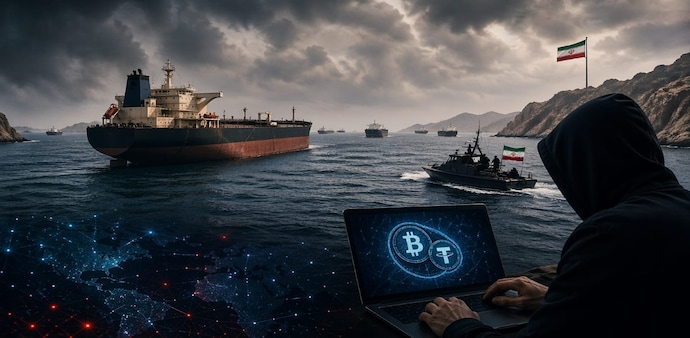
- Apr 21, 2026,
- Updated Apr 21, 2026 10:43 PM IST
Shipping companies with vessels stuck near the Strait of Hormuz have received fake messages offering safe passage in return for cryptocurrency, a Greek maritime risk firm MARISKS has said.
According to a report by Reuters, the firm warned that unknown people, pretending to be Iranian authorities, asked companies to pay in Bitcoin or Tether to allow their ships to pass.
The warning comes as tensions remain high in the region. The United States has kept its blockade on Iranian ports, while Iran has repeatedly imposed and lifted restrictions on the strait.
The route is critical for global energy supplies, with nearly one-fifth of the world’s oil and liquefied natural gas passing through it before the conflict.
MARISKS said, “These specific messages are a scam,” and clarified that they were not sent by Iranian officials. The firm added that hundreds of ships and about 20,000 seafarers are still stranded in the Gulf.
On April 18, Iran briefly opened the strait with checks in place.
Some ships tried to pass, but at least two vessels, including a tanker, said Iranian boats fired shots at them, forcing them to turn back.
MARISKS believes at least one ship that tried to leave on Saturday and came under fire may have been affected by the fraud.
There was no immediate comment from Tehran. Reuters could not verify which companies received the messages.
One such message said: "After providing the documents and assessing your eligibility by the Iranian Security Services, we will be able to determine the fee to be paid in cryptocurrency (BTC or USDT). Only then will your vessel be able to transit the strait unimpeded at the pre-agreed time," said the message cited by MARISKS.
Shipping companies with vessels stuck near the Strait of Hormuz have received fake messages offering safe passage in return for cryptocurrency, a Greek maritime risk firm MARISKS has said.
According to a report by Reuters, the firm warned that unknown people, pretending to be Iranian authorities, asked companies to pay in Bitcoin or Tether to allow their ships to pass.
The warning comes as tensions remain high in the region. The United States has kept its blockade on Iranian ports, while Iran has repeatedly imposed and lifted restrictions on the strait.
The route is critical for global energy supplies, with nearly one-fifth of the world’s oil and liquefied natural gas passing through it before the conflict.
MARISKS said, “These specific messages are a scam,” and clarified that they were not sent by Iranian officials. The firm added that hundreds of ships and about 20,000 seafarers are still stranded in the Gulf.
On April 18, Iran briefly opened the strait with checks in place.
Some ships tried to pass, but at least two vessels, including a tanker, said Iranian boats fired shots at them, forcing them to turn back.
MARISKS believes at least one ship that tried to leave on Saturday and came under fire may have been affected by the fraud.
There was no immediate comment from Tehran. Reuters could not verify which companies received the messages.
One such message said: "After providing the documents and assessing your eligibility by the Iranian Security Services, we will be able to determine the fee to be paid in cryptocurrency (BTC or USDT). Only then will your vessel be able to transit the strait unimpeded at the pre-agreed time," said the message cited by MARISKS.