
‘Project Freedom’ to rescue ships in Hormuz paused; Trump cites US-Iran deal progress
US-Iran war: Marco Rubio later told reporters that the US had achieved its military objectives since launching the campaign on February 28 alongside Israel, and declared that Operation Epic Fury has concluded.
- May 6, 2026,
- Updated May 6, 2026 8:11 AM IST
US-Iran war: US President Donald Trump announced on Tuesday that the operation to escort ships through the Strait of Hormuz would be briefly paused, citing "great progress" towards a comprehensive agreement with Iran. There was no immediate response from Tehran, and US crude oil futures fell below $100 a barrel shortly after the announcement.
Trump stated on social media that while the blockade remains fully in effect. "We have mutually agreed that, while the Blockade will remain in full force and effect, Project Freedom...will be paused for a short period of time to see whether or not the Agreement can be finalized and signed," he said. US Secretary of State Marco Rubio and other officials had earlier emphasised that Iran must not control traffic through the strait.
Iran had effectively sealed the strait by threatening to deploy mines, drones, missiles, and fast-attack craft. The US responded with a blockade of Iranian ports and escorted commercial vessels. On Monday, the US military reported destroying several Iranian small boats, cruise missiles, and drones.
Rubio later told reporters that the US had achieved its military objectives since launching the campaign on February 28 alongside Israel, and declared that Operation Epic Fury has concluded. One of Trump's main goals was to prevent Iran from developing nuclear weapons, which Iran denies seeking. However, Iran has not surrendered over 900 pounds of highly enriched uranium. Meanwhile, Britain's Maritime Trade Operations reported a cargo vessel was hit by a projectile in the strait, with no further details available.
US Defence Secretary Pete Hegseth said the US had secured a passage through the waterway and that hundreds of commercial ships were waiting to pass. He added that the four-week truce with Iran was still holding but would be closely monitored. General Dan Caine, chairman of the US Joint Chiefs of Staff, said Iranian attacks on US forces remained below the threshold for major combat operations. When asked about what Iran would need to do to break the ceasefire, Trump said, "They know what not to do."
Shortly after, the UAE's defence ministry reported missile and drone attacks from Iran, which Iran's military command denied. The UAE called the attacks a serious escalation and a direct threat to its security, reserving the right to respond. Iran's foreign ministry rejected these claims, stating its actions were defensive against American aggression.
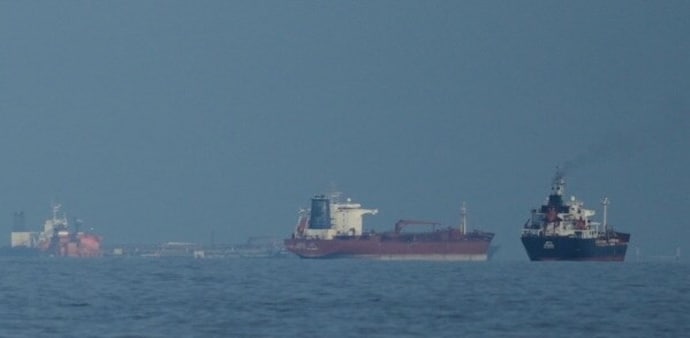
The US military said two US merchant ships passed through the strait on Monday, though timing was not specified. Maersk confirmed the US-flagged Alliance Fairfax exited the Gulf under US military escort. Iran denied any crossings had occurred. Rubio also said 10 civilian sailors were killed in the conflict and that crews on stranded vessels were "starving" and "isolated."
Trump stated the US-Israeli attacks targeted imminent threats from Iran, including its nuclear and missile programmes and support for Hamas and Hezbollah. Iran called the attacks a violation of its sovereignty and asserted its right to peaceful nuclear technology under the Nuclear Non-Proliferation Treaty.
Diplomatic efforts have yet to yield results. US and Iranian officials held one round of face-to-face talks, but further meetings have not been arranged. Iranian Foreign Minister Abbas Araqchi said peace talks continue with Pakistan's mediation. Iranian media reported Araqchi arrived in Beijing for talks with his Chinese counterpart on bilateral and regional issues. Trump is also scheduled to visit China this month. With the escort operation paused but the blockade maintained, tensions over the strait, the conflict, and efforts for an agreement remain in focus.
US-Iran war: US President Donald Trump announced on Tuesday that the operation to escort ships through the Strait of Hormuz would be briefly paused, citing "great progress" towards a comprehensive agreement with Iran. There was no immediate response from Tehran, and US crude oil futures fell below $100 a barrel shortly after the announcement.
Trump stated on social media that while the blockade remains fully in effect. "We have mutually agreed that, while the Blockade will remain in full force and effect, Project Freedom...will be paused for a short period of time to see whether or not the Agreement can be finalized and signed," he said. US Secretary of State Marco Rubio and other officials had earlier emphasised that Iran must not control traffic through the strait.
Iran had effectively sealed the strait by threatening to deploy mines, drones, missiles, and fast-attack craft. The US responded with a blockade of Iranian ports and escorted commercial vessels. On Monday, the US military reported destroying several Iranian small boats, cruise missiles, and drones.
Rubio later told reporters that the US had achieved its military objectives since launching the campaign on February 28 alongside Israel, and declared that Operation Epic Fury has concluded. One of Trump's main goals was to prevent Iran from developing nuclear weapons, which Iran denies seeking. However, Iran has not surrendered over 900 pounds of highly enriched uranium. Meanwhile, Britain's Maritime Trade Operations reported a cargo vessel was hit by a projectile in the strait, with no further details available.
US Defence Secretary Pete Hegseth said the US had secured a passage through the waterway and that hundreds of commercial ships were waiting to pass. He added that the four-week truce with Iran was still holding but would be closely monitored. General Dan Caine, chairman of the US Joint Chiefs of Staff, said Iranian attacks on US forces remained below the threshold for major combat operations. When asked about what Iran would need to do to break the ceasefire, Trump said, "They know what not to do."
Shortly after, the UAE's defence ministry reported missile and drone attacks from Iran, which Iran's military command denied. The UAE called the attacks a serious escalation and a direct threat to its security, reserving the right to respond. Iran's foreign ministry rejected these claims, stating its actions were defensive against American aggression.
The US military said two US merchant ships passed through the strait on Monday, though timing was not specified. Maersk confirmed the US-flagged Alliance Fairfax exited the Gulf under US military escort. Iran denied any crossings had occurred. Rubio also said 10 civilian sailors were killed in the conflict and that crews on stranded vessels were "starving" and "isolated."
Trump stated the US-Israeli attacks targeted imminent threats from Iran, including its nuclear and missile programmes and support for Hamas and Hezbollah. Iran called the attacks a violation of its sovereignty and asserted its right to peaceful nuclear technology under the Nuclear Non-Proliferation Treaty.
Diplomatic efforts have yet to yield results. US and Iranian officials held one round of face-to-face talks, but further meetings have not been arranged. Iranian Foreign Minister Abbas Araqchi said peace talks continue with Pakistan's mediation. Iranian media reported Araqchi arrived in Beijing for talks with his Chinese counterpart on bilateral and regional issues. Trump is also scheduled to visit China this month. With the escort operation paused but the blockade maintained, tensions over the strait, the conflict, and efforts for an agreement remain in focus.