


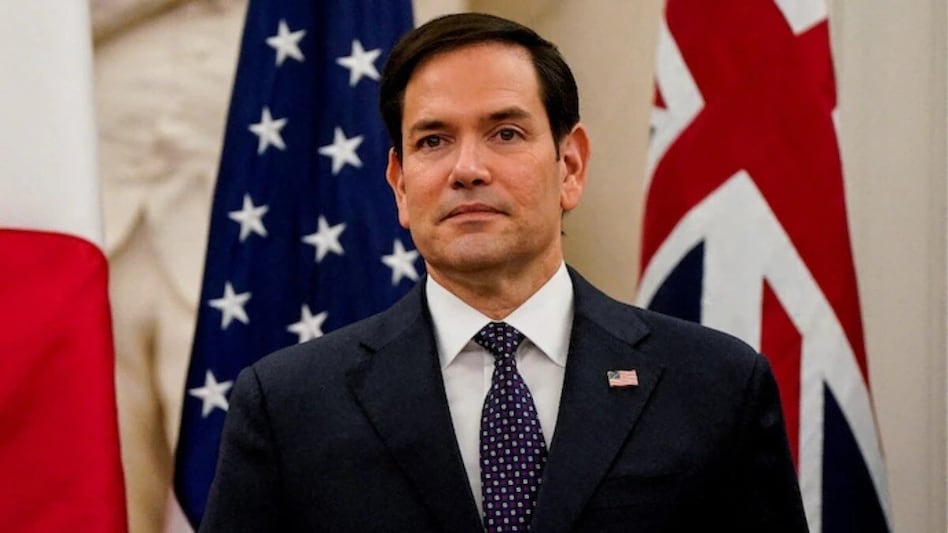
 Marco Rubio says Epic Fury concluded, Trump pauses Project Freedom hours later to chase Iran deal
Sixty-six days after the United States and Israel began bombing Iran, Secretary of State Marco Rubio declared the offensive campaign over, and then, within hours, President Trump paused the follow-on naval mission to leave room for a peace deal. The conflict, however, showed no sign of stopping.
"The operation is over. Epic Fury, as the president notified Congress, we're done with that stage of it. We're now on to this Project Freedom," Rubio told reporters in the White House briefing room. Hours later, he went further: "Operation Epic Fury is concluded. We achieved the objectives of that operation."

 Sensex volatility spikes during CAS on F&O expiry day; here's what happened
 Nifty IT surges 3%: TCS, Infosys, LTM, HCLTech shares climb after Nvidia's strong results
 'Nothing’s Too Far': Tata Motors unifies all passenger vehicles under new TATA.CARS identity
 Big victory for Anthropic: US court strikes down Pentagon blacklist over 'illegal retaliation'
 179-year wait: Green Card backlog traps nearly 1 million Indians, making up 79% of total queue
 EV Insurance Explained: Battery Damage, Repairs & Insurance Coverage | Personal Finance
 Radhika Gupta On The Money Gap: Why Women Must Manage What They Earn
 IDV Explained: How It Impacts Your Motor Insurance Premium & Claim
 Nepal Flood Crisis: Massive Floods Leave Trail Of Destruction Across Rasuwa, Nuwakot And Chitwan
 Oseltamivir Shortage Explained: Why H1N1 Cases Are Driving Demand & Prices Are Varying Sharply
 Sensex volatility spikes during CAS on F&O expiry day; here's what happened
 Just Dial share price surged 10% today; here's why Nifty IT surges 3%: TCS, Infosys, LTM, HCLTech shares climb after Nvidia's strong results
 Ather Energy shares rise 7% after Rs 1,758 crore block deals; here's why
 Multibagger listing: Tempsens Instruments shares rally over 111% on debutRadhika Gupta On The Money Gap: Why Women Must Manage What They EarnEV Insurance Explained: Battery Damage, Repairs & Insurance Coverage | Personal Finance
 TVS Motor appoints Peyman Kargar as CEO to drive next phase of global expansion179-year wait: Green Card backlog traps nearly 1 million Indians, making up 79% of total queue
 Meet Raul John Aju, the 16-year-old Kerala teen who pays his father ₹2 lakh a month to work at his AI startup












