
‘RETURNS’: Former Army officer reminds US what it gets from billions sent to Israel
Under current agreements, all Foreign Military Financing provided to Israel must be spent entirely within the United States by 2028. No other major recipient of American military assistance operates under a similar arrangement, he pointed out.
- Jun 19, 2026,
- Updated Jun 21, 2026 9:50 PM IST
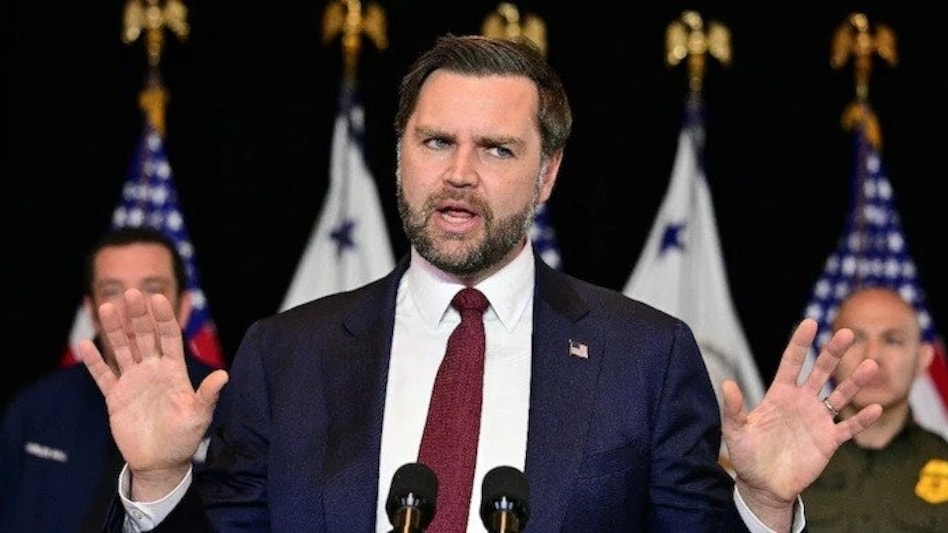
A sharp warning from US Vice President JD Vance has ignited a fierce criticism over American military assistance to Israel, drawing a forceful counterargument from a leading US military analyst who contends that Washington receives far more than it gives.
The friction began when Vance publicly reminded Israeli critics attacking a US-brokered deal with Iran that American taxpayers heavily subsidise Israel's defense. In response, John W Spencer, a retired US Army officer and prominent urban warfare expert, dismantled the perception of aid as a one-way financial transfer.
MUST READ | There’s a lesson there but I haven’t learnt it: Trump on the limits to his power amid Iran deal
Spencer argues that the partnership is a highly lucrative, long-term strategic investment delivering critical intelligence, technological breakthroughs, and regional security benefits that directly safeguard American interests.
'RETURNS' on American investment
To detail exactly how Washington benefits, Spencer utilized the acronym "RETURNS" to break down the strategic, economic, and military yields of the alliance:
- Research, Innovation, and Battlefield Testing: Spencer views Israel as an active laboratory for military innovation. Operating under constant security readiness, Israeli forces test new technologies and operational concepts under real combat conditions. This provides the US military with invaluable, real-world data that would be too costly or impossible to replicate through simulations alone.
- Economic Benefits for the US: Billions in military assistance ultimately loop back into the American economy. Under current agreements, all Foreign Military Financing provided to Israel must be spent entirely within the United States by 2028. This directly supports US defense contractors, factories, and supply chains, with Israel acting as a major customer for F-35 fighter jets, radar systems, and precision-guided munitions.
- Access to Combat-Proven Technology: The alliance grants the US military access to cutting-edge defense systems. Spencer highlighted the Israeli-developed Trophy Active Protection System, now integrated into US Army Abrams tanks, alongside co-developed missile defense programs like the Iron Dome, David’s Sling, and Arrow.
- Understanding Modern Warfare: Israel's active campaigns offer immediate insights into contemporary combat, including drone operations, tunnel warfare, cyber threats, and urban battles. Spencer argues these lessons prepare American forces for future conflicts without requiring US troops to learn them through battlefield losses.
- Regional Stability and Deterrence: A heavily armed Israel acts as a powerful regional anchor that deters shared adversaries, specifically Iran and its proxy networks. Spencer notes this self-sufficiency maintains a favorable balance of power and reduces the operational burden on US forces in the Middle East.
- Intelligence Cooperation: For decades, Israeli intelligence agencies have shared pivotal data regarding global terrorism, Iranian military movements, and weapons proliferation. This deep cooperation directly protects American personnel and interests worldwide.
- Strategic Freedom to Focus on China: By anchoring the Middle East, Israel allows Washington the diplomatic and military bandwidth to pivot its resources toward long-term competition with China in the Indo-Pacific.
Vance’s warning to Israeli critics
The debate underscores growing political friction. While defending a US-brokered agreement aimed at ending the recent conflict with Iran, Vice President Vance openly criticised Israeli officials who had lambasted the deal, reminding them that President Donald Trump remains Israel's strongest global ally.
"My message to them would be twofold. No 1: Donald J Trump is the only head of state in the entire world who is sympathetic to the nation of Israel at this moment in time," Vance said.
DON'T MISS | Donald Trump made the deal with Iran ‘out of desperation’, says Mojtaba Khamenei
Vance further emphasised the dependency of Israel's defense grid on Washington, pointing out that two-thirds of the defensive weapons protecting Israel had been "built by American hands and paid for by American tax dollars."
The US currently provides Israel with approximately $4 billion in military assistance annually, with negotiations currently underway for a new aid package. While critics continue to question the scale of this funding, Spencer maintains that the strategic returns generated by the alliance far exceed its financial cost.
A sharp warning from US Vice President JD Vance has ignited a fierce criticism over American military assistance to Israel, drawing a forceful counterargument from a leading US military analyst who contends that Washington receives far more than it gives.
The friction began when Vance publicly reminded Israeli critics attacking a US-brokered deal with Iran that American taxpayers heavily subsidise Israel's defense. In response, John W Spencer, a retired US Army officer and prominent urban warfare expert, dismantled the perception of aid as a one-way financial transfer.
MUST READ | There’s a lesson there but I haven’t learnt it: Trump on the limits to his power amid Iran deal
Spencer argues that the partnership is a highly lucrative, long-term strategic investment delivering critical intelligence, technological breakthroughs, and regional security benefits that directly safeguard American interests.
'RETURNS' on American investment
To detail exactly how Washington benefits, Spencer utilized the acronym "RETURNS" to break down the strategic, economic, and military yields of the alliance:
- Research, Innovation, and Battlefield Testing: Spencer views Israel as an active laboratory for military innovation. Operating under constant security readiness, Israeli forces test new technologies and operational concepts under real combat conditions. This provides the US military with invaluable, real-world data that would be too costly or impossible to replicate through simulations alone.
- Economic Benefits for the US: Billions in military assistance ultimately loop back into the American economy. Under current agreements, all Foreign Military Financing provided to Israel must be spent entirely within the United States by 2028. This directly supports US defense contractors, factories, and supply chains, with Israel acting as a major customer for F-35 fighter jets, radar systems, and precision-guided munitions.
- Access to Combat-Proven Technology: The alliance grants the US military access to cutting-edge defense systems. Spencer highlighted the Israeli-developed Trophy Active Protection System, now integrated into US Army Abrams tanks, alongside co-developed missile defense programs like the Iron Dome, David’s Sling, and Arrow.
- Understanding Modern Warfare: Israel's active campaigns offer immediate insights into contemporary combat, including drone operations, tunnel warfare, cyber threats, and urban battles. Spencer argues these lessons prepare American forces for future conflicts without requiring US troops to learn them through battlefield losses.
- Regional Stability and Deterrence: A heavily armed Israel acts as a powerful regional anchor that deters shared adversaries, specifically Iran and its proxy networks. Spencer notes this self-sufficiency maintains a favorable balance of power and reduces the operational burden on US forces in the Middle East.
- Intelligence Cooperation: For decades, Israeli intelligence agencies have shared pivotal data regarding global terrorism, Iranian military movements, and weapons proliferation. This deep cooperation directly protects American personnel and interests worldwide.
- Strategic Freedom to Focus on China: By anchoring the Middle East, Israel allows Washington the diplomatic and military bandwidth to pivot its resources toward long-term competition with China in the Indo-Pacific.
Vance’s warning to Israeli critics
The debate underscores growing political friction. While defending a US-brokered agreement aimed at ending the recent conflict with Iran, Vice President Vance openly criticised Israeli officials who had lambasted the deal, reminding them that President Donald Trump remains Israel's strongest global ally.
"My message to them would be twofold. No 1: Donald J Trump is the only head of state in the entire world who is sympathetic to the nation of Israel at this moment in time," Vance said.
DON'T MISS | Donald Trump made the deal with Iran ‘out of desperation’, says Mojtaba Khamenei
Vance further emphasised the dependency of Israel's defense grid on Washington, pointing out that two-thirds of the defensive weapons protecting Israel had been "built by American hands and paid for by American tax dollars."
The US currently provides Israel with approximately $4 billion in military assistance annually, with negotiations currently underway for a new aid package. While critics continue to question the scale of this funding, Spencer maintains that the strategic returns generated by the alliance far exceed its financial cost.