
Saudi stopped using public warning system days before Riyadh airport strike: Report
According to a report, the government has not explained why its national early warning system went silent despite escalating attacks.
- Oct 13, 2026,
- Updated Oct 13, 2026 9:53 AM IST
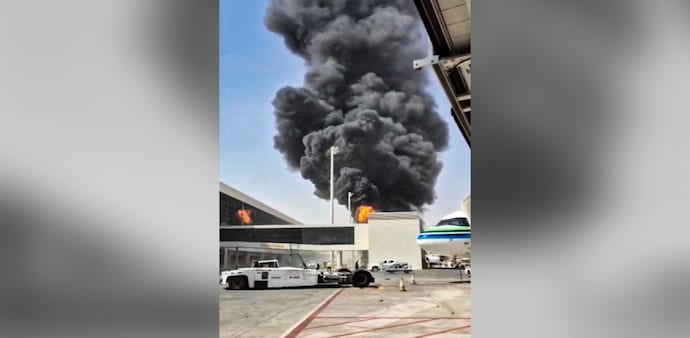
Riyadh airport strike: Saudi Arabia reportedly stopped issuing public warnings of imminent military attacks days before a series of strikes on Riyadh airport killed at least 18 people and wounded more than 300. This has raised questions about the kingdom’s ability to protect residents and visitors amid its conflict with Yemen’s Iran-aligned Houthis.
According to a report in Reuters, the government has not explained why its national early warning system went silent despite escalating attacks. The last public alert before last week’s strikes was issued on September 29 for the southern province of Najran, according to posts on the civil defence authority’s X account.
The absence of warnings has fuelled uncertainty over Saudi Arabia’s vulnerability to attacks, even as authorities seek to maintain a sense of normalcy and reassure investors and visitors, Western and Arab officials and analysts told the news agency.
Michael Ratney, a former US ambassador to Saudi Arabia, said Riyadh wanted to respond to the Houthis without causing societal disruption. However, the lack of alerts was creating the very nervousness authorities sought to avoid.
Two officials familiar with the matter said a Western government had questioned Saudi authorities about the suspension of alerts before the airport attacks. The response was that warnings were disruptive and citizens had complained about being woken at night. Saudi authorities did not respond to requests for comment on this assertion.
Saudi Arabia began issuing mobile phone and social media alerts in May. Other Gulf countries have continued warning residents during attacks, with Qatar sending mobile alerts and Bahrain and Kuwait sounding sirens urging people to seek shelter.
DON'T MISS | Hyderabad man injured in Saturday's Riyadh airport attack dies, two sons injured
On Monday, Saudi civil defence issued its first alerts since September 29, warning of potential threats in Riyadh and southern cities.
Meanwhile, Western embassies in Saudi Arabia have been issuing internal missile and drone alerts to their staff, drawing on intelligence from Western governments and information from Saudi authorities. However, people familiar with the alerts said embassies had received no internal warning before Saturday’s airport strike.
Saudi analyst Ali Shihabi said the kingdom’s size and the number of airports, pipelines and oil facilities it must protect made comprehensive air defence difficult.
Despite the attacks, Riyadh hosted an international energy conference on Monday, although several major oil executives withdrew. Energy Minister Prince Abdulaziz bin Salman said the gathering did not mean the risks had disappeared, while insisting the kingdom would continue pursuing its economic ambitions.
Riyadh airport strike: Saudi Arabia reportedly stopped issuing public warnings of imminent military attacks days before a series of strikes on Riyadh airport killed at least 18 people and wounded more than 300. This has raised questions about the kingdom’s ability to protect residents and visitors amid its conflict with Yemen’s Iran-aligned Houthis.
According to a report in Reuters, the government has not explained why its national early warning system went silent despite escalating attacks. The last public alert before last week’s strikes was issued on September 29 for the southern province of Najran, according to posts on the civil defence authority’s X account.
The absence of warnings has fuelled uncertainty over Saudi Arabia’s vulnerability to attacks, even as authorities seek to maintain a sense of normalcy and reassure investors and visitors, Western and Arab officials and analysts told the news agency.
Michael Ratney, a former US ambassador to Saudi Arabia, said Riyadh wanted to respond to the Houthis without causing societal disruption. However, the lack of alerts was creating the very nervousness authorities sought to avoid.
Two officials familiar with the matter said a Western government had questioned Saudi authorities about the suspension of alerts before the airport attacks. The response was that warnings were disruptive and citizens had complained about being woken at night. Saudi authorities did not respond to requests for comment on this assertion.
Saudi Arabia began issuing mobile phone and social media alerts in May. Other Gulf countries have continued warning residents during attacks, with Qatar sending mobile alerts and Bahrain and Kuwait sounding sirens urging people to seek shelter.
DON'T MISS | Hyderabad man injured in Saturday's Riyadh airport attack dies, two sons injured
On Monday, Saudi civil defence issued its first alerts since September 29, warning of potential threats in Riyadh and southern cities.
Meanwhile, Western embassies in Saudi Arabia have been issuing internal missile and drone alerts to their staff, drawing on intelligence from Western governments and information from Saudi authorities. However, people familiar with the alerts said embassies had received no internal warning before Saturday’s airport strike.
Saudi analyst Ali Shihabi said the kingdom’s size and the number of airports, pipelines and oil facilities it must protect made comprehensive air defence difficult.
Despite the attacks, Riyadh hosted an international energy conference on Monday, although several major oil executives withdrew. Energy Minister Prince Abdulaziz bin Salman said the gathering did not mean the risks had disappeared, while insisting the kingdom would continue pursuing its economic ambitions.