
‘Some countries that we’ve helped…’: Trump frustrated as allies reject call for warships at Hormuz
Iran war: Trump had demanded China, France, Japan, South Korea, Britain and other countries to send in their naval forces to help police the Strait of Hormuz.
- Mar 17, 2026,
- Updated Mar 17, 2026 8:20 AM IST
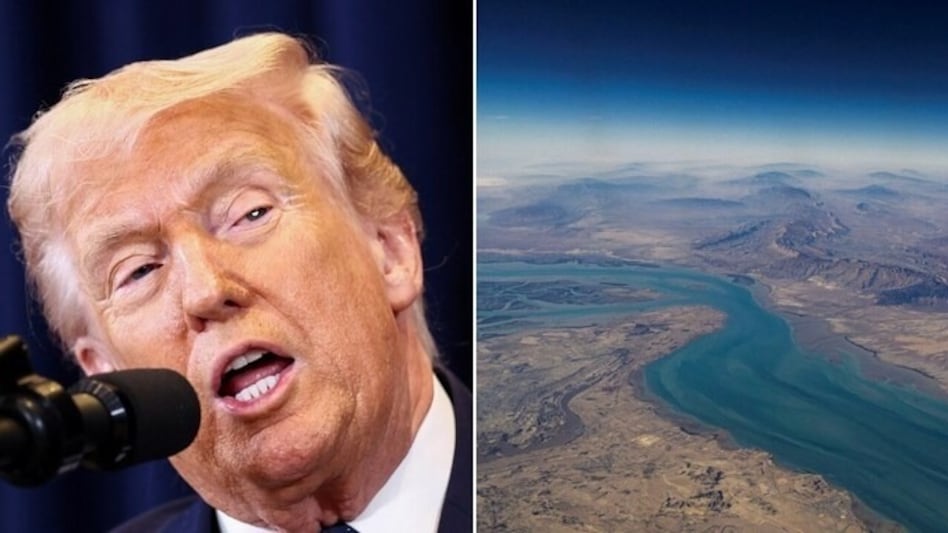
US President Donald Trump voiced his frustration with some long-standing allies over their reluctance to help Washington secure the Strait of Hormuz. This comes after the UK, Japan, Australia, Canada and Germany refused to send in their naval forces for the strait.
"Some are very enthusiastic about it, and some aren't," he said, speaking at a White House event in Washington. "Some are countries that we've helped for many, many years. We've protected them from horrible outside sources, and they weren't that enthusiastic. And the level of enthusiasm matters to me,” he said.
Trump had demanded China, France, Japan, South Korea, Britain and other countries to send in their naval forces to help police the Strait of Hormuz. “I’m demanding that these countries come in and protect their own territory because it is their territory. It's the place from which they get their energy,” he had said.
However, global leaders had refused his call. Canadian Prime Minister Mark Carney had said they were not participating in the “offensive operations” of the US and Israel, and never will. German Chancellor Friedrich Merz said they lacked the mandate from the United Nations, the European Union or NATO required under the Basic Law and that Washington had not consulted Germany before launching the war.
While the UK wants to get the Hormuz strait opened, they said they are not ready to send Royal Navy destroyers. Australia said they were well prepared to weather the economic crisis but won’t be sending any ships. Japan turned down the request too.
Meanwhile, the Chinese government mouthpiece Global Times published an opinion piece to state that crowding the Strait of Hormuz with warships was not the answer. “Is this really about ‘sharing responsibility’ – or is it about sharing the risk of a war that Washington started and can't finish?” it asked.
The US-Israel war on Iran entered its third week, and as of now there seems to be no end in sight. The Strait of Hormuz, responsible for 20 per cent of the world's oil and liquefied natural gas flow, remains largely closed off. This has pushed up energy prices globally and stoking fears of inflation.
US President Donald Trump voiced his frustration with some long-standing allies over their reluctance to help Washington secure the Strait of Hormuz. This comes after the UK, Japan, Australia, Canada and Germany refused to send in their naval forces for the strait.
"Some are very enthusiastic about it, and some aren't," he said, speaking at a White House event in Washington. "Some are countries that we've helped for many, many years. We've protected them from horrible outside sources, and they weren't that enthusiastic. And the level of enthusiasm matters to me,” he said.
Trump had demanded China, France, Japan, South Korea, Britain and other countries to send in their naval forces to help police the Strait of Hormuz. “I’m demanding that these countries come in and protect their own territory because it is their territory. It's the place from which they get their energy,” he had said.
However, global leaders had refused his call. Canadian Prime Minister Mark Carney had said they were not participating in the “offensive operations” of the US and Israel, and never will. German Chancellor Friedrich Merz said they lacked the mandate from the United Nations, the European Union or NATO required under the Basic Law and that Washington had not consulted Germany before launching the war.
While the UK wants to get the Hormuz strait opened, they said they are not ready to send Royal Navy destroyers. Australia said they were well prepared to weather the economic crisis but won’t be sending any ships. Japan turned down the request too.
Meanwhile, the Chinese government mouthpiece Global Times published an opinion piece to state that crowding the Strait of Hormuz with warships was not the answer. “Is this really about ‘sharing responsibility’ – or is it about sharing the risk of a war that Washington started and can't finish?” it asked.
The US-Israel war on Iran entered its third week, and as of now there seems to be no end in sight. The Strait of Hormuz, responsible for 20 per cent of the world's oil and liquefied natural gas flow, remains largely closed off. This has pushed up energy prices globally and stoking fears of inflation.