
Sri Lanka votes in crucial elections post 2022 economic meltdown. Here are the key candidates
Incumbent President Ranil Wickremesinghe (75) is at the forefront of the race looking for a re-election for 5 years. His contenders are Anura Kumara Dissanayake (56) of the National People’s Power and Sajith Premadasa (57) of the Samagi Jana Balawegaya.
- Sep 21, 2024,
- Updated Sep 21, 2024 2:04 PM IST
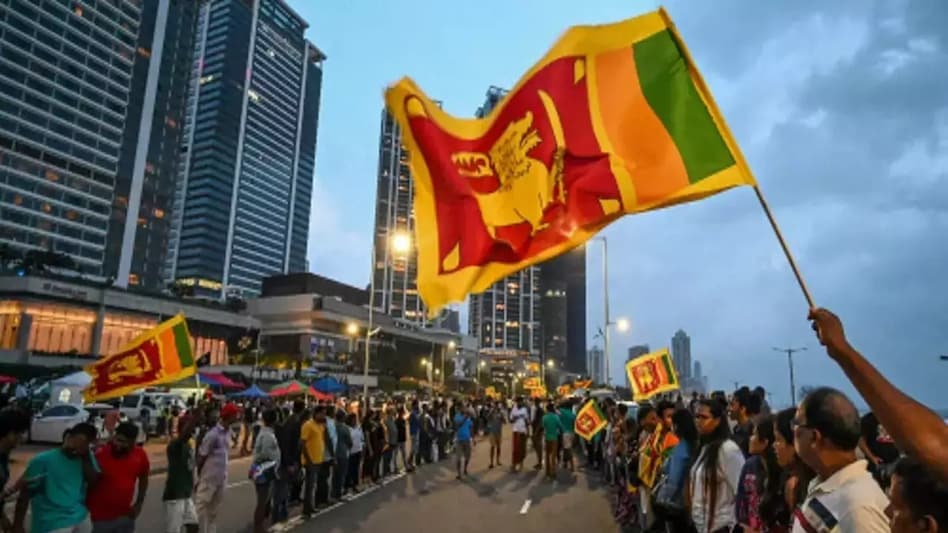
Sri Lankans are casting their votes today in the island nation’s first major electoral exercise since its worst economic meltdown in 2022. The election is a crucial test for President Ranil Wickremesinghe, who has claimed credit for putting the country on the road to recovery.
Of all the presidential elections since 1982 this time the election being keenly contested with 38 candidates in the fray. Some 17 million people are going to exercise their franchise at over 13,400 polling stations.
Voting started at 7 am and will continue till 4 pm. Results are expected on September 22. Over 200,000 officials have been deployed to conduct the election, which will be guarded by 63,000 police personnel.
President Wickremesinghe is seeking re-election as an independent candidate riding on the success of his efforts to pull the country out of the economic crisis, which experts hailed as one of the quickest recoveries in the world.
As island nation suffered an economic collapse in 2022 prompting a popular uprising against its then-president, Gotabaya Rajapaksa, who had to flee the country. Wickremesinghe was appointed as President by Parliament a week after Rajapaksa was chased out of power.
“It’s a turning point for Sri Lanka to get away from conventional politics which destroyed the country and the conventional economy which destroyed the country... and a new social system, and a political system,” Wickremesinghe said after casting his vote.
Wickremesinghe has been able to stabilise the rupee, rein in inflation to near zero from over 70 percent during the peak of the economic meltdown, turned economic growth to positive from contraction, and ensured sharp gain in government revenue after new taxes and an increase in value added tax (VAT).
Major contenders
Incumbent President Ranil Wickremesinghe (75) is at the forefront of the race looking for a re-election for 5 years. His contenders are Anura Kumara Dissanayake (56) of the National People’s Power (NPP) and Sajith Premadasa (57) of the Samagi Jana Balawegaya (SJB), who is also main Opposition leader.
Sri Lanka’s crisis has proven an opportunity for Dissanayake, who has seen a surge of support due to his pledge to change the island’s “corrupt” political culture.
The nation’s battered economy and its recovery have taken centre stage in the election agenda this time with all three front runners vowing to stick with the IMF bail-out reforms. Dissanayake and Premadasa want to tinker with the IMF programme to give more economic relief to the public.
If all candidates fail to secure more than 50 percent votes there will be a second preferential vote counting.
The minority Tamil community in Sri Lanka holds strong bonds with Tamil Nadu across the ocean. With Sinhalese candidates leading the charge, they feel “no hope” in the outcome of the presidential election.
The outcome of the elections are also being keenly watched in India as its main concern lies with the growing influence of China over the island nation. The two countries have been competing for a foothold in Sri Lanka due to its strategic location for trade and military operations.
The country's dependence on China has grown over the years, Sri Lanka has received $11.2 billion from China in the form of grants between 2006-2022 as bailouts and loans, according to Bloomberg.
A report by AFP showed Sri Lanka's poverty rate doubled to 25 percent between 2021 and 2022. The nation also has $46 billion of foreign debt, which is yet to be paid off.
Inflation, taxation and depreciation of currency has been one of the main issues. Availability of food, fuel, medicines are also a major poll factor after the roll back of several social welfare schemes under President Wickremesinghe.
(With inputs from PTI)
Sri Lankans are casting their votes today in the island nation’s first major electoral exercise since its worst economic meltdown in 2022. The election is a crucial test for President Ranil Wickremesinghe, who has claimed credit for putting the country on the road to recovery.
Of all the presidential elections since 1982 this time the election being keenly contested with 38 candidates in the fray. Some 17 million people are going to exercise their franchise at over 13,400 polling stations.
Voting started at 7 am and will continue till 4 pm. Results are expected on September 22. Over 200,000 officials have been deployed to conduct the election, which will be guarded by 63,000 police personnel.
President Wickremesinghe is seeking re-election as an independent candidate riding on the success of his efforts to pull the country out of the economic crisis, which experts hailed as one of the quickest recoveries in the world.
As island nation suffered an economic collapse in 2022 prompting a popular uprising against its then-president, Gotabaya Rajapaksa, who had to flee the country. Wickremesinghe was appointed as President by Parliament a week after Rajapaksa was chased out of power.
“It’s a turning point for Sri Lanka to get away from conventional politics which destroyed the country and the conventional economy which destroyed the country... and a new social system, and a political system,” Wickremesinghe said after casting his vote.
Wickremesinghe has been able to stabilise the rupee, rein in inflation to near zero from over 70 percent during the peak of the economic meltdown, turned economic growth to positive from contraction, and ensured sharp gain in government revenue after new taxes and an increase in value added tax (VAT).
Major contenders
Incumbent President Ranil Wickremesinghe (75) is at the forefront of the race looking for a re-election for 5 years. His contenders are Anura Kumara Dissanayake (56) of the National People’s Power (NPP) and Sajith Premadasa (57) of the Samagi Jana Balawegaya (SJB), who is also main Opposition leader.
Sri Lanka’s crisis has proven an opportunity for Dissanayake, who has seen a surge of support due to his pledge to change the island’s “corrupt” political culture.
The nation’s battered economy and its recovery have taken centre stage in the election agenda this time with all three front runners vowing to stick with the IMF bail-out reforms. Dissanayake and Premadasa want to tinker with the IMF programme to give more economic relief to the public.
If all candidates fail to secure more than 50 percent votes there will be a second preferential vote counting.
The minority Tamil community in Sri Lanka holds strong bonds with Tamil Nadu across the ocean. With Sinhalese candidates leading the charge, they feel “no hope” in the outcome of the presidential election.
The outcome of the elections are also being keenly watched in India as its main concern lies with the growing influence of China over the island nation. The two countries have been competing for a foothold in Sri Lanka due to its strategic location for trade and military operations.
The country's dependence on China has grown over the years, Sri Lanka has received $11.2 billion from China in the form of grants between 2006-2022 as bailouts and loans, according to Bloomberg.
A report by AFP showed Sri Lanka's poverty rate doubled to 25 percent between 2021 and 2022. The nation also has $46 billion of foreign debt, which is yet to be paid off.
Inflation, taxation and depreciation of currency has been one of the main issues. Availability of food, fuel, medicines are also a major poll factor after the roll back of several social welfare schemes under President Wickremesinghe.
(With inputs from PTI)