
Strait of Hormuz could become ‘redundant’ in the next five years: HSBC Group CEO
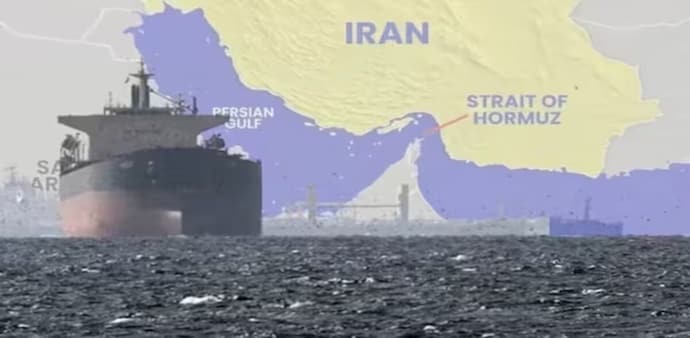
The Iran war has exposed the world’s reliance on the strait, which previously carried about a fifth of global oil and liquefied natural gas (LNG) trade.
- Oct 20, 2026,
- Updated Oct 20, 2026 3:24 PM IST
The Strait of Hormuz could become “redundant” within the next five years as Gulf nations invest in alternative energy pipelines and logistics routes to reduce their dependence on the strategic waterway, HSBC Group Chief Executive Georges Elhedery said on Tuesday.
"Of course, we do wish and hope to see a resolution to the conflict ... But Hormuz, probably in five years' time, may become redundant," he said.
The Iran war has exposed the world’s reliance on the strait, which previously carried about a fifth of global oil and liquefied natural gas (LNG) trade. Speaking at the HSBC Future Forum in Dubai, Elhedery said investments in pipelines connecting energy-producing regions to ports would help Gulf nations withstand the conflict’s economic fallout.
MUST READ | Global oil reserves under pressure as Hormuz crisis raises fears of another supply shock
The region could recover and continue growing, he said, though this would require substantial investment. HSBC said the Middle East, North Africa and Turkey have $872 billion in individual project packages within a broader $1.4 trillion pipeline of planned and unawarded infrastructure projects.
A recent HSBC survey of more than 1,600 business leaders and around 820 global institutional investors found that respondents continued to view the Gulf as an attractive investment hub.
However, the economic outlook has deteriorated. After 3.3% growth in 2025, the World Bank last week forecast a 1.3% contraction this year across the Middle East, North Africa and Pakistan region because of the war, followed by a strong but uneven rebound in 2027.
Meanwhile, Iran has maintained that reopening the Strait of Hormuz depends on meeting its conditions for ending the conflict.
Iranian Foreign Minister Abbas Araqchi said on Sunday that Tehran’s proposal to reopen the strait within seven days remained on the table. Iran submitted the proposal in mid-September after an interim ceasefire collapsed and has since received a US response that it is reviewing.
Iran’s conditions include lifting the US blockade on its ports and sanctions on its oil exports, as well as ending hostilities across regional fronts. Araqchi said the strait could reopen within six days if Washington accepted the conditions, with negotiations resuming the following day.
A key disagreement remains Washington’s insistence on addressing Iran’s nuclear programme from the outset. US Vice President JD Vance has said Iran must meaningfully reduce its uranium enrichment capacity.
Araqchi, speaking alongside Russian Foreign Minister Sergei Lavrov on Monday, also blamed the United States for insecurity in the strait and called for a regional security arrangement without foreign forces.