
'Strait of Hormuz is...': Iran opens crucial waterway for all shipping traffic during ceasefire
Separately, Iran’s deputy foreign minister said Tehran does not support a temporary ceasefire and is instead pushing for a comprehensive end to the conflict across the region.
- Apr 17, 2026,
- Updated Apr 17, 2026 7:03 PM IST
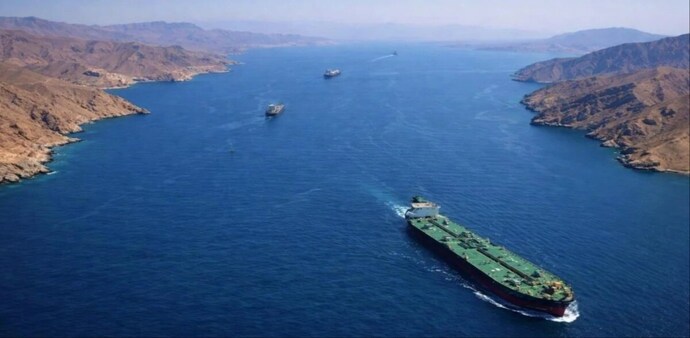
Iran’s foreign minister Abbas Araghchi said that commercial shipping through the Strait of Hormuz will remain fully open during the ceasefire period.
Making the announcement on April 17 in a post on X (formally twitter), Araghchi said, “In line with the ceasefire in Lebanon, the passage for all commercial vessels through Strait of Hormuz is declared completely open for the remaining period of ceasefire, on the coordinated route as already announced by Ports and Maritime Organisation of the Islamic Rep. of Iran.”
He added that vessels will transit via a coordinated route set by Iran’s Ports and Maritime Organisation.
Separately, Iran’s deputy foreign minister said Tehran does not support a temporary ceasefire and is instead pushing for a comprehensive end to the conflict across the region.
Following Iran’s announcement that the strait of Hormuz is open, Donald Trump has issued his response in an all caps post on his Truth Social app.
“IRAN HAS JUST ANNOUNCED THAT THE STRAIT OF IRAN IS FULLY OPEN AND READY FOR FULL PASSAGE. THANK YOU!” he wrote.
Following Abbas Araghchi’s announcement, oil prices tumbled sharply, dropping about 9% and extending earlier losses. According to a Reuters report, Brent crude futures fell by $8.46, or 8.5%, to $90.93 a barrel at 1300 GMT.
A 10-day ceasefire announced by Donald Trump and accepted by Lebanon and Israel has also raised hopes of extending a broader truce involving Iran, the United States and Israel.
Ending Israel’s conflict with Hezbollah was a central demand from Iranian negotiators during talks held in Islamabad last week.
While Israel is not at war with Lebanon directly, it has been engaged in conflict with the Iran-backed Hezbollah within Lebanese territory. The group said in a statement that “any ceasefire must be comprehensive across all Lebanese territory and must not allow the Israeli enemy any freedom of movement.”
Prime Minister Benjamin Netanyahu said earlier he agreed to the ceasefire “to advance” peace efforts with Lebanon, but added that Israeli troops would not withdraw.
Iran’s foreign minister Abbas Araghchi said that commercial shipping through the Strait of Hormuz will remain fully open during the ceasefire period.
Making the announcement on April 17 in a post on X (formally twitter), Araghchi said, “In line with the ceasefire in Lebanon, the passage for all commercial vessels through Strait of Hormuz is declared completely open for the remaining period of ceasefire, on the coordinated route as already announced by Ports and Maritime Organisation of the Islamic Rep. of Iran.”
He added that vessels will transit via a coordinated route set by Iran’s Ports and Maritime Organisation.
Separately, Iran’s deputy foreign minister said Tehran does not support a temporary ceasefire and is instead pushing for a comprehensive end to the conflict across the region.
Following Iran’s announcement that the strait of Hormuz is open, Donald Trump has issued his response in an all caps post on his Truth Social app.
“IRAN HAS JUST ANNOUNCED THAT THE STRAIT OF IRAN IS FULLY OPEN AND READY FOR FULL PASSAGE. THANK YOU!” he wrote.
Following Abbas Araghchi’s announcement, oil prices tumbled sharply, dropping about 9% and extending earlier losses. According to a Reuters report, Brent crude futures fell by $8.46, or 8.5%, to $90.93 a barrel at 1300 GMT.
A 10-day ceasefire announced by Donald Trump and accepted by Lebanon and Israel has also raised hopes of extending a broader truce involving Iran, the United States and Israel.
Ending Israel’s conflict with Hezbollah was a central demand from Iranian negotiators during talks held in Islamabad last week.
While Israel is not at war with Lebanon directly, it has been engaged in conflict with the Iran-backed Hezbollah within Lebanese territory. The group said in a statement that “any ceasefire must be comprehensive across all Lebanese territory and must not allow the Israeli enemy any freedom of movement.”
Prime Minister Benjamin Netanyahu said earlier he agreed to the ceasefire “to advance” peace efforts with Lebanon, but added that Israeli troops would not withdraw.