
Trump's shifting Hormuz deadlines: From 48 hours to Tuesday - what's next?
Trump's demands have oscillated, starting with a bold statement on March 22 that the strait would be opened within 48 hours.
- Apr 6, 2026,
- Updated Apr 6, 2026 9:14 PM IST
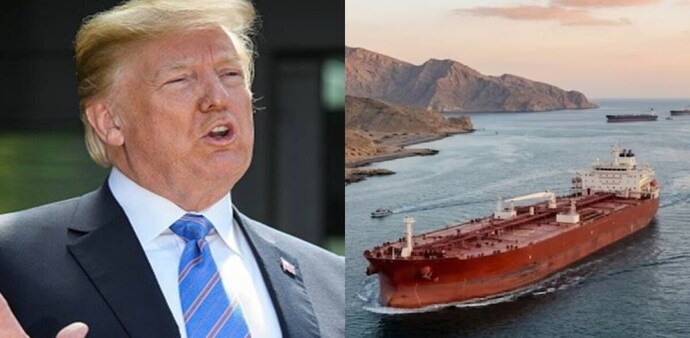
Since the war began and Iran restricted access to the Strait of Hormuz, US President Donald Trump has repeatedly set deadlines for the reopening of the critical Strait, an essential global shipping route for oil and gas.
Trump's demands have oscillated, starting with a bold statement on March 22 that the strait would be opened within 48 hours. A few days later, on March 26, he extended the deadline to "5 days", followed by another adjustment on March 27, when he pushed for its reopening within 10 days.
Must Watch: Trump’s Deadline Ends As U.S. Iran Tensions Surge Fears Of Massive Strikes And Wider War Ahead
The rhetoric didn't stop there. On April 4, Trump once again gave a tight 48-hour window for the reopening, followed by a more dramatic appeal on April 5: "Open the damn strait by Tuesday!" On April 7, Trump pushed for a definitive deadline: "Open Hormuz by Wednesday."
Each of these public statements reflects Trump's mounting frustration with Iran's defiance on Hormuz. Tehran, however, has made it clear it will not allow ships linked to the US, Israel, or their allies in the Gulf.
Must Read: ‘Will react in kind,’ says Iran in response to Trump’s threats to attack critical infra
On Sunday, Trump, in a post on Truth Social, warned Tehran: "Tuesday will be Power Plant Day, and Bridge Day, all wrapped up in one, in Iran. There will be nothing like it." In another cryptic post, he wrote: "Tuesday, 8:00 P.M. Eastern Time!"
This latest deadline expires at 5:30 AM (India time) on Wednesday.
About 20% of global oil flows through Hormuz, and Iran is using the blockade as leverage to extract maximum concessions from the US and Israel before agreeing to any ceasefire.
In a related development, Iran and the US received a draft proposal on Sunday calling for a 45-day ceasefire and the reopening of Hormuz, according to two Middle East officials who spoke to The Associated Press.
The proposal, put forward by Egyptian, Pakistani, and Turkish mediators, aims to provide enough time for talks to reach a permanent ceasefire. However, both Iran and the US have yet to respond to the proposal, which was sent to Iranian Foreign Minister Abbas Araghchi and U.S. West Asia envoy Steve Witkoff.
Since the war began and Iran restricted access to the Strait of Hormuz, US President Donald Trump has repeatedly set deadlines for the reopening of the critical Strait, an essential global shipping route for oil and gas.
Trump's demands have oscillated, starting with a bold statement on March 22 that the strait would be opened within 48 hours. A few days later, on March 26, he extended the deadline to "5 days", followed by another adjustment on March 27, when he pushed for its reopening within 10 days.
Must Watch: Trump’s Deadline Ends As U.S. Iran Tensions Surge Fears Of Massive Strikes And Wider War Ahead
The rhetoric didn't stop there. On April 4, Trump once again gave a tight 48-hour window for the reopening, followed by a more dramatic appeal on April 5: "Open the damn strait by Tuesday!" On April 7, Trump pushed for a definitive deadline: "Open Hormuz by Wednesday."
Each of these public statements reflects Trump's mounting frustration with Iran's defiance on Hormuz. Tehran, however, has made it clear it will not allow ships linked to the US, Israel, or their allies in the Gulf.
Must Read: ‘Will react in kind,’ says Iran in response to Trump’s threats to attack critical infra
On Sunday, Trump, in a post on Truth Social, warned Tehran: "Tuesday will be Power Plant Day, and Bridge Day, all wrapped up in one, in Iran. There will be nothing like it." In another cryptic post, he wrote: "Tuesday, 8:00 P.M. Eastern Time!"
This latest deadline expires at 5:30 AM (India time) on Wednesday.
About 20% of global oil flows through Hormuz, and Iran is using the blockade as leverage to extract maximum concessions from the US and Israel before agreeing to any ceasefire.
In a related development, Iran and the US received a draft proposal on Sunday calling for a 45-day ceasefire and the reopening of Hormuz, according to two Middle East officials who spoke to The Associated Press.
The proposal, put forward by Egyptian, Pakistani, and Turkish mediators, aims to provide enough time for talks to reach a permanent ceasefire. However, both Iran and the US have yet to respond to the proposal, which was sent to Iranian Foreign Minister Abbas Araghchi and U.S. West Asia envoy Steve Witkoff.